

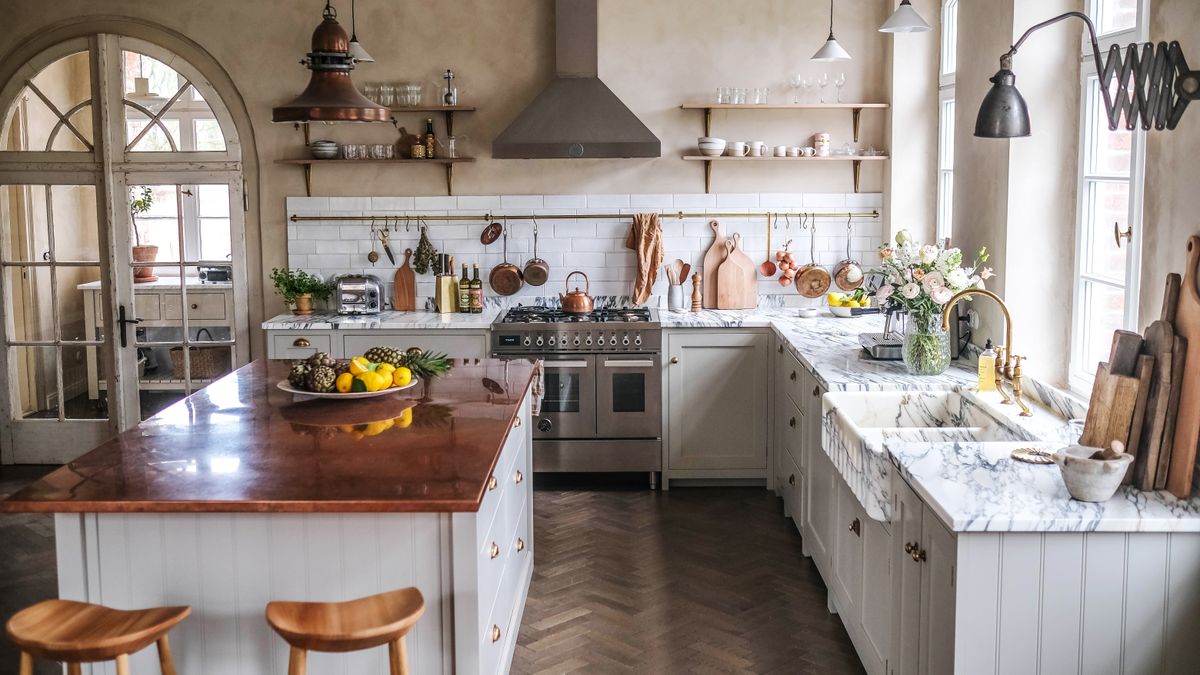
The kitchen is often considered the heart of the home—a place where families gather, meals are prepared, and memories are made. One of the most impactful design elements in any kitchen is the countertop, and the color of that countertop plays a crucial role in shaping the overall aesthetic and ambiance of the space. Choosing the right countertop color is not just about picking something that looks good; it’s about creating a harmonious balance with the other elements of the kitchen, from the cabinetry and flooring to the walls and appliances. In this post, we’ll explore the importance of color in countertop selection and offer guidance on how to choose the perfect hue for your kitchen.
1. Creating a Cohesive Look
When designing your kitchen, it’s essential to consider how the countertop color will interact with the other materials and features in the room. The color of your countertops should complement the color of your cabinets, flooring, and backsplash, as well as the general style of the kitchen. For example, a modern kitchen with sleek, minimalist cabinetry might benefit from a bold, dark countertop like black or charcoal, which can create a striking contrast and add sophistication. On the other hand, a more rustic or farmhouse-style kitchen may call for warmer tones, such as beige, cream, or light wood hues, which can evoke a cozy, inviting atmosphere.
A well-chosen countertop color will unify the elements of the kitchen and create a seamless flow between the various design features. For instance, if you have white cabinetry, a neutral countertop like light gray or white marble can provide a soft, clean aesthetic. Conversely, if your cabinetry is darker, such as a rich wood or navy, a lighter countertop can brighten the space and create a balanced look.
2. Influencing the Mood of the Space
Color is not only a visual element; it also has a psychological impact. The color of your kitchen countertops can influence the mood and feel of the entire space. For example, light colors like white, beige, or light gray can create a sense of openness and airiness, making the kitchen feel larger and more spacious. These colors are ideal for smaller kitchens or those that lack natural light, as they reflect light and help brighten up the room.
In contrast, darker colors such as black, navy, or charcoal can evoke a more intimate, cozy feeling. These colors are excellent for creating a sense of drama or sophistication and work well in larger kitchens or open-plan spaces where you may want to create defined zones. Dark countertops, especially in materials like granite or quartz, can provide an elegant and luxurious feel to your kitchen, making it a more inviting and stylish place to spend time.
Additionally, certain colors are known to have particular emotional effects. For instance, blue hues are often associated with calmness and tranquility, while warm tones like red or yellow can stimulate appetite and energy. When choosing a countertop color, consider how you want your kitchen to feel and how that will align with your personal preferences.
3. Practical Considerations
Beyond aesthetics, the color of your kitchen countertops can also have practical implications, particularly when it comes to maintenance. Lighter-colored countertops, such as white or light beige, may show stains, dirt, and scratches more easily than darker shades. If you have young children or pets, this may not be the best choice, as the surfaces may require more frequent cleaning and care. However, materials like quartz or granite are naturally stain-resistant, so lighter options can still work well with proper maintenance.
On the other hand, darker countertops are often more forgiving when it comes to hiding stains, fingerprints, and general wear. These colors are ideal for busy kitchens where messes are common, as they tend to keep their pristine appearance for longer. For example, deep gray, brown, or black countertops can mask spills or cooking splatters and help maintain the kitchen’s sleek look without requiring constant upkeep.
It’s also important to consider how the color of your countertops will age over time. Some colors may fade or show wear more quickly than others, depending on the material and finish. Lighter countertops might yellow with age, while darker countertops might show more scratches or scuff marks. Make sure you’re selecting a color that will stand the test of time, both in terms of maintenance and visual appeal.
4. Timeless vs. Trendy
When choosing a countertop color, it’s essential to think about longevity. While trendy colors might look appealing in the short term, they may not remain stylish for years to come. Opting for a more timeless, classic color can ensure that your kitchen stays relevant and elegant over time. For instance, neutral colors such as white, gray, or beige are always in style and can easily adapt to changing trends. These colors serve as a blank canvas, allowing you to experiment with different décor or accents without overwhelming the space.
That said, incorporating bold or trendy colors can give your kitchen a fresh, modern feel. If you want to embrace the latest kitchen trends without committing to a full redesign, consider using a more neutral countertop color and introducing pops of color through accessories like stools, backsplash tiles, or kitchenware. This way, you can update the look of your kitchen with ease when trends change, without having to replace your countertops.
5. Matching with Kitchen Appliances and Fixtures
Another key factor to consider when selecting the color of your countertops is how well they match with your kitchen appliances and fixtures. Stainless steel appliances, for example, pair well with a wide variety of countertop colors, from sleek black and gray to softer neutrals like white and beige. If you have colored appliances, such as navy blue or pastel shades, you may want to choose a countertop color that complements or contrasts with these hues in a way that enhances the overall design.
The color of your kitchen fixtures, including faucets, sinks, and hardware, should also be taken into account when choosing your countertop color. For example, if you have brass or gold fixtures, warm-toned countertops like beige, light brown, or taupe can complement these metals beautifully. For modern kitchens with chrome or matte black fixtures, a darker or bolder countertop color might create a striking visual contrast.
6. Personal Preferences and Style
Lastly, the color of your kitchen countertops should reflect your personal style and preferences. The kitchen is a space where you spend a lot of time, so it should feel comfortable and tailored to your taste. Whether you prefer the simplicity of classic whites and grays, the warmth of earthy tones, or the boldness of dark shades, the color of your countertop should make you feel at ease and inspired every time you walk into the room.
Consider how the countertop color will blend with the other elements in your kitchen, such as your cabinetry, backsplash, and flooring. With the right choice of color, your countertop can become the focal point of your kitchen, tying together all the design elements and creating a space that feels cohesive, functional, and stylish.
7. Conclusion
Choosing the right color for your kitchen countertops is an essential part of the overall design process. It not only influences the mood and aesthetic of your kitchen but also affects the functionality and maintenance of the space. Whether you opt for light, airy shades to create an open, welcoming atmosphere or darker tones to add sophistication and warmth, the color of your countertops will set the tone for the entire kitchen. By considering the practical aspects of color, along with your personal preferences and style, you can create a kitchen that is both beautiful and functional for years to come.