

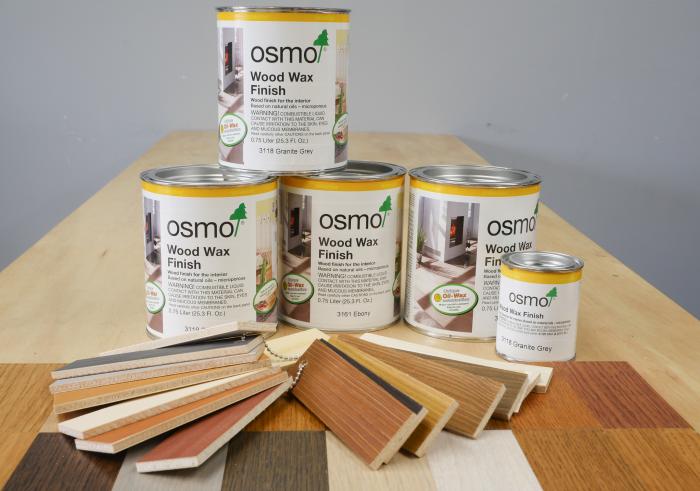
Timber brings warmth and character to any Australian home, from spotted gum decking to blackbutt flooring and jarrah furniture. To keep that timber looking its best, you need a treatment that protects the surface while letting the natural grain show through. An Osmo wood finish does exactly that, combining natural oils and waxes to nourish the wood rather than sitting on top of it like a plastic film.
The reason an Osmo wood finish suits Australian conditions comes down to how it works. Our climate throws plenty at timber, including harsh UV, dry heat, coastal salt air, and sudden humidity swings. A finish based on natural oils soaks into the wood fibres, allowing the material to breathe and move with the seasons. This flexibility helps reduce cracking, peeling, and flaking, which are common problems with harder film-forming coatings.
Choosing an Osmo wood finish also makes maintenance far simpler over the years. Because the oil penetrates the surface, you can repair scratches or worn patches by cleaning the area and applying a fresh coat, without sanding everything back to bare timber. This spot-repair ability saves time and effort, especially on high-traffic areas like hallways, staircases, and outdoor entertaining zones.
Interior applications
Inside the home, natural oil finishes work well on floors, benchtops, dining tables, and shelving. They create a soft, matt or satin appearance that feels smooth underfoot and pleasant to touch. For kitchens and dining areas, water and stain resistance matters, and a properly applied oil finish handles everyday spills when you wipe them up promptly. The result is a surface that ages gracefully rather than looking tired after a few years.
Outdoor performance
Australian decks and outdoor furniture take a beating from the sun. UV exposure fades and greys untreated timber quickly, particularly on north and west-facing surfaces. Oil finishes with added pigment and UV protection slow this process considerably. Reapplication is straightforward, usually a light clean followed by a fresh coat, and there is no need to strip old layers first. This keeps decks looking rich and healthy season after season.
Getting the best results
Preparation makes all the difference. Start with clean, dry timber and sand it to a smooth surface. Remove all dust before you apply anything. Work in thin, even coats using a brush or applicator pad, and wipe away any excess so the oil absorbs properly. Avoid applying in direct sun or during very humid weather, as both affect drying and absorption.
Allow adequate drying time between coats, and check the manufacturer guidance for your specific product and timber type. Australian hardwoods like ironbark and merbau are dense and may absorb oil differently to softer species, so a test patch is always worth doing.
Well-cared-for timber can last decades, and a natural oil finish plays a big part in that longevity. With minimal upkeep, your floors, furniture, and outdoor spaces stay protected, comfortable, and full of natural character for years to come.