

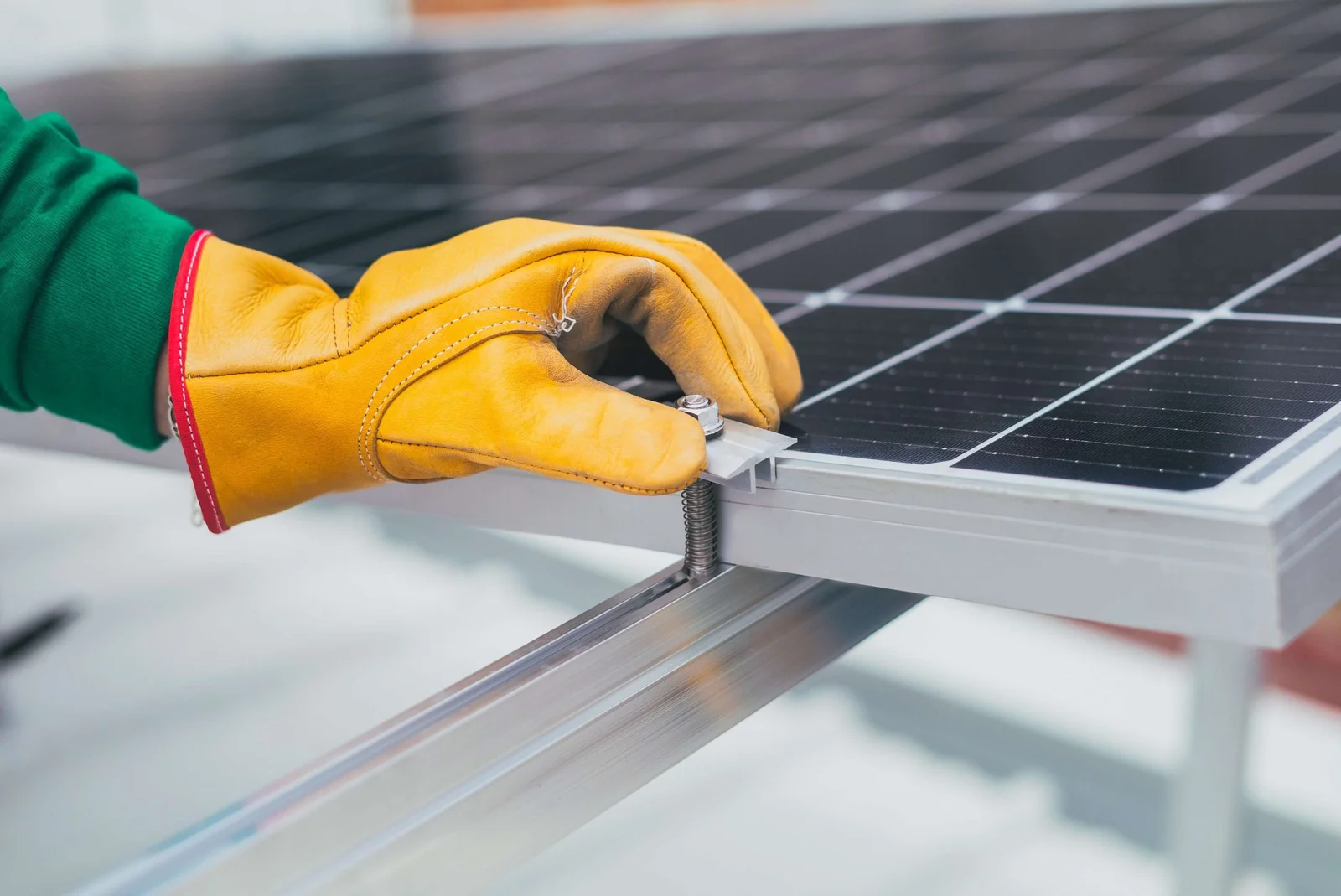
Thailand receives strong sunlight for most of the year, which makes rooftop panels a practical choice for many households. Still, a successful solar installation depends on planning rather than guesswork. Before you commit, take time to understand how your home, budget, and local rules shape the final result.
Start with your roof. A solar installation needs a surface that faces the right direction and gets steady sun exposure. In Thailand, a south-facing roof usually captures the most energy, though east and west angles still work well. Check the roof’s age and condition too. If tiles are old or damaged, repair them first. Installing panels on a weak structure only creates problems later.
Next, study your electricity use. Look at your monthly bills across a full year, since air conditioning during the hot season pushes consumption higher. This data helps you size the system correctly. A solar installation that matches your real demand saves more money than an oversized one that produces surplus power you cannot use. Many Thai homes benefit from a system tuned to daytime cooling loads.
Understand Local Regulations
Grid connection rules matter. In Thailand, homeowners who want to sell excess power back to the grid must register with the relevant provincial or metropolitan electricity authority. The process involves paperwork, inspections, and approval before the meter goes live. Rooftop systems above a certain capacity may also require additional permits. Confirm these steps early so your project does not stall halfway through.
Feed-in schemes change over time, and rates offered for exported electricity vary. Read the current terms carefully. Some households find that using most of their generated power directly gives better value than exporting it at low buy-back rates.
Weather and Maintenance
Thailand’s climate brings heat, humidity, and heavy monsoon rain. Choose panels and mounting hardware built to handle these conditions. Good ventilation under the panels helps, because extreme heat can lower output. During the rainy season, cloud cover reduces generation, so set realistic expectations about seasonal performance.
Dust, bird droppings, and leaves collect on panels and cut efficiency. Plan for regular cleaning, especially in dry months when rain does not wash the surface. Most systems need little upkeep, but inverters have a shorter lifespan than panels and may require replacement after ten to fifteen years. Factor this cost into your long-term budget.
Budget and Payback
Prices depend on system size, panel quality, and battery storage. Batteries add cost but let you store daytime power for evening use. Decide if that flexibility suits your household or if a grid-tied system without storage fits better.
Calculate the payback period based on your savings and the upfront price. Many Thai homeowners recover their investment within six to nine years, after which the electricity is close to free. Ask installers for clear written quotes and compare warranties on panels, inverters, and workmanship.
Careful preparation makes the difference between a system that disappoints and one that serves your home reliably for decades. Take each step slowly, gather solid information, and match the setup to your daily needs.