

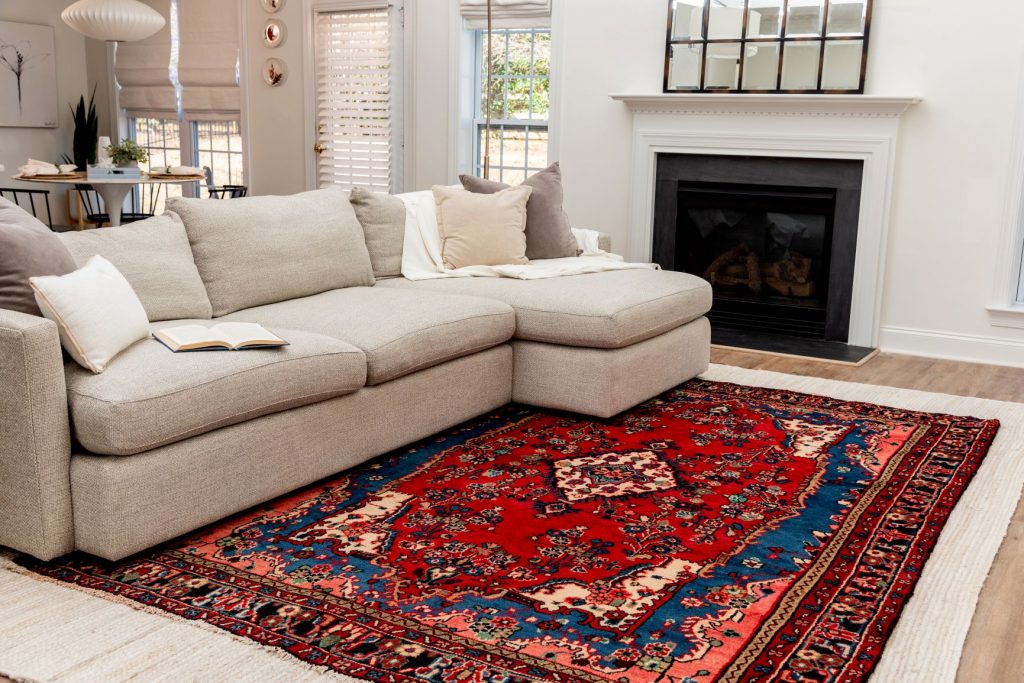
Layering is a powerful technique in home décor that adds depth, warmth, and personality to a space. By thoughtfully stacking different textures and elements, you can transform any room into a welcoming haven. The art of layering goes beyond simply adding more items to a space—it’s about creating a visual narrative and establishing a comfortable yet visually dynamic environment. Rugs, throws, pillows, and other textiles are perfect tools to achieve this. When used correctly, these pieces can elevate a room’s aesthetic and create a sense of intimacy and coziness. Here’s a closer look at how to layer these elements in your home décor to create a sophisticated, inviting space.
The Importance of Layering in Home Décor
Layering offers numerous benefits in interior design. When done thoughtfully, it can unify a room, enhance its warmth, and highlight the unique characteristics of each item. Layering creates visual interest, making the space feel lived-in, welcoming, and carefully curated. It allows you to incorporate different textures, colors, and patterns, weaving them together in a way that doesn’t overwhelm but complements the overall look.
By layering textiles, such as rugs, throws, and pillows, you create opportunities for contrast, balance, and harmony. You can play with the juxtaposition of luxurious fabrics with more rustic textures, soft hues with bold prints, or minimalist items with statement pieces. The key is to ensure that the layers harmonize and don’t compete with each other.
Layering Rugs: A Rich Foundation for Style
Rugs are one of the most effective ways to introduce texture and color to a space. Layering rugs—especially when paired with other textiles—can transform a room in an instant. When layering rugs, it’s important to select sizes and patterns that complement each other rather than compete.
- Start with a Base Rug
Begin with a larger rug that covers a significant portion of the floor space. A neutral rug in a classic material like wool or jute serves as an ideal foundation. Its neutral color will provide a solid base and allow the other layers to shine. Larger rugs also anchor the furniture and set the tone for the rest of the room’s design. - Add Smaller, Statement Rugs
Once the base is set, layer smaller, more decorative rugs on top to introduce texture and personality. A smaller rug can be placed under a coffee table or in front of a fireplace. Bold patterns, like geometric or tribal motifs, or rich textures such as shag or vintage pieces, can add an exciting contrast to the neutral base. Just ensure the rugs’ colors work together to maintain harmony. - Create Contrast in Textures
When layering rugs, the texture is as important as the color. A smooth, flatwoven rug can be layered with a plush, shaggy rug, or a sisal rug can complement a soft wool piece. This contrast creates depth and makes the floor feel more dynamic and interesting. The goal is to build a layered look that invites tactile experiences as much as it pleases the eye.
Throws: Adding Warmth and Softness
Throws are another versatile item for layering in home décor. They add a layer of softness and warmth while also acting as an element of visual appeal. A throw can be draped across a sofa, folded at the foot of a bed, or hung over a chair, adding both comfort and design.
- Layer Throws on Furniture
One of the easiest ways to introduce layering with throws is by draping them over sofas or armchairs. Instead of simply placing a throw in a single, straightforward position, consider folding it with a casual, laid-back touch or allowing it to cascade over the edge of the furniture. Layering throws of different textures, such as a chunky knit paired with a silk throw, will add visual interest and create an inviting vibe. - Consider Color and Pattern Combinations
Throws are a great way to introduce color and pattern to a neutral space. When layering throws, opt for complementary or contrasting shades that add richness to the room. For instance, a deep emerald green throw works wonderfully with a soft grey sofa, while a patterned throw can inject a pop of personality into a minimalist room. You can even layer several throws in different colors and patterns, but be sure to keep them within the same tonal range to maintain cohesion. - Focus on Texture
Texture plays a pivotal role in layering throws. Combining various materials—such as cotton, wool, faux fur, and linen—creates a tactile contrast that makes the space feel richer and more inviting. A plush velvet throw over a woven blanket can give the space depth, while a lightweight, airy cotton throw pairs perfectly with heavier, cozier materials. Layering textures can also help balance a room that might feel too heavy or too light in its design.
Pillows: A Final Touch of Comfort and Style
Pillows are an essential element of layering, whether on a sofa, bed, or chair. They bring both style and comfort, and when layered correctly, they can tie a room’s décor together beautifully. Much like throws, pillows allow for easy experimentation with color, texture, and pattern.
- Layer Pillows of Varying Sizes
When arranging pillows on a sofa or bed, start by layering larger pillows in the back and smaller ones in the front. This gives the arrangement a natural, cozy feel and adds depth to the space. You can mix square pillows with rectangular ones or use different pillow sizes to add interest to the area. Combining sizes and shapes in this way ensures the pillows don’t feel rigid or overly uniform. - Mix and Match Patterns and Textures
Pillows are a fantastic way to experiment with different patterns and textures. For example, you can mix geometric patterns with florals or solids, but it’s important to keep a sense of balance. Stick to a cohesive color palette to prevent the patterns from clashing. Textural contrast is also key: combine velvet with linen, or leather with knitted fabrics, to create a sophisticated look that’s rich in tactile appeal. - Play with Color Coordination
A well-coordinated pillow arrangement can enhance the layering effect of a room. You can either create a monochromatic look by layering different shades of the same color, or go for a more eclectic feel by combining contrasting colors. Consider the room’s existing color palette when selecting pillows to ensure that they complement and enhance the space rather than compete with it.
Conclusion
The beauty of layering in home décor lies in its ability to bring dimension, comfort, and personality to any space. Rugs, throws, and pillows are versatile elements that, when layered thoughtfully, can transform a room into a sanctuary of style and warmth. By considering factors such as texture, color, and size, and by balancing the layers with care, you create an environment that feels inviting, curated, and well-lived in. The art of layering invites you to explore endless possibilities for design, ensuring your home is always a reflection of your taste and personality.
For More information please visit CC Painting Services