

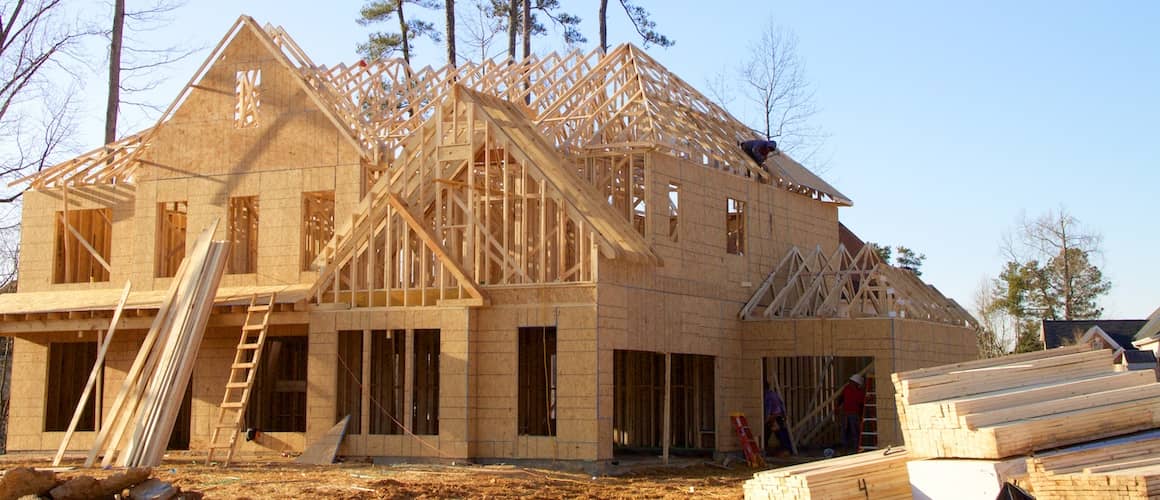
Estimating the cost of home construction is a fundamental aspect of planning for any new build or renovation. Whether you’re a first-time homeowner or an experienced developer, accurate cost estimation helps ensure the project stays within budget and avoids financial surprises. It can be a complex task, requiring careful analysis of various factors such as materials, labor, permits, and unforeseen expenses. In this article, we will explore the steps to accurately estimate the cost of home construction, providing essential insights to help guide your planning process.
1. Understand the Key Components of Home Construction Costs
The first step in estimating construction costs is to familiarize yourself with the key components that make up the total cost of building a home. These components typically fall into several categories:
- Land Costs: The cost of the land is often the largest single expense in construction. Prices vary significantly based on location, zoning, and size. It’s important to factor in land costs upfront to understand the true financial scope of the project.
- Construction Costs: These costs include all materials, labor, and equipment needed for building the house. This category covers everything from the foundation to the roofing, including framing, plumbing, electrical work, and finishes.
- Design and Architectural Fees: Hiring an architect or designer to plan the home is an essential step in the process. These professionals will help create detailed plans and specifications that serve as the blueprint for construction. Their fees typically range from 5% to 15% of the total project cost.
- Permits and Inspections: Depending on your location, various permits will be required for construction. These may include zoning permits, building permits, and environmental impact assessments. Inspections during the construction process are also necessary to ensure the home meets local building codes.
- Contingency Fund: It’s prudent to set aside a contingency fund, typically 10-15% of the total project cost, for unexpected expenses or changes during construction. These might include price fluctuations for materials or unforeseen structural issues that arise once work begins.
2. Determine the Square Footage of Your Home
One of the most effective ways to estimate construction costs is by calculating the cost per square foot. The square footage of your home is a crucial factor in determining how much material and labor will be required. The larger the home, the more materials and work will be needed, thus increasing the cost.
- Research Local Costs: Cost per square foot varies widely based on location. For instance, the cost of construction in urban areas may be higher due to factors like labor rates, permit costs, and land availability. In rural areas, costs may be lower, but transportation of materials could add to the price.
- Adjust for Complexity: The basic construction of a rectangular home is less expensive than a house with intricate designs or custom features. For example, homes with complex rooflines, high ceilings, or custom windows and doors will likely cost more per square foot than simpler designs.
3. Account for Materials and Labor
The cost of materials and labor is a substantial portion of the construction budget. To estimate this cost accurately, you’ll need to break down each part of the home’s structure, considering both materials and the cost of skilled labor for installation.
- Materials: Choose between standard or premium materials for flooring, cabinetry, countertops, and finishes. While opting for high-end finishes may increase the cost, it will give the home a luxury appeal. Conversely, selecting more standard options can reduce the overall expense without compromising quality.
- Labor: Labor costs are determined by the complexity of the work involved, as well as local labor rates. Skilled labor, such as electricians, plumbers, and carpenters, is typically more expensive than general labor, but essential for ensuring the home meets safety and quality standards.
It’s important to get multiple quotes from contractors, as prices can vary based on experience, reputation, and workload.
4. Use Online Estimator Tools
In addition to traditional methods, several online cost estimator tools are available to help calculate the cost of home construction. These tools take into account local construction costs, materials, labor rates, and other factors to provide a detailed estimate of the overall price. While these tools may not be as accurate as working directly with a contractor, they can be a useful starting point.
Some online estimators also offer features that allow you to customize your home’s design, materials, and square footage, giving you an adjusted estimate based on your specific preferences.
5. Include Landscaping and Exterior Features
Many homeowners overlook the cost of landscaping and exterior features when estimating the cost of construction. However, these elements can significantly impact the total budget. Landscaping costs include planting trees, bushes, flowers, and lawns, as well as adding features like patios, outdoor kitchens, and retaining walls.
Other exterior features such as driveways, fences, decks, and pools should also be factored into the overall cost. While these elements may be added after the home’s structure is completed, they can add tens of thousands of dollars to the overall project cost, depending on the complexity and materials used.
6. Plan for Future Expenses
While estimating the initial construction costs is essential, it’s equally important to anticipate future expenses. These can include maintenance costs such as roof repairs, window cleaning, landscaping upkeep, and appliance replacements. Additionally, ongoing utility costs, including heating, cooling, and water, should be considered in your financial planning.
Building a home is a long-term investment, and by planning for future expenses, you can ensure that the property remains affordable over time.
7. Work Closely with Professionals
To achieve the most accurate estimate, it’s essential to work closely with professionals throughout the construction planning process. A reputable contractor or builder can provide insight into the latest trends, material costs, and labor availability. Additionally, they can help you create a realistic budget that factors in all potential costs and guide you through the permitting and inspection processes.
An architect or designer can help you refine the plans to optimize your budget while ensuring the final design aligns with your vision. They can also assist in selecting materials that meet both aesthetic and financial goals.
Conclusion
Estimating the cost of home construction accurately requires a thorough understanding of the various components involved in building a house. By considering factors such as land costs, materials, labor, permits, and potential future expenses, homeowners can gain a realistic idea of what to expect financially. It’s crucial to account for the complexity of the design, local costs, and unforeseen issues that may arise during construction. By following these steps and working closely with professionals, you can ensure your home construction project stays on track and within budget.