

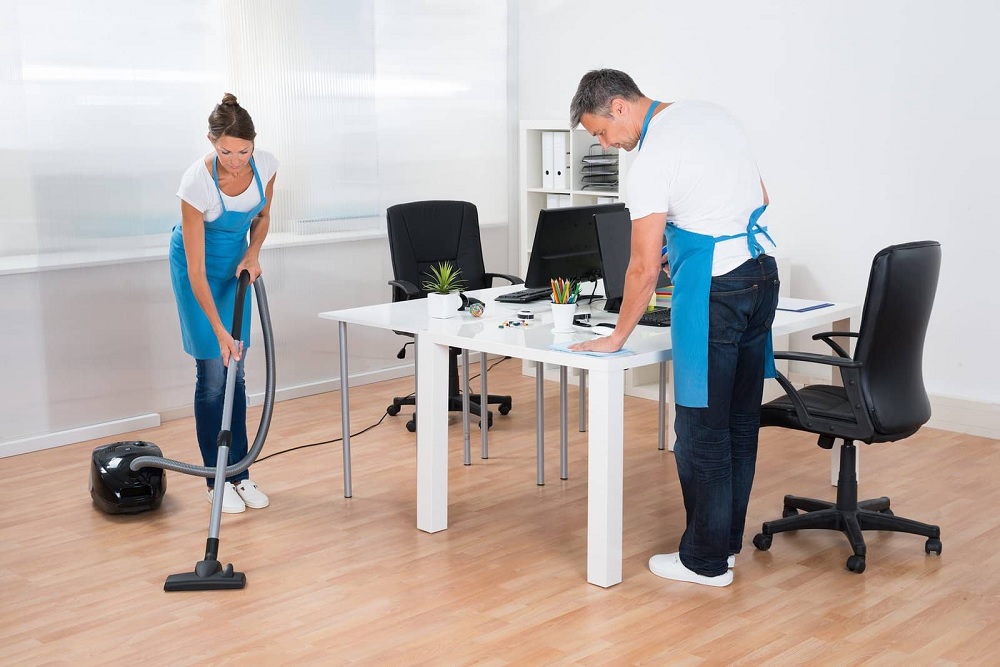
As a property manager, maintaining the cleanliness and overall condition of your properties is one of the most important aspects of your role. Whether you manage residential, commercial, or mixed-use properties, regular cleaning not only enhances the aesthetic appeal of the building but also plays a critical role in maintaining tenant satisfaction, increasing property value, and ensuring compliance with health and safety regulations. Let us explore why regular cleaning is a non-negotiable priority for property managers.
1. Tenant Satisfaction and Retention
A clean property is often the first impression prospective tenants have of a building. It speaks volumes about how well the property is cared for and managed. If tenants come into a property and notice cleanliness throughout common areas, hallways, lobbies, and individual units, they are more likely to feel comfortable and secure. Regular cleaning fosters a sense of pride in the property, which translates into tenant satisfaction. When tenants feel happy with their living or working environment, they are far less likely to leave, leading to higher retention rates and reduced turnover costs.
Moreover, a well-maintained property can encourage tenants to take better care of their own spaces. When the management demonstrates that they care about cleanliness, tenants are more likely to follow suit, further enhancing the building’s overall upkeep.
2. Health and Hygiene
The importance of cleanliness extends beyond aesthetics. Regular cleaning is essential for maintaining a healthy living or working environment. Areas with high foot traffic, such as entryways, elevators, stairwells, and restrooms, can become breeding grounds for bacteria, germs, and viruses. Property managers must prioritize cleaning these areas to prevent the spread of illness, especially during flu season or a viral outbreak.
In addition to preventing health risks, cleanliness can improve air quality within the building. Dust, mold, and allergens can accumulate in unkempt areas, leading to respiratory problems and discomfort for tenants. Regular cleaning, including deep cleaning carpets, air ducts, and ventilation systems, ensures a healthier atmosphere for all residents and workers.
3. Property Preservation and Longevity
Regular cleaning is essential for preserving the structural integrity and longevity of the property. Buildings and their components—floors, windows, walls, and fixtures—are susceptible to wear and tear over time. Without proper maintenance, dirt, dust, and grime can contribute to the deterioration of these surfaces, leading to costly repairs or replacements. For example, unclean floors and carpets are more likely to wear out quickly, while windows and exterior surfaces may require more frequent cleaning to prevent long-term damage.
By scheduling consistent cleaning routines, property managers can address minor issues before they become major concerns. This proactive approach can extend the life of the property, preserve its value, and reduce the need for expensive repairs. Regular maintenance helps keep the building in prime condition, which is critical for both tenant retention and attracting new tenants.
4. Aesthetic Appeal
A property that is clean and well-maintained attracts more attention. Whether you’re trying to fill vacancies in residential units or maintain a professional image for commercial tenants, first impressions matter. A building that is visually appealing, with gleaming floors, spotless windows, and neat outdoor areas, will stand out from other properties. This is particularly important in competitive markets, where many options are available.
When a property is regularly cleaned, it maintains an air of professionalism and quality. Tenants are more likely to associate a clean property with good management, and prospective tenants will feel more inclined to choose it over others. For property managers, this translates into a stronger brand image and a higher demand for their spaces.
5. Compliance with Health and Safety Regulations
Property managers must adhere to various local, state, and federal health and safety regulations, many of which include requirements for maintaining clean and sanitary conditions. This is especially important in shared spaces such as gyms, laundry rooms, communal kitchens, and common restrooms. Regular cleaning ensures compliance with these regulations, reducing the risk of fines or legal issues for the property owner or manager.
Maintaining cleanliness in the property can also help avoid potential accidents or injuries. For instance, spills, dirt, and debris can cause slips, trips, and falls. By ensuring that these areas are regularly cleaned, property managers can help mitigate such risks, ensuring a safer environment for all tenants and visitors.
6. Cost-Effective Management
While regular cleaning requires an investment of time and resources, the long-term benefits often outweigh the costs. A clean property reduces the need for frequent, costly repairs. It also helps to avoid damage to common areas and individual units, which can become more expensive if left unattended. Moreover, keeping the property clean allows property managers to spot problems early, such as water leaks or pest infestations, preventing them from escalating into larger, more costly issues.
Additionally, a property that is well-maintained and clean can justify higher rental rates, which can help offset the costs of cleaning services. It also enables property managers to attract and retain high-quality tenants, further improving the financial performance of the property.
7. Enhances Reputation
A property manager’s reputation is crucial to the success of their business. Clean properties lead to positive reviews and word-of-mouth referrals, which are invaluable marketing tools. A reputation for maintaining a well-kept property will attract more tenants and may even allow for premium pricing.
For commercial properties, maintaining a clean space is a direct reflection of the business that occupies it. Cleanliness enhances the credibility of a property, contributing to a strong reputation not just for the property itself but for the management team behind it.
8. Attracts New Tenants
In the competitive real estate market, a clean and well-kept property is often the deciding factor for prospective tenants. Potential tenants are likely to visit several properties before making a decision, and those that are consistently clean and inviting stand out. Regular cleaning ensures that every visitor feels welcomed and is left with a positive impression of the property. A positive first impression often leads to faster leasing and reduced vacancy periods.
By keeping your property clean, you help secure a constant stream of potential tenants, reducing the impact of vacancies on your revenue.
9. Increases Property Value
The physical condition of a property plays a significant role in its market value. Regular cleaning contributes to the overall upkeep and aesthetic appeal, making the property more valuable. A well-maintained property is more likely to attract higher offers if it is ever put on the market for sale or refinancing. Moreover, a clean environment is essential for attracting investors who seek properties that are well-managed and preserved.
Conclusion
For property managers, regular cleaning is an investment that pays significant dividends. It enhances tenant satisfaction, preserves the property’s condition, ensures compliance with health regulations, and contributes to a positive reputation. Moreover, it provides a competitive edge, increases the property’s value, and can be a cost-effective measure in the long term. By prioritizing regular cleaning, property managers ensure the smooth operation and lasting success of the properties they oversee.