

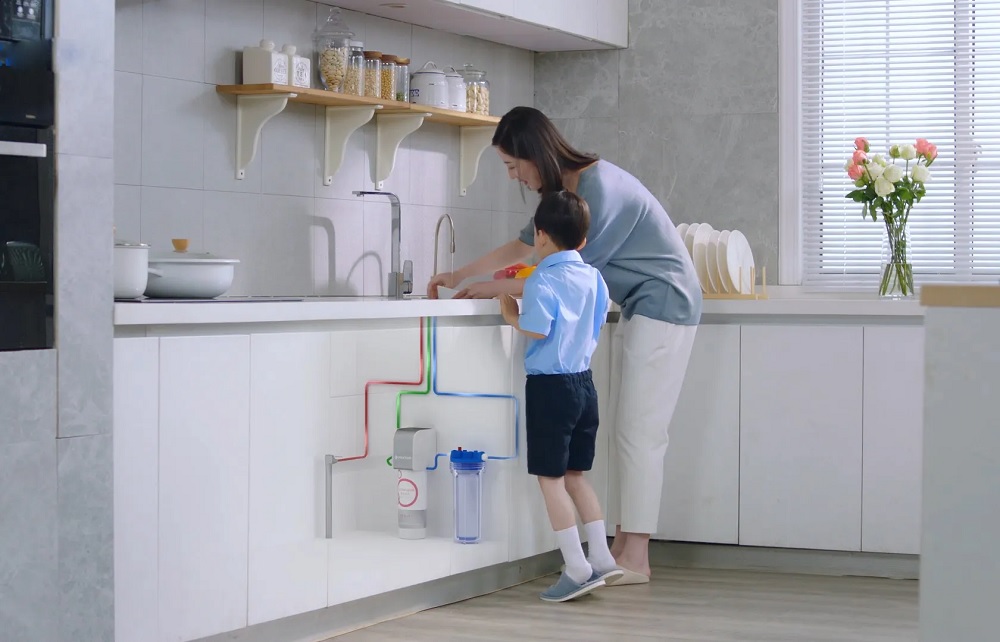
Access to clean, safe drinking water is a fundamental necessity for good health. With the variety of water purification systems available today, it’s essential to choose one that meets your needs while ensuring the purity and quality of the water. Whether you are considering a whole-house filtration system or a smaller, portable purifier, understanding the key features to look for will help you make an informed decision. This article outlines the critical elements that should guide your choice of a water purification system.
1. Filtration Technology
The core function of any water purifier is to remove contaminants and improve water quality. Different purification systems use various technologies, each offering unique advantages. When selecting a system, the filtration technology should align with your water quality needs.
a. Reverse Osmosis (RO)
Reverse osmosis is one of the most effective filtration methods for removing dissolved solids, chemicals, heavy metals, and even microorganisms. It forces water through a semi-permeable membrane, leaving contaminants behind. If you live in an area with high levels of TDS (Total Dissolved Solids) or chemical contamination, an RO system is an excellent choice.
b. Activated Carbon Filters
Activated carbon is widely used to remove chlorine, volatile organic compounds (VOCs), pesticides, and some heavy metals from water. It also improves the taste and odor of water, making it an ideal choice for households with municipal water sources. Though not as thorough as RO in removing dissolved solids, activated carbon is effective for many common contaminants.
c. UV Purification
Ultraviolet (UV) purifiers use UV light to kill bacteria, viruses, and other microorganisms by disrupting their DNA. While UV purification is highly effective against biological contaminants, it doesn’t remove dissolved solids, chemicals, or heavy metals. It’s best used in combination with other filtration methods to ensure comprehensive water treatment.
d. Distillation
Distillation involves boiling water to create steam, which is then condensed back into liquid form, leaving contaminants behind. This process can effectively remove a wide range of impurities, including bacteria, viruses, and heavy metals. However, it is slower and energy-intensive compared to other methods.
2. Capacity and Flow Rate
When choosing a water purification system, it’s crucial to consider the system’s capacity and flow rate. These factors determine how much water can be filtered at a given time and how quickly it can be processed.
a. Capacity
The capacity refers to the amount of water the purifier can filter before the filters need to be replaced or cleaned. If you have a large family or need purified water for multiple purposes (e.g., cooking, bathing, drinking), opting for a system with a larger capacity will ensure you have enough water available at all times.
b. Flow Rate
Flow rate is the speed at which the water flows through the system and gets purified. A faster flow rate means you’ll have access to purified water more quickly, which is essential if you need large quantities of water at a time. Systems with higher flow rates are typically preferred in homes or offices with higher water consumption.
3. Contaminant Removal Capabilities
The effectiveness of a water purifier is largely determined by its ability to remove various contaminants from the water. Depending on the specific impurities in your water source, the system should be able to handle the following:
a. Microorganisms (Bacteria, Viruses, and Protozoa)
If your water is sourced from a well or an untreated source, you may need a system capable of removing harmful microorganisms. UV filters are particularly effective for eliminating bacteria and viruses, while some advanced filtration systems, such as RO, can remove bacteria, viruses, and parasites as well.
b. Heavy Metals (Lead, Arsenic, Mercury)
Contaminants like lead, arsenic, and mercury pose significant health risks and are commonly found in contaminated water sources. An effective water purifier should be able to remove these toxic metals. Reverse osmosis systems and certain activated carbon filters can address these concerns.
c. Chlorine and Chloramines
Chlorine is often used in municipal water treatment to disinfect water, but it can affect the taste and smell of the water. Chloramines are similarly used in some water systems and can be difficult to remove. Activated carbon filters are highly effective at removing both chlorine and chloramines.
d. Pesticides and Chemicals
If your water source is contaminated with pesticides, herbicides, or industrial chemicals, a system capable of filtering out volatile organic compounds (VOCs) is necessary. Activated carbon and certain RO systems excel at removing these harmful substances.
4. Ease of Maintenance
Water purifiers require regular maintenance to function efficiently. Look for a system that is easy to maintain and doesn’t require frequent, complicated procedures. Some essential maintenance considerations include:
a. Filter Replacement
Most water purifiers require filter replacements at regular intervals. Choose a system with easily accessible filters that are simple to replace. Some models even come with filter change indicators to notify you when it’s time to replace the filters.
b. Self-Cleaning Features
Certain purifiers offer self-cleaning mechanisms that reduce the frequency of manual cleaning. This can be particularly useful for RO systems, where mineral buildup can clog the membranes. Self-cleaning features can extend the lifespan of your purifier and reduce maintenance efforts.
c. Water Tank Cleaning
For purifiers with water storage tanks, it’s essential to regularly clean the tank to prevent the buildup of bacteria and mold. Some models come with antimicrobial coatings or easy-to-remove tanks, making the cleaning process simpler.
5. Certification and Quality Standards
It’s essential to ensure that the water purifier you choose meets the necessary safety and quality standards. Look for certifications from reputable organizations such as NSF International or the Water Quality Association (WQA). These certifications indicate that the system has been tested and proven to meet specific performance and safety criteria.
A certified purifier ensures that it can effectively remove harmful contaminants and provide safe drinking water.
6. Energy Efficiency
Water purifiers can consume varying amounts of energy, depending on the filtration technology and features. Systems with energy-efficient designs consume less power, helping you save on electricity bills. Some models, like those with UV or activated carbon filters, tend to use less energy compared to RO or distillation systems, which require more power for their processes.
7. Size and Design
The size and design of a water purification system are important factors, especially if you have limited space in your kitchen or installation area. Consider compact models that can fit easily under the sink or on the countertop. Additionally, look for a design that complements your home’s aesthetics.
Conclusion
Choosing the right water purification system is a crucial decision that impacts the health and safety of your family. By carefully considering the filtration technology, capacity, flow rate, contaminant removal capabilities, ease of maintenance, certifications, and design, you can make a well-informed choice that meets your needs. Investing in a quality purification system will ensure that you have access to clean, safe drinking water every day, helping you maintain good health and peace of mind.