

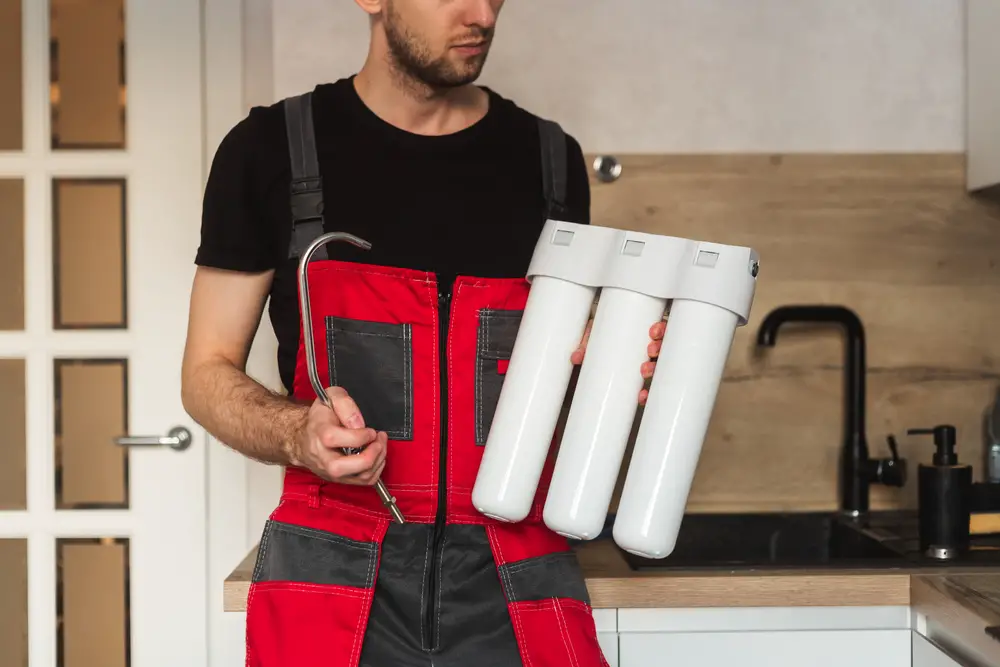
Water softeners are an essential household appliance for homeowners who rely on well water or hard municipal water. These systems work by removing minerals like calcium and magnesium that cause hardness, replacing them with softer elements such as sodium. Over time, however, water softeners may experience issues that prevent them from functioning optimally. Knowing how to troubleshoot common water softener problems can save time, money, and the need for professional repairs. Here are several steps and considerations to help you address typical water softener issues.
1. Water Softener Not Regenerating
One of the most common issues with water softeners is failure to regenerate. Regeneration is the process that refreshes the resin bed inside the softener, restoring its ability to remove hardness minerals. If the system isn’t regenerating, water quality may worsen, leading to hard water problems.
Troubleshooting Steps:
- Check the Timer: Water softeners rely on a timer to initiate the regeneration process. If the timer is malfunctioning, the system may not regenerate on schedule. Ensure that the timer is set correctly and hasn’t been accidentally altered.
- Inspect the Control Valve: The control valve directs water through the resin bed and initiates the regeneration cycle. If the valve is clogged or damaged, it can prevent proper regeneration. Cleaning or replacing the valve might be necessary.
- Examine the Electrical Components: If your water softener is electric, a power failure or wiring issue could stop the system from regenerating. Check the power source and inspect wires for any signs of damage.
2. Water Softener Producing Hard Water
If you notice your water softener isn’t softening water effectively, even after a regeneration cycle, there could be several causes. Hard water can result in scaling on faucets, dishes, and appliances, indicating that the system is not removing minerals properly.
Troubleshooting Steps:
- Check Salt Levels: If your water softener runs out of salt, it won’t be able to regenerate the resin beads effectively. Make sure the salt tank is filled to the appropriate level and that no salt bridges (hardened salt) are obstructing the flow.
- Clean the Resin Bed: Over time, dirt and debris can accumulate in the resin bed, reducing its effectiveness. Cleaning or replacing the resin can help restore the system’s ability to soften water.
- Check for a Faulty Injector: The injector is responsible for drawing salt brine into the system during regeneration. If the injector becomes clogged or broken, the system may not receive the necessary salt, leading to poor water softening. Clean or replace the injector as needed.
3. Water Softener Leaking
Leaks around the water softener can cause water damage and indicate underlying issues that need to be addressed immediately. Common leak sources include the control valve, brine tank, or connections to the household plumbing.
Troubleshooting Steps:
- Inspect the Control Valve: The control valve, which regulates water flow, can develop cracks or loose connections over time. Examine it for visible signs of wear and tear or leaking. Tightening the valve or replacing it may resolve the issue.
- Check the Brine Tank: A leaky brine tank is another common issue. Ensure the tank is properly sealed, and look for cracks or loose fittings around the tank’s connections. If necessary, replace any damaged parts.
- Examine the Plumbing Connections: Leaks could also occur at the point where the water softener connects to the home’s plumbing system. Tighten any loose connections, and inspect hoses or pipes for leaks.
4. Water Softener Making Noise
Unusual noises, such as hissing, buzzing, or gurgling, can indicate mechanical problems within the water softener. These sounds are often caused by clogs, mineral buildup, or malfunctioning components.
Troubleshooting Steps:
- Examine the Injector and Nozzle: A clogged injector or nozzle can create a hissing sound as water struggles to pass through the system. Clean the injector and nozzle to restore proper water flow.
- Check the Valve for Malfunctions: If the control valve is malfunctioning or clogged, it can create noise. Cleaning or replacing the valve might be necessary to eliminate the noise.
- Inspect for Air in the System: Sometimes, air can get trapped inside the system, causing gurgling noises. Running the system through a few regeneration cycles can help expel trapped air.
5. Salt Bridges or Mushing
Salt bridges occur when the salt inside the brine tank hardens into a solid mass, preventing the water softener from drawing in the salt brine during regeneration. This issue can severely limit the softener’s efficiency and cause it to stop working altogether.
Troubleshooting Steps:
- Break the Salt Bridge: Use a broom handle or similar tool to break up the salt bridge. Once the salt is loosened, remove the debris and refill the tank with fresh salt.
- Check for Excessive Salt: Mushing occurs when the salt becomes too wet and turns into a slurry. Make sure you are using the right type of salt and monitor the moisture levels in the brine tank.
6. Water Softener Not Producing Softened Water
If your water softener isn’t producing softened water even after running through regeneration, the issue may be more serious. It could be due to a malfunctioning valve, improper salt use, or a more significant internal component failure.
Troubleshooting Steps:
- Inspect the Salt Settings: Ensure that you are using the correct amount and type of salt for your water softener. If the salt is too low or of poor quality, the system may fail to regenerate properly.
- Check for Resin Bed Failure: If the resin bed has become exhausted and is no longer able to attract minerals, the softener will not produce softened water. In this case, replacing the resin bed may be necessary.
- Examine the Water Flow: Low water flow can prevent the softener from regenerating and working effectively. Check the flow rate to ensure there are no blockages or restrictions in the system.
7. Foul or Salty Water
If your water softener is producing water with a salty or unpleasant odor, the issue could be due to over-salting, a stuck valve, or a problem with the brine tank.
Troubleshooting Steps:
- Check the Brine Tank for Issues: Excessive salt in the brine tank can lead to a salty taste or odor. Make sure the tank is not overfilled, and that the salt is being properly dissolved during regeneration.
- Inspect the Valve and Seals: A malfunctioning valve or seal can lead to improper brine flow or leakage, causing salty water to come out of your taps. Repairing or replacing the valve can solve the problem.
Conclusion
Water softener problems are often manageable with proper troubleshooting and maintenance. By understanding the common issues such as failure to regenerate, hard water output, leaks, and mechanical noises, homeowners can identify and resolve problems before they become major repairs. Regular maintenance, including checking salt levels, cleaning the resin bed, and inspecting components for wear, will ensure the longevity and efficiency of your water softener system. If problems persist despite your efforts, consulting a professional can provide a more thorough evaluation and solution.