

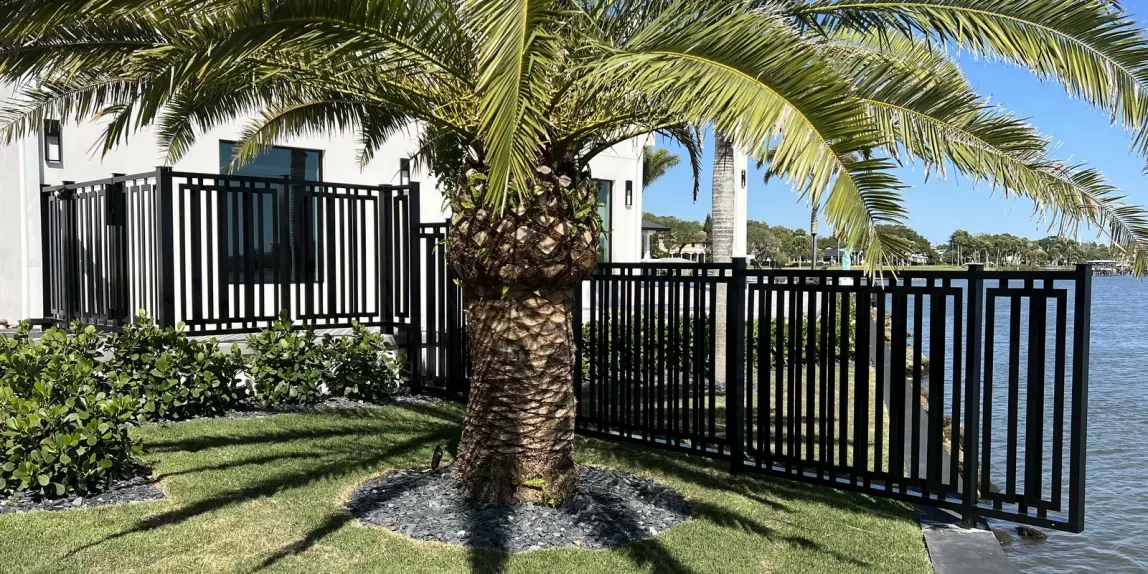
A fence is not just a functional element for securing your property; it can also be a key feature in your landscaping design, enhancing both the beauty and utility of your outdoor space. The right fence can act as a boundary, add privacy, and create a visually appealing focal point, all while complementing the existing design of your home and garden. Incorporating a fence into your landscaping design requires careful planning to ensure it aligns with the overall style, function, and purpose of your outdoor space. Below, we explore several ways to seamlessly integrate a fence into your landscaping, transforming your yard into a harmonious and well-defined area.
1. Define the Purpose of the Fence
Before choosing a fence design, it’s important to define the primary purpose it will serve. Understanding the function of your fence will guide your decisions regarding style, materials, and placement. Whether you are looking for increased privacy, security, or simply a decorative element, the purpose will influence every aspect of your fence’s integration into your landscape.
- Privacy and Security: If privacy is a priority, consider a taller fence or one with minimal gaps between slats to shield your outdoor area from prying eyes. Security fences, on the other hand, should be designed for durability and strength, possibly with features like locking gates or spikes for added protection.
- Aesthetic Appeal: If your focus is aesthetic, a fence can act as a backdrop to your garden or a frame for your landscape features. In this case, you might opt for a decorative, lower fence that adds charm without obstructing views.
- Dividing Spaces: Fences are also great for defining spaces within your yard. Whether you want to separate a garden from a lawn or create a secluded area for relaxation, the fence serves as a clear boundary between different zones of your outdoor environment.
2. Choose the Right Fence Style for Your Landscape
The style of your fence plays a significant role in how well it integrates with your landscaping. Your fence should complement the aesthetic of your home and garden, whether it’s contemporary, traditional, or rustic. Here are some popular fence styles and how they can be used effectively within various landscape designs:
- Modern and Minimalist: For contemporary homes, a clean-lined, horizontal slat fence made of metal, wood, or composite materials works well. The simplicity and geometric design of horizontal slats or wire panels can provide a striking contrast against lush greenery, creating a modern, understated aesthetic.
- Traditional and Classic: If your home features traditional or cottage-style architecture, a classic wooden picket fence or wrought iron fence may be the perfect choice. The charming, vintage look of these fences complements flower beds, well-manicured lawns, and garden features, adding a sense of warmth and elegance.
- Rustic and Natural: For homes surrounded by natural landscapes or gardens, a rustic wood or bamboo fence can blend seamlessly with the environment. These types of fences create a more organic, earth-toned aesthetic that works beautifully with wildflower gardens, vegetable patches, or wooded areas.
- Contemporary Artistry: For a more creative approach, a lattice fence with climbing plants or a custom-designed fence with intricate patterns can serve as both a fence and an art piece. When paired with flowers or vines, such a design can create an enchanting focal point in your landscape.
3. Integrate the Fence with Landscaping Elements
To create a cohesive design, your fence should not stand alone but should be integrated with the existing landscape. Here are a few ways to achieve this integration:
- Use Plants and Greenery: One of the easiest ways to blend your fence into the landscape is by surrounding it with greenery. Plant vines, climbing plants, or flowering shrubs along the base of the fence to soften its appearance. Consider using plants such as ivy, roses, or jasmine to add color and texture while also encouraging a natural, flowing look. Taller plants or small trees planted near the fence will create a layered effect, adding depth to your landscape.
- Consider Fence Height: The height of your fence is another crucial element in how it interacts with your landscaping. A low, decorative fence can provide a delicate boundary while allowing for the plants in front of it to take center stage. A taller fence, however, can create privacy and serve as a backdrop for more dramatic landscaping features like large garden sculptures or ornamental trees.
- Incorporate a Gate: A gate can serve as both a practical and decorative addition to your fence. A well-designed gate that matches the fence style can serve as an entry point into your garden or backyard while maintaining the integrity of the overall design. You can choose a gate with intricate detailing, or something more minimalist, depending on the look you’re trying to achieve.
- Lighting and Accents: To truly integrate the fence into your landscape, consider adding outdoor lighting along the fence line. This can create a warm, inviting ambiance while also highlighting the design of your fence. Pathway lights, lanterns, or even string lights along the top of the fence can enhance its visual appeal, especially in the evenings. Decorative accents such as planters, trellises, or even sculptures can be placed along the fence to further tie it into your garden design.
4. Choose the Right Materials for Long-Term Durability
When selecting a fence, materials play a crucial role in both the aesthetic and functionality of the fence. Durability is key, especially when the fence is a significant feature in your landscaping design. Choose materials that complement the natural environment and require minimal maintenance to ensure your investment stands the test of time.
- Wood: Wood is a versatile material that fits a wide variety of landscapes. Cedar and redwood are naturally resistant to rot, making them ideal choices for outdoor use. While wood fences require some upkeep to prevent weathering and maintain their appearance, they offer timeless beauty and can be stained or painted to match your design.
- Metal: For a modern look, metal fences made from wrought iron, aluminum, or steel offer durability and strength. These materials resist weathering and are low-maintenance, making them an excellent option for homeowners looking for a more industrial or contemporary aesthetic. A metal fence can also be paired with climbing plants or ivy for a more natural look.
- Vinyl: Vinyl fences have become a popular choice due to their low-maintenance qualities. They don’t require painting or staining and are resistant to fading, rot, and pests. Vinyl fences are available in a wide range of styles, including privacy and picket options, and can be designed to mimic wood or metal while offering enhanced durability.
- Composite: Composite fencing combines the best qualities of wood and plastic. It is durable, weather-resistant, and requires minimal maintenance. Composite fences are available in a variety of colors and styles, making them an excellent choice for homeowners seeking a low-maintenance yet stylish option.
5. Balance Function with Aesthetic Value
While aesthetics are essential in any landscaping design, the functionality of your fence should not be overlooked. A fence should fulfill the purpose it was installed for, whether that’s providing privacy, security, or simply defining space. It’s important to balance the fence’s appearance with its practical function, ensuring that it enhances your landscaping while still meeting your needs.
- Privacy vs. Openness: If privacy is a priority, you may choose a tall, solid fence. However, if your goal is to keep the space open and airy, consider a more open fence design with gaps or slats. A blend of solid and open sections, such as a lattice fence with a solid base, can strike a balance between privacy and openness.
- Maintenance Considerations: Different fence materials come with varying levels of maintenance. For low-maintenance landscaping, opt for materials like vinyl or metal that don’t require frequent upkeep. However, if you enjoy the process of caring for your landscape, a wooden fence may be the perfect choice to allow you to incorporate your personal touch.
Final Thoughts
Incorporating a fence into your landscaping design requires careful thought and consideration. A well-chosen fence can transform your yard, adding structure, style, and functionality. Whether you opt for a simple wooden picket fence or a modern, industrial design, your fence should complement your home and enhance your outdoor living experience. With careful planning and the right materials, your fence can become an integral part of your landscape, contributing to both the beauty and utility of your property.