

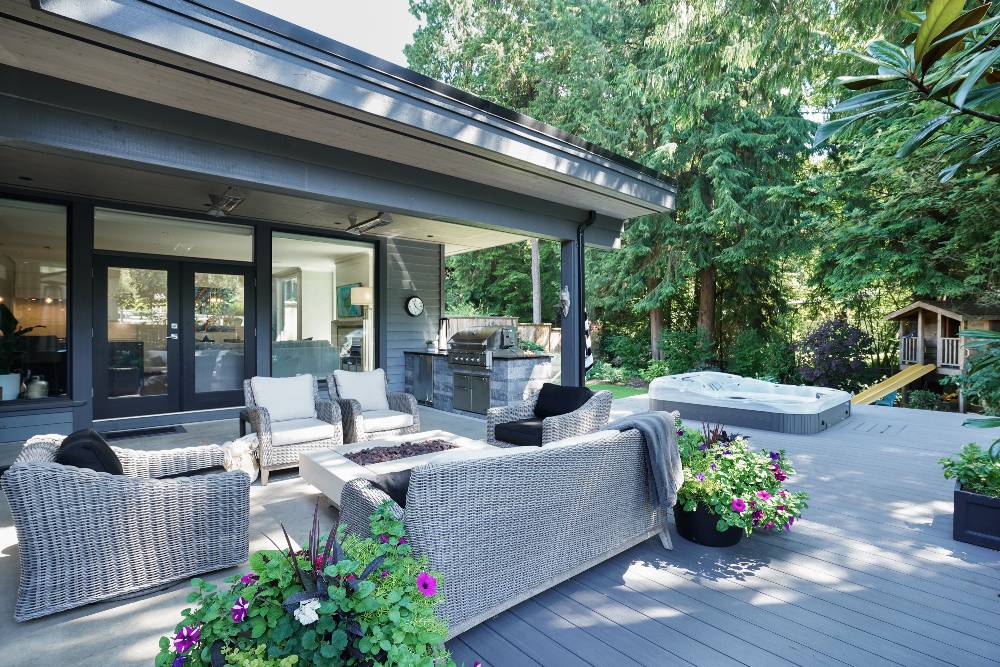
Outdoor living spaces have become an essential feature in modern home design, offering an extension of the indoors and enhancing both the aesthetics and functionality of your property. When planning for outdoor areas in your home build, careful thought and consideration must go into the layout, design elements, and materials. Outdoor lights by HomeOne can be used to accentuate architectural details like columns, walls, or windows, enhancing the overall appearance of a home. Well-designed outdoor living spaces can enhance the overall look and value of a property, making it more attractive to potential buyers or tenants. These spaces can serve as peaceful retreats, areas for entertaining, or spots for family gatherings. Below are some key steps to help you plan and create the ideal outdoor living space that seamlessly blends with your home.
Choosing the right veranda company ensures quality craftsmanship and durability for your outdoor extension. A reputable provider offers various designs, materials, and installation services to match your specific preferences. Investing in a trusted company guarantees a long-lasting and stylish addition to your home.
1. Define the Purpose of Your Outdoor Space
The first step in planning your outdoor living area is to clearly define its purpose. Understanding how you intend to use the space will guide your design decisions and help you prioritize features that suit your lifestyle. Consider the following potential purposes for your outdoor space:
- Relaxation and Privacy: If your goal is to create a quiet retreat, consider adding comfortable seating, lush greenery, and privacy screens. A hammock, chaise lounges, or a cozy outdoor couch can turn your space into a peaceful haven where you can unwind.
- Entertaining: For those who love hosting guests, consider integrating a dining area, a bar, or a kitchen outdoors. A fire pit, seating around a central table, or a built-in barbecue can transform your space into an ideal setting for gatherings and parties.
- Recreation and Play: If you have children or enjoy active hobbies, your outdoor space might need a play area or sports amenities. A dedicated space for sports like a basketball hoop, a putting green, or even a pool may be suitable, depending on your available space.
Once you have a clear vision of how you’ll use your outdoor space, you can move on to the next step of planning.
2. Assess the Available Space and Layout
Before diving into specifics, take a good look at the size and shape of the outdoor area you have to work with. Whether it’s a large backyard or a smaller courtyard, understanding the available space will help you determine what can realistically fit into your outdoor living area.
- Measure the Area: Accurate measurements will allow you to scale your design appropriately. For example, ensure that seating areas allow for comfortable movement, and pathways are wide enough for easy access.
- Consider Flow and Connectivity: Think about how your outdoor space will connect to the rest of the house. Ideally, the transition from indoors to outdoors should be smooth and natural. Large sliding or bi-fold doors are an excellent way to connect the interior living space with the patio or deck. If you’re designing a more expansive outdoor area, consider creating different “zones” within the space—each serving a specific purpose, such as dining, lounging, or cooking.
The goal is to create a harmonious flow from inside to outside, allowing for easy movement between areas without overwhelming the space.
3. Incorporate Functional and Comfortable Furnishings
Once you have your layout mapped out, focus on selecting the right furniture. The key to any great outdoor living space is comfortable and durable furniture that suits both the design and the climate of your area. There are several factors to keep in mind when choosing furniture:
- Durability: Outdoor furniture must be able to withstand the elements. Look for materials like teak, wrought iron, and high-quality synthetic wicker, which are known for their ability to resist rust, fading, and weathering.
- Comfort: Make sure your furniture offers comfort for long periods of use. Look for cushions with weather-resistant fabric and outdoor-friendly foam that dries quickly and retains its shape over time.
- Functionality: Consider the function of the furniture you choose. A table with chairs can serve as a dining area, while an outdoor sectional or Adirondack chairs are ideal for casual lounging. Additionally, storage solutions like benches with hidden compartments or cabinets can help keep the area neat and organized.
- Scale: Be mindful of the size and scale of the furniture in relation to your space. Oversized furniture can overwhelm smaller areas, while too-small pieces may lack comfort and functionality.
With the right furnishings, your outdoor space will not only be stylish but also functional and comfortable for everyday use.
4. Choose Sustainable and Weather-Resistant Materials
The materials you select for your outdoor space will heavily influence its durability, aesthetic appeal, and maintenance requirements. Since your outdoor living area will be exposed to the elements, choosing the right materials is crucial for ensuring longevity and minimal upkeep.
- Decking: Composite decking is an excellent option for creating a low-maintenance outdoor living area. It combines wood fibers and plastic to create a surface that resists fading, rotting, and splintering. Natural wood, such as cedar or redwood, can also add a timeless charm but requires more maintenance.
- Hardscaping: When planning pathways, patios, or walls, opt for materials like stone, brick, or concrete pavers. These materials are durable, weather-resistant, and provide a polished look to your outdoor spaces. Concrete can be stamped or stained to resemble natural stone for a more custom, high-end appearance.
- Lighting: Outdoor lighting not only enhances the beauty of your outdoor space but also provides safety at night. Look for LED lighting options that are designed for outdoor use and offer energy efficiency. You can incorporate string lights for a casual ambiance, pathway lights for safety, or feature lighting to highlight special elements like sculptures or water features.
Selecting weather-resistant and sustainable materials will reduce the need for frequent replacements or repairs, ensuring your outdoor living space remains beautiful and functional for years to come.
5. Consider Privacy and Shade
Privacy and shade are two important aspects that can significantly improve the enjoyment of your outdoor space. If your outdoor area is visible to neighbors or public spaces, adding elements that provide a sense of seclusion can make a big difference.
- Privacy Screens: Tall hedges, fences, or strategically placed trellises with climbing plants can provide both privacy and visual appeal. Use these elements to screen off areas that feel too exposed or create intimate zones within the larger space.
- Shade: For comfortable outdoor living, shade is essential, especially during hot summer months. Pergolas, shade sails, and retractable awnings can be used to provide shelter from the sun. Alternatively, planting trees or tall shrubs can offer natural shade while enhancing the landscaping.
- Outdoor Curtains: For added flexibility, consider installing outdoor curtains around a patio or pergola. These can be drawn to block the sun or provide privacy when desired, adding a touch of elegance to your outdoor area.
With privacy and shade in place, your outdoor living area will feel more comfortable and welcoming, making it a space you’ll want to spend time in day or night.
6. Add Personal Touches and Greenery
Personalizing your outdoor living space with decor and greenery can truly make it feel like an extension of your home. Consider adding elements that reflect your style and enhance the space’s ambiance.
- Landscaping: Incorporate plants and flowers to add life, color, and texture to your outdoor space. Whether you opt for flower beds, container gardens, or vertical gardens, greenery adds a natural element that complements your design.
- Decorative Elements: Outdoor rugs, throw pillows, and lanterns can infuse your space with personality. Don’t shy away from using bold colors or patterns to make the space feel more inviting.
- Water Features: A small water feature like a fountain or pond can introduce soothing sounds, creating a tranquil atmosphere. Water features can also serve as a focal point in your outdoor design, enhancing the beauty of your space.
The key to creating an inviting and enjoyable outdoor living area is incorporating elements that reflect your tastes and add visual interest.
7. Plan for Maintenance and Upkeep
Finally, while outdoor spaces can be low-maintenance, they do require some attention over time. Consider the amount of time you’re willing to invest in maintaining the area and select materials and plants that align with your level of commitment to upkeep.
- Maintenance-Friendly Materials: Opt for materials that are easy to clean and maintain, like composite decking or stone pavers. Choose plants that are native to your region, as they typically require less water and maintenance.
- Seasonal Considerations: In climates with harsh winters, plan for how you’ll protect furniture, plants, and structures during the colder months. This might include covering furniture or storing cushions indoors.
By planning for maintenance, you ensure that your outdoor living space remains inviting and functional year-round.
8. Consider Sustainability and Environmental Impact
As awareness of environmental issues grows, many homeowners are considering the sustainability of their outdoor spaces. Opting for eco-friendly solutions can benefit both the environment and your wallet.
- Rainwater Collection: Installing a rainwater collection system can help water your garden without relying on municipal water. This is especially beneficial in areas prone to drought.
- Solar Lighting: Solar-powered lights are energy-efficient and reduce your reliance on electricity. They also create a charming glow in the evenings.
Incorporating sustainable practices not only reduces your carbon footprint but also contributes to the longevity of your outdoor living space.
Final Thoughts
Planning for outdoor living spaces in your home build is an exciting and rewarding process. By considering the space’s purpose, layout, materials, and sustainability, you can create a functional and beautiful extension of your home. Whether for relaxation, entertainment, or recreation, your outdoor area should reflect your personal style and become a space you’ll enjoy for years to come.