

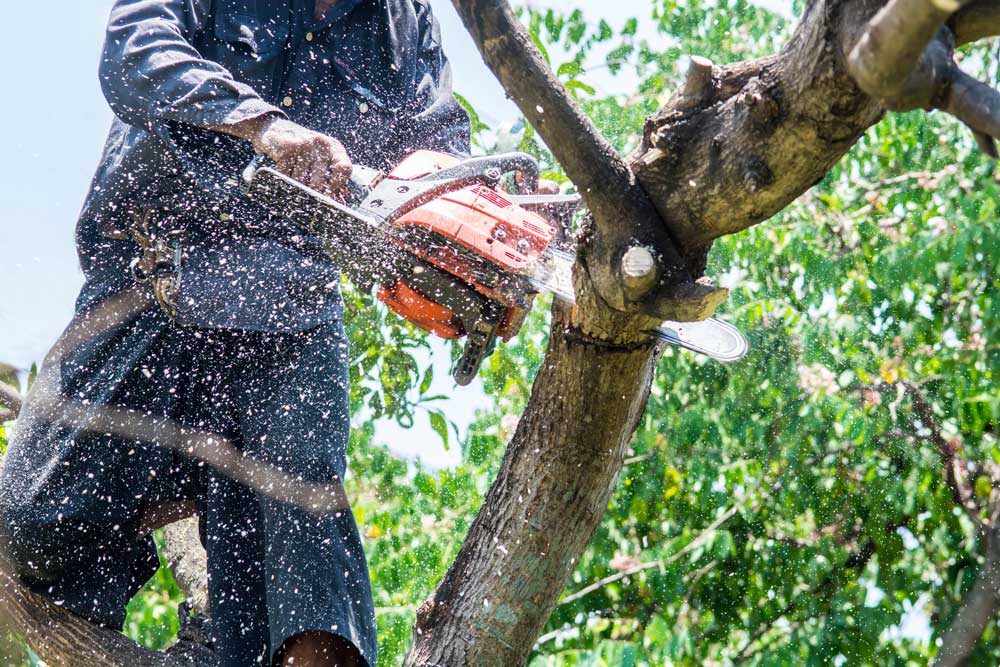
Trees are essential elements in our landscapes, providing shade, beauty, and environmental benefits. However, they are not immune to problems that can compromise their health, aesthetics, or safety. Below are the ten most common tree problems and how professional tree services address them effectively.
1. Pest Infestations
Insects such as borers, aphids, and caterpillars can severely harm trees by feeding on leaves, bark, or even the inner wood. These pests weaken the tree’s structure, stunt growth, and can lead to disease.
Tree services tackle pest infestations with targeted solutions, including insecticidal treatments, pruning of infested branches, and introducing beneficial insects that naturally control the pests. Proper monitoring and timely interventions ensure the tree’s health is restored and preserved.
2. Fungal Diseases
Fungi like powdery mildew, root rot, or cankers can wreak havoc on trees, often leading to dead branches or a decaying trunk. These infections spread quickly, especially in damp or humid environments.
Professional arborists diagnose fungal issues through inspections and laboratory tests, then apply treatments such as fungicides or soil amendments. In advanced cases, they may remove infected parts to prevent the disease from spreading to nearby trees.
3. Nutrient Deficiencies
Yellowing leaves, stunted growth, or sparse foliage often signal a lack of essential nutrients like nitrogen, phosphorus, or potassium. Poor soil quality or compaction is often the culprit.
Tree care specialists conduct soil testing to determine deficiencies and then recommend fertilization strategies. By using slow-release fertilizers or organic compost, they ensure the tree receives balanced nutrients over time, promoting vibrant growth and resilience.
4. Root Damage
Roots are the lifeline of a tree, but they are frequently damaged during construction projects or landscaping changes. This can result in poor water uptake, instability, and eventual decline.
Tree services employ root barrier systems, aeration techniques, or special soil treatments to help roots recover. In severe cases, they may recommend transplanting the tree to a safer location, preserving both its health and the surrounding environment.
5. Improper Pruning
Incorrect pruning can lead to weak branch structure, open wounds, or even tree death. Over-pruning, also known as “topping,” is particularly harmful and often results in unsightly regrowth.
Certified arborists understand the art and science of proper pruning. They trim trees to encourage healthy growth, remove deadwood, and maintain structural integrity. By adhering to industry standards, tree services ensure the tree thrives without compromising its appearance or stability.
6. Storm Damage
Severe storms can snap branches, split trunks, or even uproot trees entirely. Fallen trees can pose immediate safety risks and block access to driveways or roads.
Tree care professionals are equipped to handle storm-related tree damage efficiently. They remove fallen trees, stabilize those that can be saved, and provide bracing or cabling for weakened trunks. Preventative pruning before storms is another service they offer to minimize future risks.
7. Overcrowding
When trees are planted too closely together, they compete for sunlight, water, and nutrients, often leading to poor growth or unhealthy conditions. Overcrowding can also increase the risk of pest infestations and disease spread.
Tree services assess the space and determine whether thinning or selective removal is necessary. By optimizing spacing, they ensure each tree has sufficient resources to thrive while enhancing the landscape’s overall aesthetics.
8. Poor Drainage and Waterlogging
Excess water around the roots can suffocate a tree, causing root rot or fungal infections. This often happens in areas with compacted soil or poor drainage systems.
Tree care specialists address waterlogging by improving soil drainage, installing aeration systems, or creating runoff solutions like French drains. These methods ensure the roots can access both water and oxygen, restoring the tree’s vitality.
9. Compacted Soil
Soil compaction restricts root growth and reduces the availability of oxygen and water. This issue often arises in high-traffic areas like parks or driveways where the ground is frequently compressed.
Arborists use techniques such as soil aeration or vertical mulching to alleviate compaction. These processes break up the compacted layers, allowing roots to grow freely and absorb the nutrients they need.
10. Tree Decline Due to Age or Stress
As trees age, they may experience decline due to natural processes or external stress factors such as pollution, drought, or damage. Declining trees often exhibit reduced growth, fewer leaves, and weakened branches.
Tree services provide comprehensive care for aging trees, including regular inspections, targeted fertilization, and pruning of deadwood. In cases where the tree poses a safety hazard, they may recommend safe removal and offer guidance on suitable replacements to maintain the landscape’s appeal.
Why Professional Tree Services Matter
Every tree problem requires a unique approach tailored to its specific circumstances. Professional tree services combine expertise, advanced tools, and environmentally friendly practices to address these challenges effectively. Whether it’s diagnosing a pest problem, improving soil conditions, or managing storm damage, their work ensures trees remain healthy, safe, and visually pleasing for years to come.
By investing in professional care, homeowners and property managers can protect their trees and the broader landscape, creating an environment that is both sustainable and beautiful.