

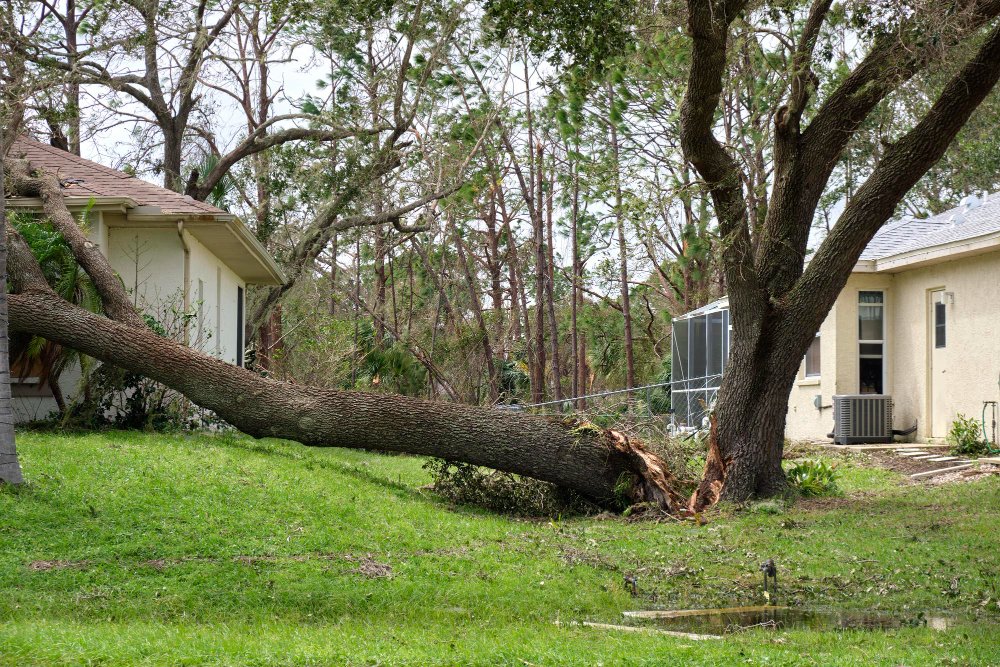
Severe storms can leave behind a trail of destruction, and one of the most concerning consequences is damaged or fallen trees. These trees, while part of the natural landscape, can quickly become a hazard to property, people, and pets. After a storm, handling emergency tree removal efficiently and safely is paramount. The process can be overwhelming, especially when you’re faced with a tree that is blocking your driveway, damaging your house, or posing a risk to utility lines. In this article, we will walk you through the necessary steps to manage emergency tree removal, ensuring that the situation is addressed swiftly and safely.
Assess the Damage
The first step in handling emergency tree removal after a storm is to assess the damage. It is essential to stay calm and approach the situation with caution. Fallen trees or broken limbs can pose several risks, including exposure to live power lines, sharp branches, and unstable structures. Before inspecting the tree, make sure it is safe to do so. If power lines are involved, avoid the area entirely and call your local utility company immediately to have the lines turned off or repaired.
Once it’s safe to approach, evaluate the condition of the tree. Is it completely fallen, or are parts of it still standing? Are there broken limbs hanging precariously? Identifying these factors will help determine the level of urgency. If the tree is in a dangerous location, such as near your home or power lines, immediate removal is essential. If it’s a minor issue, you may be able to wait for professional services to assess the damage further.
Prioritize Safety
Safety should be your top priority when dealing with storm-damaged trees. Never attempt to remove a tree yourself unless you are a trained professional. The process of cutting and removing trees is dangerous, particularly when the tree is in a compromised state after a storm. Trees may have weakened structures, making them prone to sudden shifts and falls.
If you do need to remove smaller branches or limbs, ensure you have the right equipment, such as a sturdy ladder and sharp tools. However, for large or hazardous trees, always rely on professionals who are equipped with the necessary tools and expertise to handle the job safely.
Call a Professional Tree Removal Service
While you may feel the urge to tackle the situation yourself, calling a professional tree removal service is always the best decision when dealing with storm damage. Tree removal specialists have the proper training, tools, and experience to safely remove fallen or damaged trees. They also carry insurance in case of accidents, providing additional protection for you and your property.
Professional arborists can assess the situation and determine whether removal is necessary or if the tree can be salvaged with proper pruning. They are skilled at navigating tight spaces, such as when a tree is leaning against your house or blocking a driveway. Additionally, they can safely remove trees near power lines, something that should never be attempted by an untrained individual.
Furthermore, when dealing with storm-damaged trees, it’s crucial to select a tree removal service that offers round-the-clock availability to address emergencies promptly. This ensures that hazardous situations are managed quickly, preventing escalation of damage from factors like shifting winds or additional storms. Services with 24/7 support often have teams ready to respond at any time, equipped with the necessary tools and expertise to handle urgent removals safely. For example, in Roswell, GA, homeowners can access reliable 24/7 emergency tree removal options that boast years of experience and a commitment to customer satisfaction. By prioritizing such services, you not only safeguard your property but also gain access to professionals who can offer advice on preventive measures for future storms.
Document the Damage for Insurance Purposes
After the storm has passed and before any tree removal takes place, it is crucial to document the damage for insurance purposes. Take clear photos of the tree, the damage to your property, and any other relevant details. This documentation will serve as evidence when filing an insurance claim to cover the costs of removal and repair.
Many homeowner’s insurance policies cover tree removal, especially if the tree has fallen on a structure or blocked access. Ensure that you contact your insurance company promptly to understand the claims process and what documentation is required. Professional tree removal companies can also assist with this by providing detailed reports of the damage and work performed, making it easier for you to file your claim.
Understand the Costs
Emergency tree removal services can be costly, but the expense is often necessary to prevent further damage. The cost of removal depends on several factors, including the size and location of the tree, the complexity of the removal, and whether the tree is blocking a major thoroughfare or causing significant structural damage. In some cases, the cost may be higher if the tree is located near power lines or if the removal requires specialized equipment, such as cranes.
While these costs may seem daunting, they are often an investment in preventing even higher expenses. For example, if a tree falls on your roof or damages utility lines, the repair costs can be far greater than the cost of professional removal. Furthermore, many tree removal companies offer emergency services, ensuring that the work is done promptly and effectively.
Plan for Tree Replacement
Once the storm has passed and the emergency tree removal has been handled, it’s time to think about replanting. If the tree was an important part of your landscape, you might want to replace it with a new one. This process should be planned carefully to ensure that the new tree is placed in an appropriate location and given the right care.
Consulting with a professional arborist can help you select the best tree species for your yard and climate. They can also guide you on the appropriate steps for planting and caring for the new tree, ensuring that it thrives and contributes positively to your landscape in the years to come.
Prevent Future Storm Damage
Once the immediate situation is under control, consider taking steps to prevent future tree damage from storms. Regular tree maintenance, including pruning and health assessments by a certified arborist, can reduce the likelihood of trees becoming hazardous during storms. By maintaining the structural integrity of your trees, you ensure they are better able to withstand high winds and heavy rain, minimizing the chances of damage.
In addition, if your area is prone to severe storms, you may want to invest in storm-resistant tree species that are better suited to handle harsh weather conditions. Your local arborist can help you make these decisions based on your landscape and climate.
Final Thoughts
Handling emergency tree removal after a storm requires swift action, careful planning, and a commitment to safety. By following the steps outlined above—assessing the damage, prioritizing safety, calling a professional tree removal service, documenting the damage, understanding the costs, and planning for future prevention—you can manage the aftermath of a storm with confidence. Trees play a significant role in our environment, and while storm damage can be overwhelming, the right approach can ensure your property and landscape are protected for the future.