

When it comes to roofing, not all systems are created equal. While both commercial and residential roofs serve the basic purpose of protecting a structure from the elements, they differ in several key ways—including materials used, building codes followed, and overall project costs. Understanding these differences is essential whether you’re a homeowner looking to replace a roof or a property manager planning a commercial roofing project.
Let’s break down the main distinctions between commercial and residential roofing so you know what to expect.
1. Roof Design and Structure
One of the most noticeable differences lies in the roof’s design. Residential roofs are usually pitched (sloped) and often feature shingles, gables, or dormers. These steep slopes allow water and snow to slide off easily, which is especially useful in residential neighborhoods.
Commercial roofs, on the other hand, are typically flat or have a very low slope. This design is practical for large buildings, making it easier to install HVAC systems, solar panels, or other equipment directly on the roof. However, flat roofs also require special drainage systems to prevent pooling and water damage.
2. Roofing Materials
The materials used in roofing depend heavily on the type of building and its purpose.
Residential roofing most commonly uses:
- Asphalt shingles: Affordable, easy to install, and available in many styles and colors.
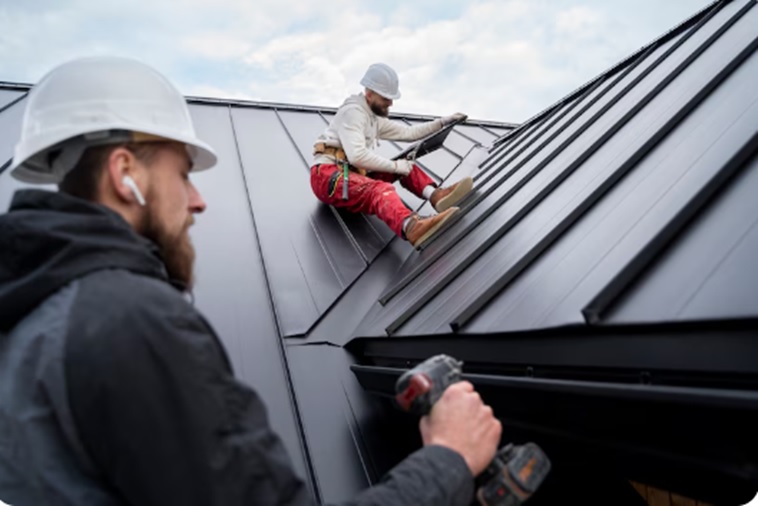
- Metal roofing: Durable and energy-efficient with a modern look.
- Clay or concrete tiles: Often found in warmer climates for their heat resistance.
- Wood shakes or shingles: Stylish but require more maintenance.
Commercial roofing, especially for flat roofs, often uses materials designed for large surface areas and durability:
- Built-up roofing (BUR): Layers of tar and gravel for strength and waterproofing.
- Modified bitumen: Asphalt-based material reinforced with fiberglass or polyester.
- EPDM (rubber roofing): Known for its long lifespan and ease of maintenance.
- TPO or PVC membranes: Lightweight, energy-efficient, and commonly used on modern commercial buildings.
Each material has its pros and cons in terms of installation time, durability, and cost. The choice depends on climate, usage, and building type.
3. Building Codes and Regulations
Both residential and commercial roofing projects must comply with local building codes, but commercial projects often face stricter regulations. This is due to the larger size of the buildings and the increased risk to public safety if something goes wrong.
Commercial roofing codes may involve:
- Fire resistance standards
- Load-bearing capacity for rooftop equipment
- Energy efficiency requirements (especially for large office buildings)
- Stormwater runoff compliance
Residential roofing codes, while also important, are generally more straightforward and focused on:
- Proper ventilation
- Fire rating of materials
- Wind and impact resistance (especially in storm-prone areas)
Before any roofing project begins, permits and inspections are usually required. Knowing and following these codes can prevent costly delays or penalties down the line.
4. Installation Time and Complexity
Residential roofing jobs are often quicker to complete. A single-family home may only take a couple of days to re-roof, depending on weather and material availability.
Commercial roofing installations, due to their larger scale and complexity, can take weeks. Factors like working around rooftop units, adhering to detailed safety protocols, and coordinating with other contractors can add time to the project.
5. Costs and Maintenance
Residential roofing is generally more affordable upfront. Homeowners can expect lower labor and material costs, especially with widely available products like asphalt shingles.
Commercial roofing, while often more expensive initially, may offer longer lifespans and lower cost per square foot over time—especially with proper maintenance. However, commercial roofs typically require regular inspections, sealing, and repairs due to their exposure and flat design.
Final Thoughts
The differences between commercial and residential roofing go far beyond surface appearance. From materials and design to regulations and cost, each type of roofing comes with its own set of challenges and requirements. Whether you’re a homeowner or a business owner, understanding these key differences can help you make better decisions and plan your roofing project with confidence.
This post was written by a professional at Baypoint Roofing. Baypoint Roofing is a State-certified, insured, bonded, and licensed roofing contractor specializing in insurance restoration, storm damage repair, and expert roof inspections and installations. With over 25 years of experience, we proudly serve the entire state of Florida. Whether you need a complete roof replacement or precise repairs, our skilled team delivers unmatched quality and service. Trust Baypoint Roofing, roofing land o lakes fl, to protect your home or business with solutions that endure the Florida elements and exceed your expectations. Your satisfaction is our top priority.