

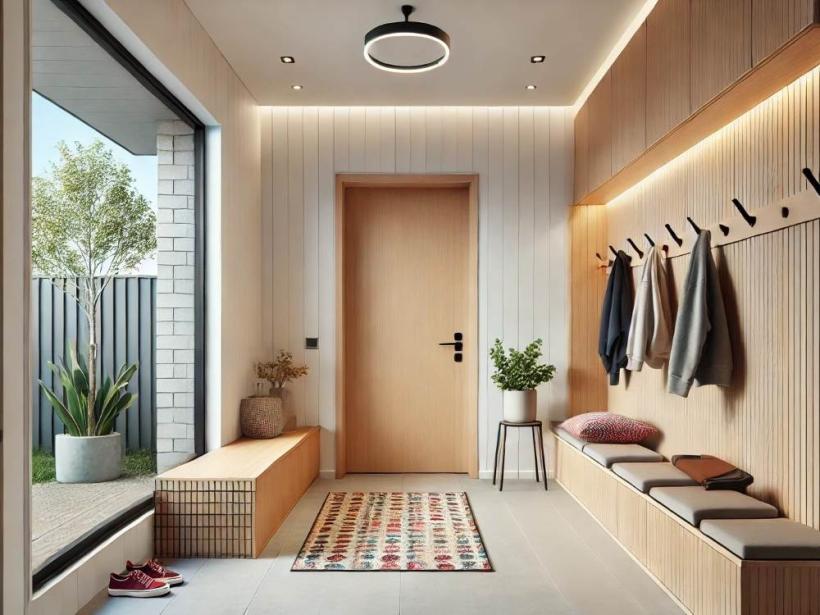
The entryway of a home bears a heavy burden. It serves as the transition zone between the chaotic outside world and the sanctuary of your living space. Without a deliberate organizational strategy, this high-traffic area quickly succumbs to a tidal wave of discarded shoes, overflowing backpacks, stray jackets, and seasonal gear.
A well-executed mudroom makeover transforms this functional bottleneck into a streamlined, visually appealing space that reduces daily stress. Whether you possess a dedicated mudroom, a small laundry room combination, or a tight corner by the back door, creative design choices can maximize storage and elevate your home’s aesthetic.
Assessing Your Entryway Needs
Before purchasing storage bins or tearing down drywall, you must analyze how your household actually uses the entryway. A successful makeover prioritizes custom functionality over generic design trends.
-
Analyze the Traffic: Consider who passes through the zone daily. Adults require different storage heights and capacities than young children or pets.
-
Identify the Clutter: Pinpoint the specific items that consistently pile up. If shoes are the primary culprit, you need a different strategy than if the main issue is loose mail and school papers.
-
Evaluate the Footprint: Measure your available square footage, ceiling height, and door clearance. Vertical space is often underutilized in tight entryways.
Strategic Layouts for Every Floor Plan
Not every home features a massive, dedicated mudroom. However, strategic layouts allow you to carve out an organized transition zone regardless of architectural limitations.
The Dedicated Built-In Wall
If you have a wide hallway or a specific mudroom wall, built-in cabinetry offers a seamless, high-end look. A classic configuration includes a central bench flanked by vertical lockers or cubbies. This layout assigns a specific zone to each family member, fostering accountability for keeping the space tidy.
The Closet Conversion
If you lack floor space but have a traditional reach-in coat closet near your entrance, consider removing the closet doors entirely. By stripping out the standard single rod and replacing it with a custom bench, open shelving, and coat hooks, you transform a dark closet into an open, accessible mudroom niche.
The Hallway Drop Zone
When space is limited to a narrow corridor, depth is your enemy. Opt for slim-profile furniture, such as a shallow console table or a wall-mounted flip-down shoe cabinet. Utilize the vertical wall space above the furniture for hooks and mirrors to maintain a clear walking path.
Essential Design Elements for a Functional Mudroom
An organized entryway relies on a combination of durable materials, smart storage configurations, and practical furniture choices.
Heavy-Duty Flooring
The mudroom floor endures moisture, mud, salt, and heavy foot traffic. Delicate hardwood or plush carpeting will quickly deteriorate. Instead, select resilient materials that are easy to clean.
-
Porcelain or Ceramic Tile: Highly durable and impervious to water. Opt for a textured finish to prevent slipping when wet, and use a dark grout to conceal dirt.
-
Luxury Vinyl Plank (LVP): Offers the warmth of wood with complete waterproof protection and scratch resistance.
-
Natural Slate: Provides a rugged, timeless look that naturally hides footprints and debris.
High-Functioning Mudroom Benches
A bench provides a comfortable spot to put on or remove footwear, but it should also double as storage. A flip-top bench offers deep storage for bulky blankets or sports equipment. Alternatively, an open-bottom bench allows you to slide boot trays or storage baskets underneath for quick access.
Smart Hook Systems
Hooks are the ultimate weapon against clutter because they require less effort than hanging a jacket on a clothes hanger. Install heavy-duty double hooks at multiple heights. Place lower hooks within easy reach of children for their backpacks and coats, while reserving higher hooks for adult outerwear and bags.
Creative Storage and Organization Solutions
True organization lies in the details. Once the structural components are in place, implement specific storage solutions to keep smaller items from creating visual chaos.
Categorized Basket Systems
Open shelving looks beautiful in design magazines, but in reality, it can look messy. Wire, wicker, or canvas baskets conceal the clutter while keeping items accessible. Assign specific baskets for distinct categories, such as winter accessories, sunscreen and hats, dog leashes, or reusable shopping bags.
Designated Shoe Management
Shoes are often the primary source of entryway chaos. Implement a multi-tiered approach to shoe storage.
-
Boot Trays: Place a lipped, waterproof tray near the door to catch wet or muddy footwear. Fill the tray with river stones to allow water to drain away from the shoe soles.
-
Cubby Systems: Give each family member a specific cubby that fits two to three pairs of daily-wear shoes.
-
Off-Season Storage: Store specialized footwear, like winter boots or summer sandals, in a separate closet or upper cabinets when not in use.
The Command Center
Incorporate a small communication hub within your mudroom to manage paper clutter before it enters the main living areas. Hang a whiteboard or chalkboard for family schedules, install a small mail sorter, and add a dedicated charging station for electronic devices.
Lighting and Aesthetic Upgrades
A mudroom should not feel like a sterile utility closet. Infuse style into the space to ensure it feels like an integrated part of your home.
Layered Lighting
Proper lighting ensures you can find your keys and check your appearance before heading out. Combine overhead ambient lighting, such as a flush-mount fixture or recessed cans, with task lighting. Under-cabinet LED strips or wall sconces flanking a mirror add both warmth and utility.
Durable Paint Finishes
Walls in an entryway are prone to scuffs, fingerprints, and water splashes. Avoid flat or matte paint finishes. Instead, choose a satin, semi-gloss, or eggshell finish in a premium, wipeable paint formula. If you prefer dark colors, they will hide scuffs well; if you choose light colors, ensure the surface can be scrubbed without degrading the paint.
Architectural Details
Elevate the design with woodwork. Shiplap, board and batten, or beadboard paneling adds visual interest and protects the walls from the daily impact of backpacks and heavy coats.
Visual Inspiration for Your Project
To help visualize your upcoming renovation, consider the clean lines, balanced storage, and bright aesthetic of a modern farmhouse mudroom configuration.
Frequently Asked Questions
How do I design a mudroom if my front door opens directly into the living room?
When you lack a separate entryway architectural boundary, you must create a faux mudroom using zoning techniques. Use a large area rug to visually define the entry space. Place a slender console table or a low bench backed by a stylish screen or bookcase perpendicular to the wall. This creates a physical barrier that mimics a hallway and establishes a clear drop zone for belongings without disrupting the flow of the living room.
What is the ideal height for installing mudroom coat hooks?
For adults, coat hooks should ideally be installed between 60 and 66 inches from the floor to accommodate long coats and bags without them dragging on the bench or ground. If you have children, install a second row of hooks at a height of 36 to 44 inches. This allows younger family members to independently hang up their own items.
How can I keep a mudroom smelling fresh despite wet gear and dirty shoes?
Air circulation and moisture control are critical for odor prevention. Avoid solid, closed cabinets for wet items; opt for open cubbies, wire baskets, or louvered cabinet doors that allow air to circulate. Clean boot trays regularly, and utilize moisture-absorbing packets or charcoal air-purifying bags in hidden corners. Selecting non-porous flooring and washable storage bins also prevents odors from trapping in the materials.
Is it better to have open storage or closed cabinets in a mudroom?
A balanced combination of both usually yields the best results. Closed storage, such as cabinets and drawers, is ideal for concealing seasonal clutter, bulky items, and mismatched gear that creates visual noise. Open storage, like hooks and open cubbies, is superior for daily-use items because it eliminates the extra step of opening a door, making it more likely that family members will actually use the storage system.
How can I make a small mudroom space feel larger?
To maximize a small footprint, utilize vertical space all the way to the ceiling with high shelves for less-frequently used items. Paint the walls and cabinetry a light, reflective color to open up the room. Hang a large mirror to bounce light around the space and create the illusion of depth, which also serves the practical purpose of allowing last-minute appearance checks.
What are some pet-friendly mudroom ideas?
If you have pets, the mudroom is the perfect place to integrate their needs. Consider building a dedicated pet feeding station with pull-out food bowls into the base of your cabinetry. You can also install lower hooks specifically for leashes and harnesses, a dedicated bin for pet toys, and a cabinet to store pet food and grooming supplies. If space permits, a low-profile dog washing station with a handheld showerhead can stop muddy paws right at the door.