

Understanding the Material Composition
To make an informed decision, you must first understand the structural engineering behind both options.
Asphalt Shingles
Asphalt shingles are multi-layered modules composed of a fiberglass base mat coated with asphalt waterproofing. The top layer is embedded with mineral granules that shield the asphalt from destructive ultraviolet (UV) rays and provide color. They are available in three primary categories:
-
Three-Tab Shingles: Strip-like shingles featuring cutouts that form three individual tabs. They are thin, economical, and offer basic weather protection.
-
Architectural Shingles: Also known as dimensional shingles, these feature laminated multiple layers to create depth, simulating the look of natural wood shake or slate. They are significantly thicker and more durable than three-tab variants.
-
Premium Luxury Shingles: Top-tier fiberglass options designed to mimic old-world slate tiles, providing heavy-duty wind resistance and premium multi-dimensional aesthetics.
Metal Roofing
Residential metal roofs are engineered from high-grade steel, aluminum, copper, or zinc. Steel options are typically hot-dip coated in zinc (galvanized) or an aluminum-zinc alloy (galvalume) to prevent oxidation and rust. Metal roofing comes in two primary installation designs:
-
Exposed Fastener Panels: Corrugated panels overlapping one another and screwed down directly into the roof deck from the outside. The screw heads remain visible and rely on rubber washers to seal the puncture holes.
-
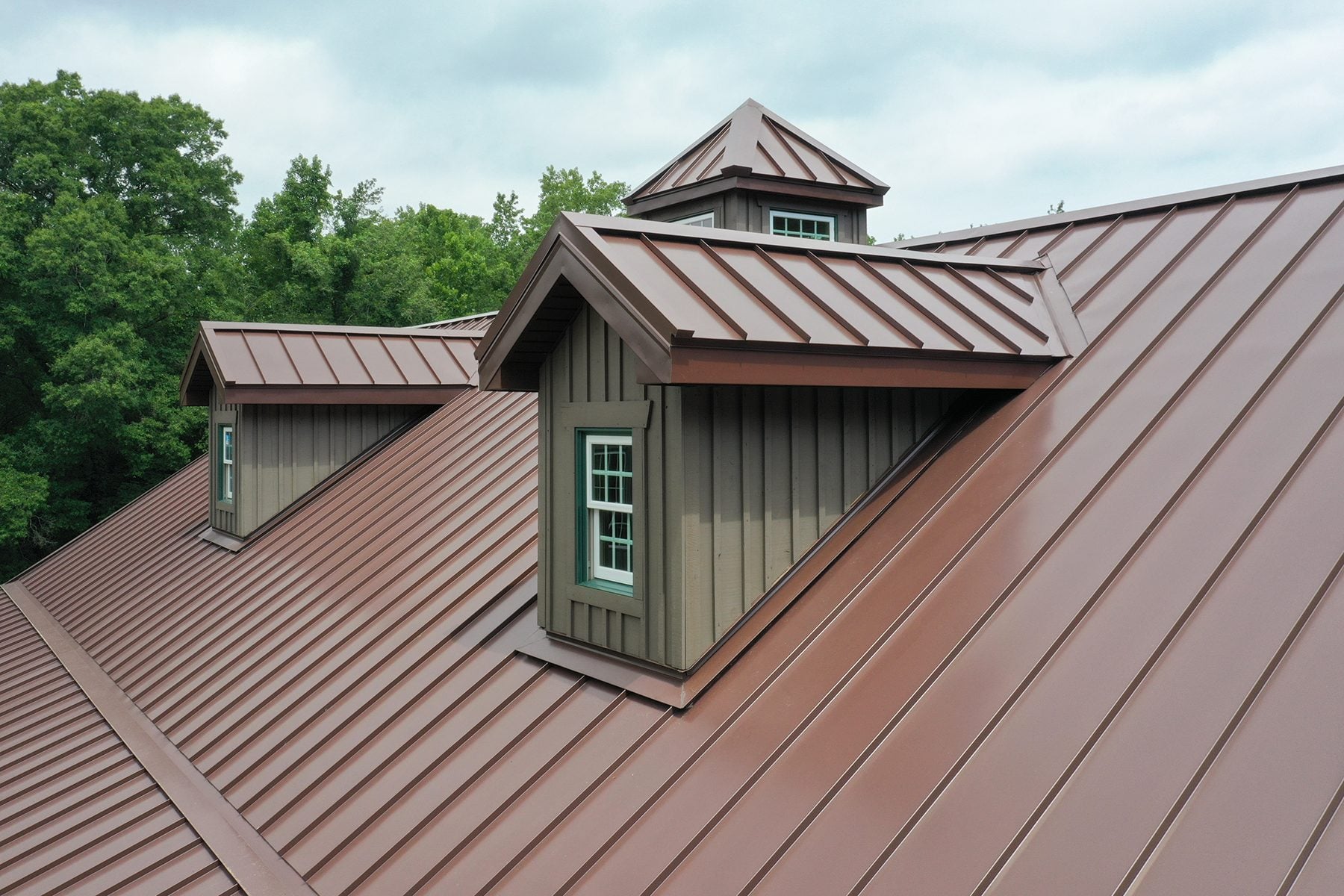
Standing Seam Panels: A premium architectural system featuring interlocking vertical panels joined together by hidden fasteners beneath raised seams. This design entirely eliminates exposed puncture points on the metal surface, offering maximum leak protection.
Lifespan and Overall Longevity
The single greatest differentiator between these two systems is their life cycle duration.
Asphalt shingles have a predictable, finite lifespan. Three-tab shingles generally last twelve to twenty years, while high-quality architectural shingles can survive twenty to thirty years under ideal climate conditions. Over time, heat expansion, freezing temperatures, and sun exposure cause shingles to dry out, lose protective granules, curl, and crack, eventually requiring complete removal and replacement.
Metal roofing is fundamentally built to last a lifetime. A properly installed standing seam steel or aluminum roof routinely lasts forty to seventy years. It is completely impervious to drying out, rot, insect damage, and mildew growth. For many homeowners, installing a metal roof is the last roofing project they will ever have to execute on their property.
Weather Resistance and Performance Dynamics
Your roof is your home first line of defense against severe weather anomalies. Both materials respond differently to environmental stress.
High Winds and Severe Storms
Standard architectural shingles carry wind ratings up to 110 to 130 miles per hour, provided they are nailed down correctly. However, a severe windstorm can catch the edge of aged or lifting shingles, tearing them off the roof deck and exposing the underlayment to torrential rain.
Metal roofing panels are highly resistant to wind damage because they are interlocking and physically anchored to the roof structure. Many standing seam systems are engineered to withstand uplift pressures from winds exceeding 140 miles per hour, making them a preferred choice in hurricane-prone coastal regions.
Hail Impacts and Debris
Hail storms present unique problems for both materials. Heavy hail impacts can knock the protective mineral granules off asphalt shingles, bruising the asphalt underneath and creating micro-fractures that invite leaks.
Metal roofs are highly shatterproof and will not crack when struck by hail. However, soft metals like aluminum or thin-gauge steel can suffer aesthetic denting from large hailstones. While these dents rarely compromise the structural integrity of the roof, they can impact visual appearance.
Fire Resistance
Metal roofing naturally holds a Class A fire rating, the highest possible safety classification. Metal will not catch fire from stray sparks or wind-blown wildfire embers. Asphalt shingles can also achieve a Class A rating when paired with specific fire-resistant underlayment materials, but the asphalt compound itself is inherently oil-based and less flame-retardant than metal.
Visual Design and Curb Appeal
A roof can constitute up to forty percent of your home visible exterior, making style an essential variable.
Asphalt shingles offer a traditional, cozy American aesthetic that complements almost any architectural style, from colonial to craftsman homes. They come in a vast assortment of earthy color blends, textures, and shadowing profiles that can easily match local neighborhood association guidelines.
Metal roofing offers a sleek, modern, and minimalist look characterized by clean vertical lines. It is exceptionally popular for modern farmhouses, contemporary estates, and industrial-style designs. Metal is available in an expansive array of vivid factory-applied finishes utilizing Kynar paint coatings, which retain their vibrant color pigments for decades without fading.
Energy Efficiency and Environmental Sustainability
Modern roofing choices play a significant role in lowering your residential carbon footprint and reducing monthly utility bills.
-
Solar Heat Reflection: Asphalt shingles act as thermal sponges. They absorb solar radiation and retain heat, transferring that thermal energy down into your attic space and forcing your air conditioning system to work harder during hot summer months.
-
Cool Roof Technology: Metal roofs are naturally reflective. They bounce solar radiant heat away from the home structure. Furthermore, painted metal panels utilize reflective pigments that re-emit absorbed heat efficiently, reducing summer cooling costs by up to ten to twenty-five percent.
-
Recyclability Factors: Asphalt shingles contribute millions of tons of heavy petroleum-based waste to landfills across the nation every single year. Conversely, metal roofs are constructed with thirty to sixty percent recycled content and are one hundred percent recyclable at the end of their lifecycle, making them the greener option.
Up-Front Budget Allocations vs. Long-Term Value
The financial comparison between these two materials requires balancing short-term affordability with long-term asset appreciation.
Asphalt shingles are significantly cheaper to purchase and install up front, making them the default choice for budget-conscious homeowners or individuals planning to sell their property within five to ten years.
Metal roofing is a premium tier product, costing two to three times more than standard architectural shingles. The installation process requires highly specialized tradespeople, precise layout tools, custom metal bending brakes, and detailed flashing integration. However, because a metal roof lasts three times longer, eliminates recurring repair fees, lowers energy costs, and can lower your homeowner insurance premiums, its lifetime cost is often lower than replacing an asphalt roof multiple times.
Frequently Asked Questions
Is a metal roof significantly louder than asphalt shingles when it rains?
No, a properly installed residential metal roof is not noticeably louder than an asphalt shingle roof. The misconception of a noisy metal roof stems from commercial barns or sheds that lack insulated attic spaces. In a residential home, the metal panels are installed over a solid wood roof deck, a thick layer of synthetic underlayment, and a fully insulated attic space. This structural barrier dampens sound vibrations, ensuring heavy rain sounds like a soft background murmur inside the living space.
Can a metal roof be installed directly over existing asphalt shingles?
Yes, in many jurisdictions, a metal roof can be installed directly over a single layer of existing asphalt shingles using a system of wood strapping or furring strips. This approach saves homeowners the labor and disposal fees of a complete tear-off while providing an extra layer of insulation. However, you must first verify that your roof deck is free of underlying structural wood rot and confirm that local building codes permit a two-layer roofing configuration.
Does a metal roof attract lightning strikes during severe thunderstorms?
No, a metal roof does not increase your home probability of being struck by lightning. Lightning is attracted to the highest geographic point in an area, regardless of the material composition. However, if a home is struck, a metal roof is actually safer than an asphalt roof because metal is a non-combustible electrical conductor that safely dissipates the electrical charge across the structure without catching fire.
How does winter weather and heavy snowfall affect a metal roof versus shingles?
Metal roofs excel in heavy snow regions because their smooth, low-friction surfaces allow snow and ice buildup to slide right off, preventing dangerous heavy weight loads from straining the rafters. To prevent sudden sheets of snow from sliding off and damaging gutters or landscaping below, contractors install specialized metal snow guards. Asphalt shingles hold onto snow due to their rough texture, which can increase the risk of ice damming if your attic is poorly ventilated.
What is oil canning, and does it affect the performance of a metal roof?
Oil canning is a visual phenomenon characterized by wavy, wrinkled, or distorted appearances on the flat areas of metal panels. It is caused by internal stress within the metal material itself or thermal expansion and contraction movements. Oil canning is strictly a cosmetic issue and does not represent a structural defect or diminish the waterproof performance of the roof. It can be minimized by selecting heavy-gauge metal, using matte finishes, or choosing panels with striations or ribs.
How difficult is it to repair an asphalt shingle roof compared to a metal roof?
Asphalt shingles are incredibly easy and cost-effective to patch or repair. If a single shingle cracks or blows off, a roofer can simply pry up the surrounding nails, slide the damaged shingle out, and seal a new one in place within minutes. Repairing a metal roof is far more complex. Because the panels are large and interconnected, replacing a damaged standing seam panel often requires un-seaming an entire section of the roof, which requires specialized professional labor and higher material costs.