

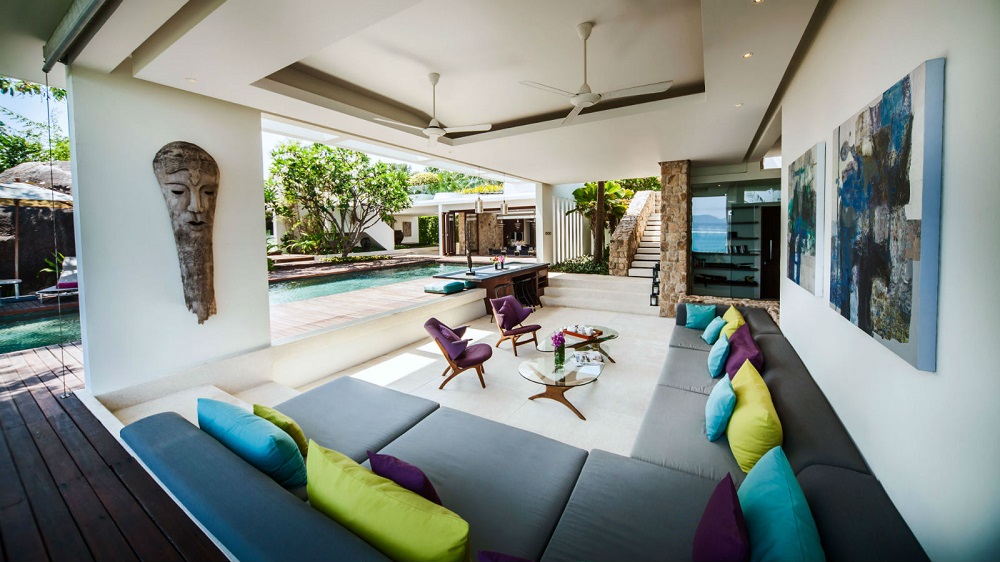
A high-end island home needs more than attractive furniture and expensive finishes. Good luxury villa interior design in Samui should respond to the climate, views, lifestyle, architecture and the way people actually move through the property day to day.
The Setting Should Guide The Design
A villa in a tropical setting has different needs from a city apartment or a cooler-climate home. Light, heat, humidity, sea air and outdoor living all influence the design choices. Materials need to be suitable, spaces need to breathe, and the connection between indoor and outdoor areas should feel natural rather than forced.
Views are often one of the strongest features of a villa, but they need to be handled carefully. Furniture placement, window treatments, lighting and room orientation should enhance the view without making the space feel exposed or uncomfortable. A room that looks beautiful in daylight should still feel calm and usable in the evening.
The best designs do not fight the setting. They use it. Natural textures, considered shading, relaxed circulation and carefully chosen materials can help the home feel rooted in its environment.
Comfort Matters As Much As Style
Luxury is not only about visual impact. A home may look impressive in photographs but still feel awkward if seating is uncomfortable, storage is poor or the layout does not support daily living. The design should make the property easier to enjoy, not harder to maintain.
This is particularly important in holiday homes and rental villas. Guests need spaces that feel intuitive. Bedrooms should be restful, bathrooms should be practical, living areas should encourage gathering, and outdoor spaces should feel easy to use throughout the day. A design that looks too delicate or complicated can quickly become frustrating.
Comfort also includes temperature, lighting and acoustics. Soft furnishings, ceiling fans, suitable fabrics and layered lighting can all make a difference. The most successful villas feel polished without losing warmth.
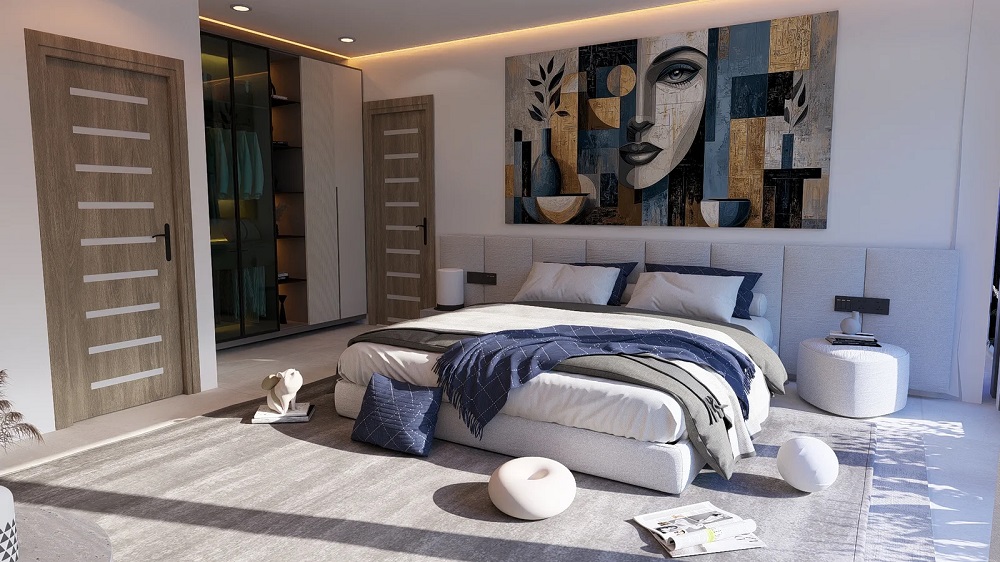
Materials Need To Be Chosen Carefully
Tropical properties need materials that can cope with real conditions. Humidity, sunlight, salt air and regular use can affect wood, fabrics, metals and finishes. Choosing unsuitable materials may lead to fading, swelling, corrosion or early wear.
This does not mean the design has to be plain or overly practical. It means quality and suitability need to work together. Outdoor fabrics, durable timber, stone, ceramics, treated metals and breathable materials can all contribute to a design that lasts.
Maintenance should also be considered. A private residence, managed rental villa and occasional holiday home may each need a different approach. The design should reflect who will use the property, how often it will be occupied and how easily it can be cared for.
A Strong Design Feels Effortless
The best villa interiors often feel simple, but that simplicity is usually the result of careful planning. Colours, textures, furniture scale, lighting, storage and outdoor connections all need to work together.
A good design should support the rhythm of island living. It should make mornings feel open and calm, afternoons comfortable and shaded, and evenings relaxed. When the setting, materials and lifestyle are all considered properly, the finished home feels natural, comfortable and quietly refined.