

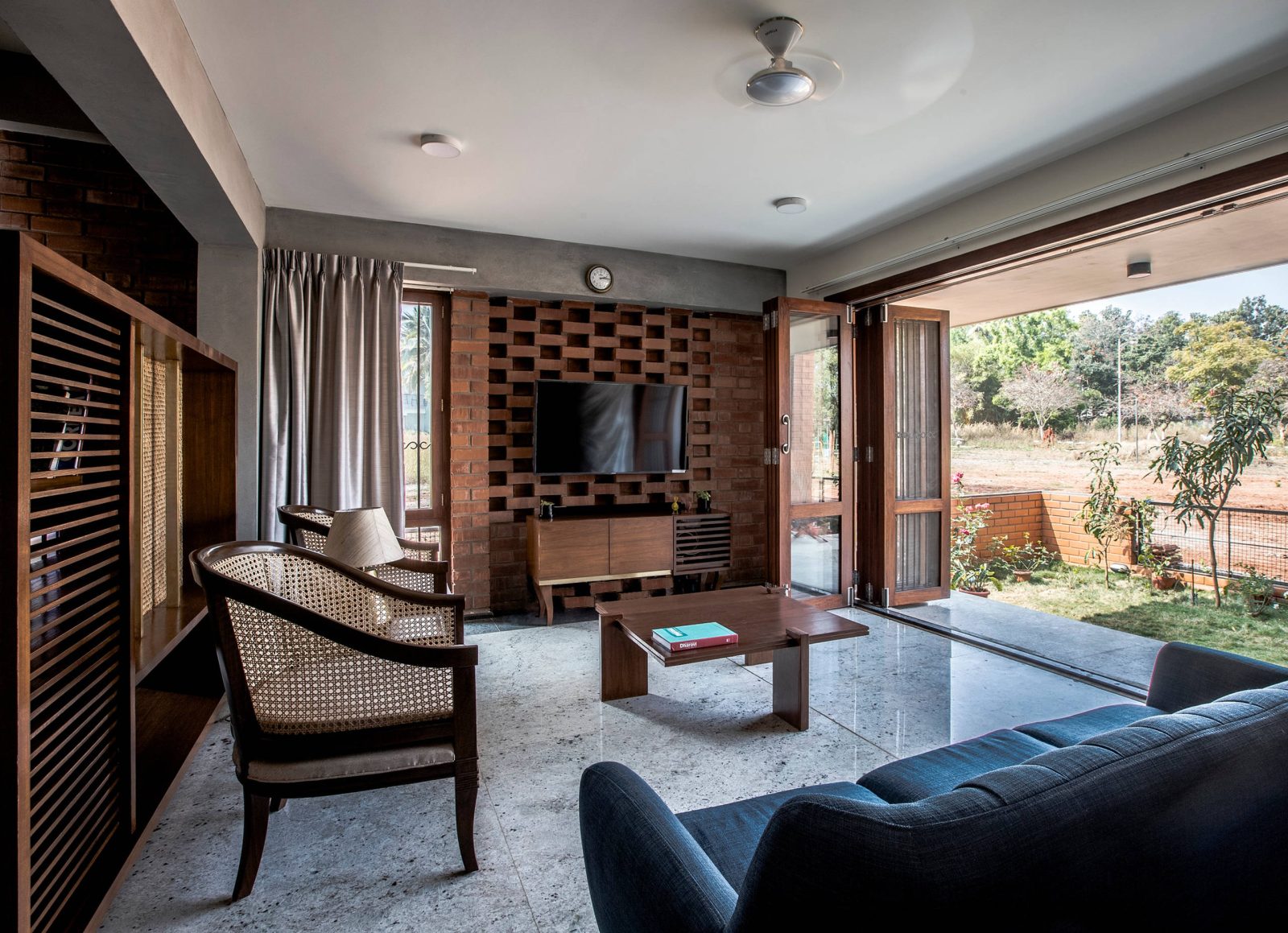
When you’re buying wooden furniture for your living or dining room, think about how it will look with the pieces you’re keeping. A new dining chair might need to work with an older table, or a side table with a favourite sofa. You can mix different woods and styles if there’s something about their colour or shape that looks good together.
Start by taking photographs of the room in daylight, including the floor and any large wooden pieces you’re keeping. If you can borrow finish samples, put them beside the furniture at home. The surroundings affect how you see a colour, and a sample gives you something more useful to compare than a wood name alone.
The simple shapes found in Scandinavian design furniture can work well with older pieces, particularly when you pay attention to their proportions and materials. A light wooden chair can sit beside a more substantial table, while a darker cabinet can give a room some contrast. Looking at the pieces together is more helpful than deciding from separate product photographs.
Oak and walnut, for example, each vary in colour and grain. The finish changes their appearance too, so two pieces described as oak may look quite different. That variation is part of working with a natural material. If you’re buying more than one piece, ask to see examples of the finish rather than expecting every board to have the same markings.
Look for a connection without matching everything
You can link different pieces through their shapes as well as their colours. A chair with a curved back can look good beside a table with rounded edges. If your sofa has a slim frame, a side table with similarly slender legs can suit it, even if the wood is a different colour.
You can repeat a wood tone elsewhere in the room if a new piece looks rather isolated. A shelf or picture frame may be enough. There’s no need to buy another large item simply to create a pair, especially when you like the furniture you already have.
Textiles can help too. A plain rug beneath a wooden table can separate it visually from the floor, while a cushion on a chair can pick up a colour from the sofa beside it.
Think about size before becoming too attached to a finish. A dining chair needs to fit beneath the table, and its arms should leave enough room for you to sit comfortably. Measure your table height before going to try new chairs. Mark out the footprint of a cabinet or table on the floor if you’re unsure how much space it will take up. Walk around it as you normally would.
Remember that new and older wood may continue to change colour. Exposure to daylight and the finish affect how a surface ages, so a new piece may not keep exactly the colour it had in the showroom. If you’re trying to get a close match with something you own, ask how that particular wood and finish are likely to change.