

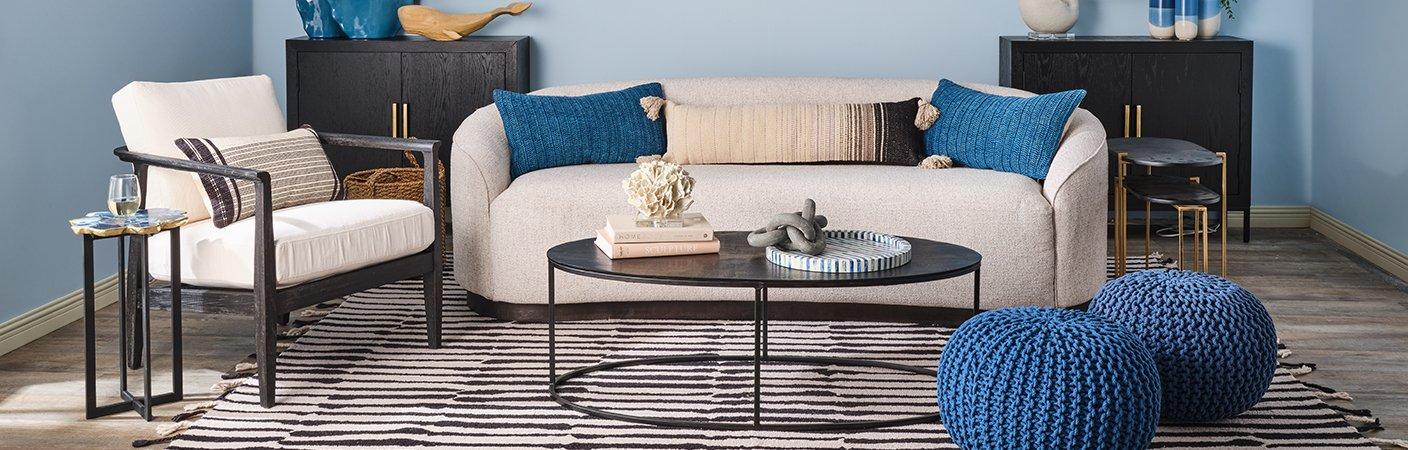
Furniture is not merely an item within a home; it is an essential aspect of the living experience. Beyond its functional purpose of providing comfort and utility, furniture plays a pivotal role in shaping the aesthetic and ambiance of a space. From the elegant lines of a vintage armchair to the minimalist beauty of a modern sofa, the choices we make in furniture can reveal much about our personal tastes and how we live. In this article, we explore the art and science behind selecting and curating furniture, emphasizing how it combines form, function, and individuality to create spaces that are not only livable but inspiring.
The Dual Nature of Furniture: Functionality Meets Aesthetic
The first and most apparent consideration when choosing furniture is functionality. It must serve its primary purpose—be it for sleeping, sitting, eating, or storage. However, in today’s world, where form often blends with function, furniture transcends simple utility and becomes a vehicle for personal expression. A well-designed piece of furniture serves its practical purpose while contributing to the overall ambiance of the room. Take, for example, the humble dining table. While its function is clear—to be a surface for meals—its design can elevate the atmosphere of the entire dining area. A sleek, glass table can bring a modern, airy feel, while a rustic wooden table can introduce warmth and comfort, evoking a sense of tradition.
Similarly, seating choices influence both the mood and functionality of a room. A well-placed armchair might become a haven for relaxation, inviting you to sit with a book or enjoy a quiet conversation. But it can also be a statement piece—whether that’s through bold color, unique fabric, or an interesting design. The choice of furniture, in this regard, speaks volumes about how we want to experience our homes, and what functions we wish to emphasize.
The Evolution of Furniture: A Reflection of Culture and Time
Furniture is often an intricate reflection of the era in which it was designed. In this way, pieces from various periods tell stories of cultural shifts, technological advances, and aesthetic trends. The opulence of Rococo furniture, for instance, speaks to a time of extravagance and ornamentation, with its ornate carvings and intricate details. Fast forward to the 20th century, and furniture design takes on a more minimalist, functional approach, as seen in the works of iconic designers like Charles and Ray Eames, who championed the idea that form should follow function.
Modern furniture design often seeks to strip away unnecessary ornamentation, focusing instead on clean lines, innovative materials, and functional efficiency. This movement toward minimalism can be seen in the rise of Scandinavian design, where furniture is functional but also beautiful, with an emphasis on natural materials and simple, elegant shapes. These pieces are designed not just for utility but to foster a sense of calm and simplicity within the home, allowing the user to engage with their surroundings without distraction.
In contrast, vintage and antique furniture evoke a sense of nostalgia and history. Each piece carries with it the fingerprints of the past, whether it’s an antique armoire passed down through generations or a mid-century modern lounge chair that once graced the living room of a postwar home. For many, incorporating vintage or antique furniture into a modern home offers a unique juxtaposition—blending the old with the new, creating a lived-in space that reflects both timeless elegance and contemporary style.
Material Choices: The Heartbeat of Furniture Design
The materials used in furniture production are not only integral to its durability and functionality but also contribute significantly to the piece’s overall aesthetic. Natural materials such as wood, leather, and stone bring an organic warmth and authenticity to furniture, often forming the backbone of timeless designs. Wooden furniture, whether it’s a polished walnut coffee table or a hand-carved oak bookshelf, can transform a space with its rich textures and colors. Wood, with its unique grain patterns, adds character and depth to each piece, making it inherently personal and unique.
Leather, on the other hand, offers an elegant, luxurious feel, often found in pieces like armchairs or sofas. It is a material that not only ages beautifully, developing a patina over time, but also provides exceptional comfort and durability. Leather furniture invites the touch—its smooth surface and supple texture offering a tactile experience that is hard to match with synthetic materials.
The rise of synthetic materials in recent decades, such as molded plastics and engineered wood, has made furniture more accessible and versatile. These materials are often more affordable and offer greater design flexibility. The use of these materials has resulted in the proliferation of minimalist, modular furniture that allows for easy customization, catering to the needs of smaller spaces or transient lifestyles.
In the quest for sustainability, there has been a growing interest in eco-friendly materials like bamboo, cork, and recycled fibers. Bamboo, in particular, has garnered attention for its rapid growth cycle and versatility, often being used in everything from furniture to flooring. These materials not only reduce environmental impact but also bring a sense of nature into the home, offering a contemporary yet environmentally conscious design solution.
The Impact of Color and Texture in Furniture Design
Color and texture are two of the most powerful tools a designer can use to influence the mood of a room. A vibrant, deep blue velvet sofa can infuse a living room with drama and elegance, while a neutral beige armchair can create a sense of calm and balance in a more tranquil setting. The choice of fabric also plays a significant role in both comfort and aesthetics. Plush, soft textures like velvet, chenille, or linen invite relaxation and create an inviting atmosphere, while more durable fabrics such as tweed or canvas can offer both functionality and a more casual look.
Texture, too, plays a vital role in bringing depth and dimension to a room. A leather chair in a living room might contrast beautifully with a soft wool rug, while a metal-framed coffee table can balance the tactile warmth of a wooden bookshelf. Layering different textures within a space creates an environment that is rich in sensory experiences, making the space feel dynamic and engaging rather than flat or one-dimensional.
Furniture as a Reflection of Personal Identity
One of the most beautiful aspects of furniture is its ability to reflect personal identity. The furniture you choose often says as much about your personality, lifestyle, and values as the clothes you wear or the art you hang on the walls. Whether you gravitate towards sleek, contemporary designs or enjoy the charm of vintage pieces, your furniture choices convey your aesthetic sensibilities, your approach to comfort, and even your taste for sustainability.
Incorporating personal style into furniture selection allows a home to become a true expression of its occupants. For example, a person who values functionality might opt for minimalist, modular furniture that adapts to their changing needs, while someone with a more eclectic taste might prefer mixing and matching vintage finds to create a curated, one-of-a-kind living space. The fusion of practicality with style ensures that furniture does not simply serve as a backdrop to life but becomes an active participant in the experience of home.
Conclusion: Furniture as the Backbone of a Beautiful Home
Furniture is much more than a collection of objects; it is an integral element in shaping the story of a home. Every piece serves both a practical and emotional purpose, contributing to the overall narrative of a space. Whether it’s the utilitarian elegance of a minimalist chair or the rustic charm of a reclaimed wood table, furniture helps define the personality and function of a home.
When chosen thoughtfully, furniture becomes more than just functional—it becomes a statement of who we are and how we live. By carefully selecting materials, colors, and designs that resonate with our tastes, we can create spaces that are not only beautiful but deeply meaningful. Furniture, in all its forms and styles, helps us craft the environments where we live, relax, work, and dream—a true testament to the art of living well.