

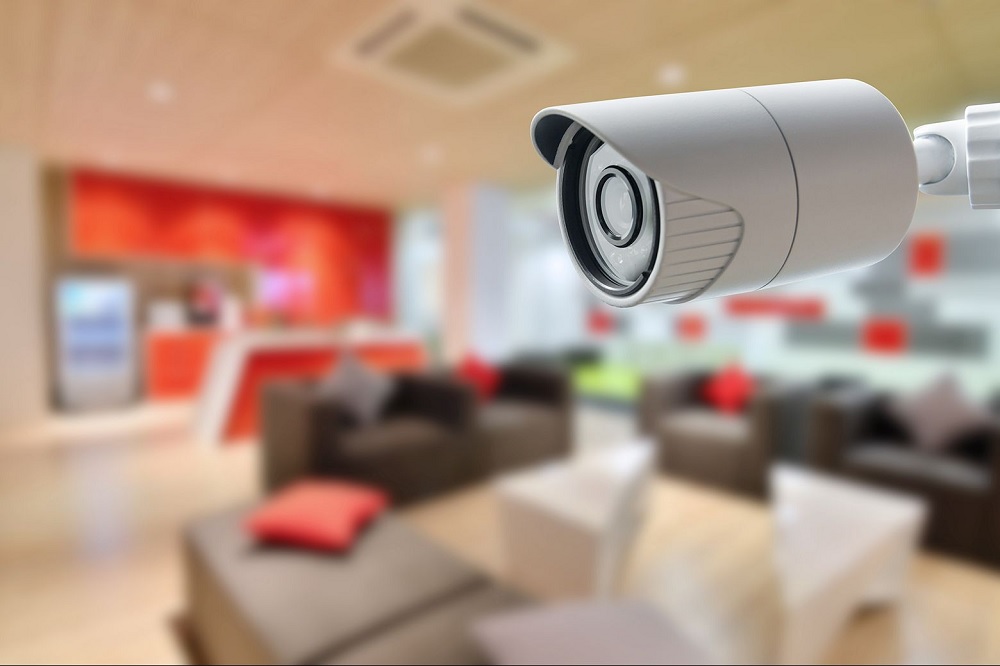
When it comes to protecting your property, whether it’s your home, office, or business establishment, one of the most effective ways to enhance security is by installing a CCTV camera system. The sheer presence of surveillance cameras can act as a deterrent to potential criminals while offering peace of mind to property owners. However, with so many types and features available, selecting the right CCTV system for your needs can be a challenging task. Understanding the various components, features, and considerations can help you make an informed decision that ensures your property is effectively protected. This article delves into the essential factors to consider when choosing the right CCTV camera system for your property.
1. Assess Your Security Needs
The first step in selecting the right CCTV system is understanding your specific security requirements. Consider the size and layout of your property, as well as the type of security risks it faces. For example, if you own a large commercial property, you may require multiple cameras to cover various entry points, parking lots, and common areas. On the other hand, a residential property may need fewer cameras, but it is still important to ensure that the system covers key areas such as front and back entrances, driveways, and any potential blind spots.
You should also consider the type of surveillance you require. Are you interested in monitoring activities during the day, or do you need to secure your property around the clock, including at night? Your needs will influence the features you should prioritize, such as low-light capabilities and motion detection.
2. Understand Different Types of CCTV Cameras
There are various types of CCTV cameras available, each designed to serve specific functions. Here are some common types to consider:
- Dome Cameras: These are compact cameras often installed on ceilings and provide a 360-degree view. Their discrete design makes them suitable for both indoor and outdoor use. Dome cameras are often used in retail spaces or areas where a subtle surveillance presence is desired.
- Bullet Cameras: These are long, cylindrical cameras that typically provide a more focused, long-range view. Bullet cameras are often used for monitoring specific areas, such as driveways or entrances, due to their adjustable focal lengths and weatherproof designs.
- PTZ (Pan-Tilt-Zoom) Cameras: PTZ cameras are capable of remotely adjusting their direction and zoom. These cameras are ideal for monitoring large, open areas or when you need to capture detailed footage from various angles. PTZ cameras are often used in both residential and commercial settings, particularly in areas that need extensive coverage.
- C-Mount Cameras: These cameras have detachable lenses, allowing you to customize the field of view and zoom levels. C-Mount cameras are typically used in environments that require specialized surveillance, such as warehouses or large industrial areas.
3. Consider Camera Resolution and Image Quality
The resolution of your CCTV cameras is crucial to ensuring clear and accurate footage. Higher resolution cameras will produce more detailed images, which can be essential for identifying faces or license plates in case of an incident. Common resolutions include:
- 720p (HD): Suitable for general surveillance needs, providing decent image quality for basic monitoring.
- 1080p (Full HD): Offers higher image clarity, ideal for capturing important details in medium to large areas.
- 4K (Ultra HD): If you need the highest level of detail for large properties or high-risk areas, 4K resolution provides incredibly sharp images, making it easier to identify individuals or objects even from a distance.
Choosing the right resolution depends on your needs. While 4K cameras offer the best image quality, they can be more expensive and may require additional storage. For most properties, 1080p resolution offers a good balance of quality and affordability.
4. Evaluate Storage Options
CCTV systems generate large amounts of video data that need to be stored for future reference. When choosing a CCTV system, it is important to consider the storage options available:
- Cloud Storage: Some CCTV systems allow you to store footage on the cloud. Cloud storage offers the benefit of remote access and ensures that your footage is safe from physical damage. However, there are recurring costs associated with cloud storage plans, and internet connectivity is required for live streaming and accessing footage.
- Local Storage: Local storage options, such as Network Video Recorders (NVRs) or Digital Video Recorders (DVRs), allow you to store footage directly on-site. These systems are generally more cost-effective and provide fast access to recorded footage. However, local storage can be vulnerable to theft or damage if the recording device is compromised.
When evaluating storage, ensure you choose a system that allows for adequate retention time, particularly if you need to store footage for legal or investigative purposes. Consider the amount of data generated daily and choose a storage solution that provides enough capacity to accommodate your needs.
5. Choose Between Wired and Wireless Systems
CCTV systems are available in both wired and wireless configurations, each with its pros and cons:
- Wired CCTV Systems: These systems are generally more reliable and offer better performance, as they are not affected by signal interference. However, they can be more challenging to install, especially in larger properties, as they require running cables throughout the property.
- Wireless CCTV Systems: Wireless systems are easier to install and are ideal for properties where running cables may be impractical. They rely on Wi-Fi or other wireless networks to transmit video footage, which can make them susceptible to signal interference or bandwidth limitations. Wireless systems are often favored for residential properties and smaller businesses.
The choice between wired and wireless systems largely depends on the size of your property and your specific installation requirements. If you have a large property with multiple cameras, a wired system may be the best option for stability and performance.
6. Look for Advanced Features
While basic CCTV systems provide the essential function of monitoring and recording, modern CCTV cameras come equipped with a variety of advanced features that enhance security and convenience. Some features to consider include:
- Motion Detection: Cameras with motion detection capabilities can alert you when they detect movement in their field of view, reducing the need for constant monitoring.
- Night Vision: Many CCTV cameras are equipped with infrared LEDs that allow them to capture clear footage even in low-light or complete darkness.
- Remote Access and Mobile Apps: Many CCTV systems now offer the ability to access live footage remotely through mobile apps, giving you the ability to monitor your property from anywhere in the world.
- Two-Way Audio: Some cameras come with built-in microphones and speakers, allowing you to communicate with visitors or intruders through the camera, even when you are not physically present.
7. Factor in Budget and Long-Term Costs
Lastly, when selecting a CCTV system, it’s important to consider both your initial budget and the long-term costs associated with installation, maintenance, and storage. While high-end systems may offer the best features and performance, they may also come with higher upfront and ongoing costs. Weigh your security needs against your budget to find a system that provides the best value for your investment.
Final Words
Choosing the right CCTV camera system for your property requires careful consideration of various factors, including the size of the property, the type of surveillance you need, the resolution of the cameras, and your budget. By thoroughly assessing your security requirements and understanding the available options, you can make a well-informed decision that will provide reliable and effective security for your property. Remember, the right CCTV system can not only deter crime but also offer peace of mind knowing that your property is being monitored by a sophisticated security solution.