

Building a home is an ambitious and exciting project, but it’s also one that requires careful planning, attention to detail, and realistic expectations. One of the most crucial aspects of a successful construction project is creating a well-organized timeline. A construction timeline not only helps keep the project on track but also ensures that all parties involved—contractors, designers, and homeowners—are aligned and prepared for each phase of the build. Creating a realistic timeline requires an understanding of various factors that can impact the construction process, from design approvals to weather delays. In this article, we will explore how to create a feasible and efficient timeline for your home construction project, ensuring that your dream home becomes a reality within a reasonable timeframe.
1. Establish Clear Project Goals and Priorities
Before diving into the specifics of a construction timeline, it’s important to establish clear goals and priorities for the project. What are your must-haves for the home? Do you have a particular style or design in mind? Are there specific features, such as sustainable materials or energy-efficient systems, that you want to incorporate? Defining these key elements early on will help guide the project and determine how long each phase of the build will take.
By knowing your priorities from the beginning, you can plan accordingly and avoid delays caused by last-minute changes or uncertainties. It’s important to be realistic about your desired features and budget, as more elaborate designs may require additional time for sourcing materials and coordinating specialized contractors.
2. Set a Budget and Stick to It
Budget and timeline are often intertwined in construction projects. A realistic budget helps dictate the pace and scope of the project, which in turn influences the timeline. If you’re working within a specific budget, it’s essential to align your timeline with the financial resources available. For instance, if you choose to opt for high-end finishes or custom designs, you may need to allocate additional time for sourcing materials or custom fabrication.
Your budget should also take into account contingencies—unexpected costs that can arise during the construction process. Allowing for a contingency fund will help ensure that the project doesn’t come to a halt due to unforeseen expenses, and will also help you manage the timeline with fewer disruptions.
3. Understand the Construction Phases
The construction of a home follows several key phases, and understanding how long each phase will take is crucial for creating a realistic timeline. While the duration of each phase can vary depending on the size and complexity of the project, most home builds will follow a similar order:
- Site preparation and foundation: This phase includes clearing the land, excavation, and pouring the foundation. It is often one of the most time-consuming phases, as it involves careful work to ensure the ground is properly prepared. A standard foundation may take anywhere from a few weeks to a month or more, depending on soil conditions and weather.
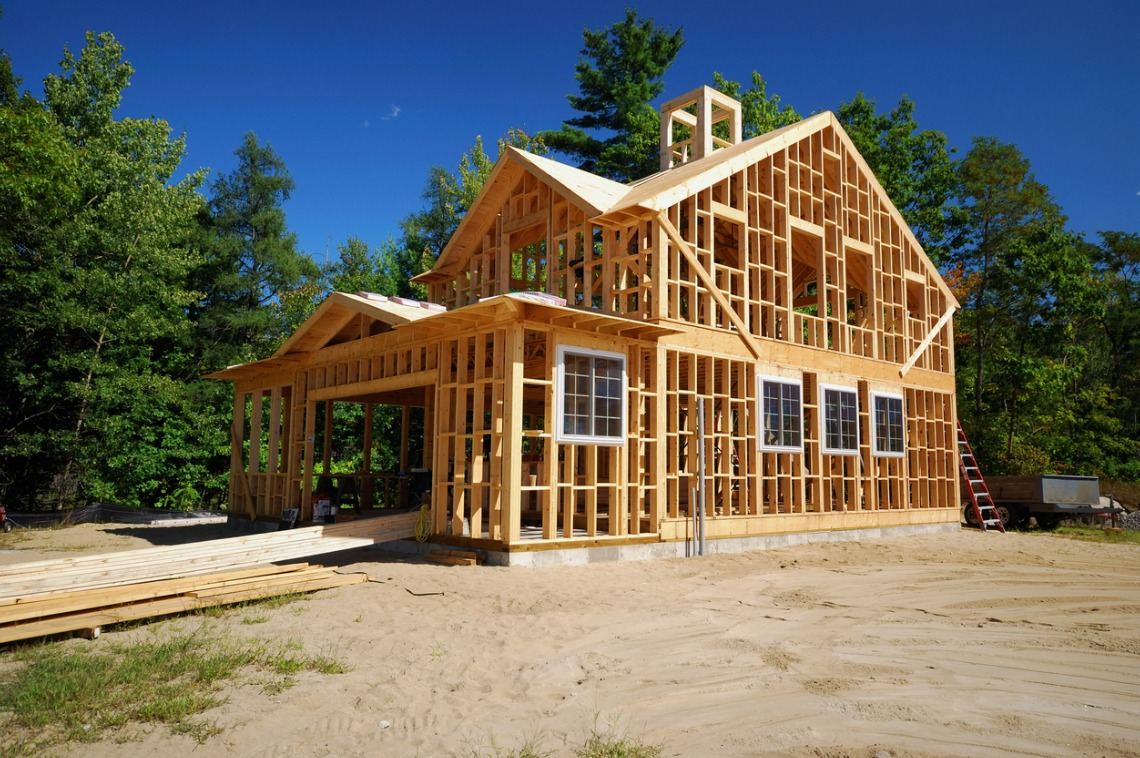
- Framing and structural work: After the foundation is complete, framing begins. This is when the skeleton of the house takes shape, including the walls, roof trusses, and floors. Framing can take a few weeks to a couple of months, depending on the size and complexity of the design.
- Plumbing, electrical, and HVAC installation: Once the framing is in place, essential systems such as plumbing, electrical wiring, and HVAC (heating, ventilation, and air conditioning) are installed. These systems are crucial to the functionality of your home and can take several weeks to complete.
- Exterior and interior finishes: After the essential systems are in place, attention shifts to the exterior and interior finishes. This includes roofing, siding, windows, drywall, painting, flooring, cabinetry, and more. Finishing work is often the longest phase of the build and can take several months to complete.
- Final inspection and move-in: Once the house is finished, it undergoes a final inspection to ensure that everything complies with local building codes and regulations. After passing inspection, you can move into your new home. This final phase can take anywhere from a few days to a week, depending on any last-minute adjustments or corrections needed.
Each of these phases requires careful coordination and time management. To avoid delays, make sure your builder or contractor is well-versed in the construction process and can offer a realistic estimate of how long each phase will take.
4. Allow Time for Permits and Approvals
One critical factor that many homeowners overlook when creating a construction timeline is the time needed to obtain permits and approvals from local authorities. Depending on where you are building, securing the necessary permits can take weeks or even months. These permits are essential to ensure that your construction complies with zoning laws, building codes, and safety regulations.
Work with your contractor to identify the permits required for your project and allow time for the approval process. This includes planning for any necessary inspections throughout the construction process, as some municipalities require periodic checks to ensure compliance. Failure to account for the time needed for permits can lead to significant delays, so it’s essential to factor this into your timeline from the outset.
5. Factor in Weather and Environmental Conditions
Construction timelines can be significantly impacted by weather conditions, especially if your project involves outdoor work. Rain, snow, extreme heat, or high winds can delay construction and extend the timeline. While it’s impossible to predict the weather with absolute certainty, it’s important to be prepared for potential delays due to environmental factors.
For example, if your home is being built in an area with a wet or snowy season, it’s crucial to account for the possibility of delays caused by unfavorable weather. Working with a contractor who is familiar with local conditions and has experience planning for weather-related delays can help you create a more realistic timeline.
6. Build in Contingency Time
No matter how well you plan, unexpected issues may arise during the construction process that could affect your timeline. Delays in material delivery, issues with contractors, or unforeseen complications with the foundation or systems can cause the project to be delayed.
To mitigate the impact of these issues, it’s wise to build in contingency time. By adding extra time to each phase of the project, you allow for the flexibility needed to handle delays without pushing back the final completion date. A good rule of thumb is to add a buffer of about 10-20% to your overall timeline to account for unforeseen circumstances.
7. Communicate Regularly with Your Contractor
Open and regular communication with your contractor is essential to maintaining a realistic timeline. As construction progresses, new issues may arise that require adjustments to the timeline. By staying in close contact with your contractor, you can address any potential delays or changes quickly and keep the project moving forward.
Make sure to set expectations for regular check-ins and progress updates throughout the construction process. This will help you stay informed and enable you to make timely decisions that keep the project on track.
8. Expect Delays, But Be Prepared
Despite the best planning, delays are often an inevitable part of the home construction process. Whether due to weather, supply chain issues, or unforeseen complications, it’s important to remain flexible and prepared for delays when they arise. By setting realistic expectations and maintaining open lines of communication, you can manage these delays effectively and ensure that your dream home is completed as smoothly as possible.
Creating a realistic timeline for home construction is an essential step toward ensuring a successful project. By understanding the various phases, accounting for permits and weather, and building in contingency time, you can create a timeline that sets your project up for success. With careful planning, clear communication, and realistic expectations, you’ll be well on your way to seeing your dream home come to life.