

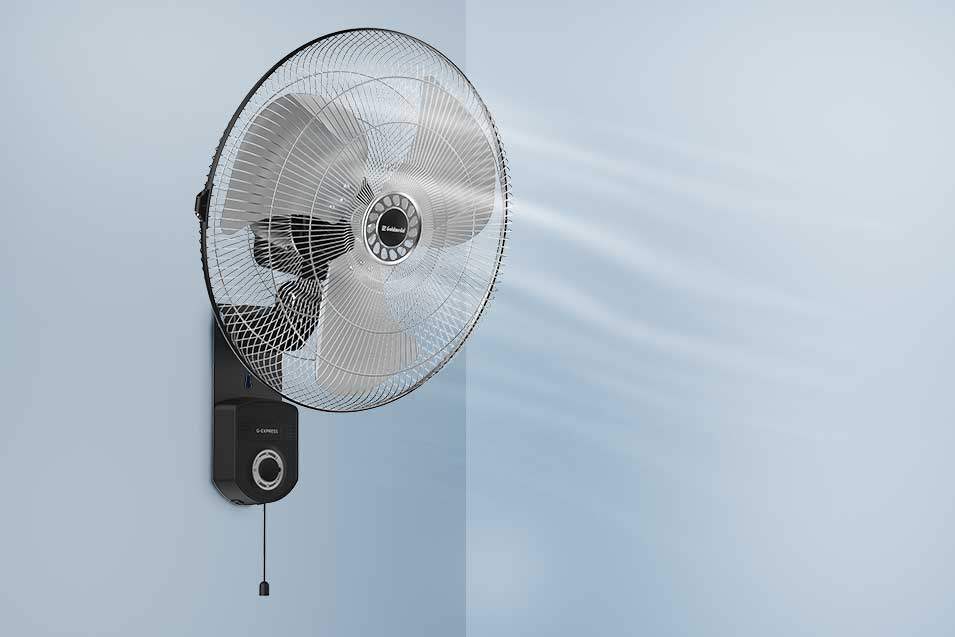
Wall fans have long been a popular choice for home and commercial spaces, offering efficient cooling at an affordable price. Over the years, the wall fan market has evolved significantly, driven by advancements in technology, changes in consumer preferences, and fluctuations in global economic conditions. Understanding the historical trends and market shifts in wall fan prices provides insight into why these appliances remain a staple in the cooling solutions market.
Historical Trends in Wall Fan Prices
The pricing of wall fans has seen steady fluctuations over the decades, influenced by a combination of technological advancements and manufacturing costs.
- Early 20th Century: Wall fans were a luxury item, primarily made of heavy metal components, making them costly and accessible only to the affluent.
- Mid-20th Century: With the advent of mass production techniques, wall fan price dropped significantly, making them affordable for middle-class households. Materials like lightweight plastics replaced metals, reducing manufacturing costs.
- Late 20th Century: The introduction of energy-efficient models and improved motor technology slightly increased prices but added long-term value through reduced energy consumption.
These historical price trends highlight the impact of innovation and production scalability on wall fan affordability.
Market Shifts Driving Price Trends
The wall fan market has undergone significant shifts in response to changing consumer preferences and market dynamics.
- Technological Advancements: Features such as remote control functionality, oscillation technology, and silent motors have increased the price range of wall fans while catering to modern consumer demands.
- Raw Material Costs: Fluctuations in the price of materials like plastic, copper, and aluminum directly affect manufacturing costs, which are passed on to consumers.
- Energy Efficiency Standards: With stricter energy efficiency regulations, manufacturers have introduced more advanced and efficient models, which sometimes come at a premium price.
- Global Economic Shifts: Currency exchange rates, import-export tariffs, and supply chain disruptions, such as those during the COVID-19 pandemic, have temporarily influenced wall fan prices.
- Increased Demand for Smart Features: Smart wall fans with app-based controls and IoT integration have gained popularity, driving up the price of advanced models.
- Focus on Energy Efficiency: Modern consumers prioritize energy-saving appliances, which has led to the introduction of higher-priced, energy-efficient wall fans.
- Growth in Emerging Markets: As demand for affordable cooling solutions grows in emerging economies, manufacturers have introduced budget-friendly options, stabilizing prices in lower-end segments.
- Sustainability Initiatives: The shift toward eco-friendly designs, including recyclable materials and energy-efficient components, has slightly increased prices in some segments while appealing to environmentally conscious buyers.
- Noise Reduction: Enhanced blade designs also contribute to quieter operation, a premium feature many consumers are willing to pay for.
- Import-Export Policies: In some regions, import duties on electrical appliances can significantly affect the final retail price of wall fans.
- Premium Branding: Wall fans from well-established or luxury brands often carry a higher price tag due to the perceived quality and trust associated with the brand.
These shifts demonstrate how the market adapts to meet the evolving needs and expectations of consumers. Understanding these factors helps consumers recognize why wall fan prices vary across models and brands.
Conclusion
The evolution of wall fan prices reflects the interplay of technological innovation, market dynamics, and consumer demands over time. From being a luxury item to becoming an essential and affordable appliance, wall fans have undergone significant changes to meet the needs of diverse markets.
As the market continues to adapt to trends like energy efficiency, smart technology, and sustainability, wall fan prices will remain competitive while offering even greater value to consumers. Whether you’re looking for a budget-friendly solution or a high-tech cooling option, the versatility of wall fans ensures there’s something for everyone.