

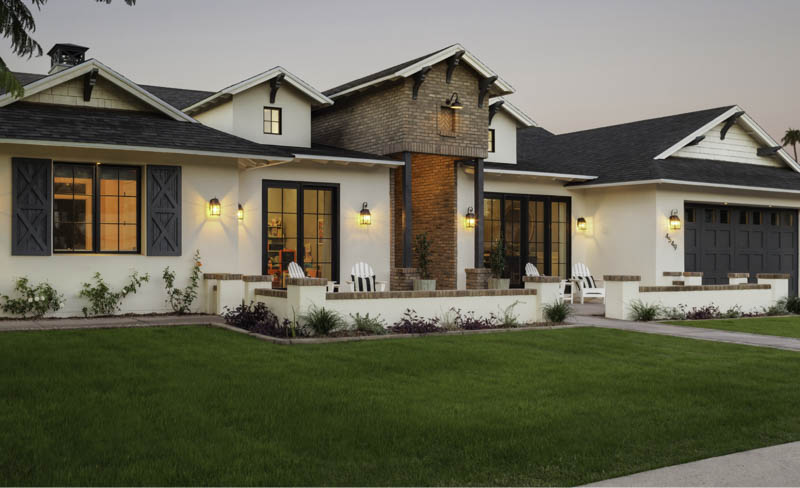
Building a luxury home is a complex, meticulous process that involves a significant financial commitment. From selecting the ideal location to choosing high-end materials, every decision influences both the design and the final cost of the project. Luxury homes, defined by their exceptional quality, unique features, and sophisticated design, are built to meet the highest standards of comfort, technology, and aesthetics. As such, understanding the cost factors involved in luxury home construction is essential for those considering such an investment. In this article, we explore the various elements that contribute to the cost of constructing a luxury home.
1. Land Acquisition and Location
The first and most significant factor influencing the cost of building a luxury home is the land itself. Premium locations, particularly those in exclusive neighborhoods, coastal areas, or scenic vistas, often come with a hefty price tag. The value of the land is driven not only by the aesthetics of the location but also by the desirability of the area in terms of privacy, accessibility, and proximity to key amenities like schools, shopping districts, and cultural institutions.
In addition to the land purchase cost, certain locations may also require additional investments in land preparation. This could include clearing the land, leveling uneven terrain, or even addressing challenges like soil quality, water drainage, or local building codes that impose stricter regulations. These factors can significantly raise the initial cost of your luxury home project.
2. Design and Architecture
When building a luxury home, one of the most influential cost factors is the design. Architectural designs for luxury homes are often custom-made to reflect the homeowner’s tastes, preferences, and specific requirements. This means hiring renowned architects and designers, which significantly adds to the overall cost.
A luxury home’s design often includes unique features such as expansive floor plans, vaulted ceilings, large windows, and open living spaces, all of which require careful planning and expertise to execute. The architectural style itself also affects costs—contemporary and minimalist designs may require different materials or construction techniques than more traditional or ornate styles. Custom details, such as elaborate staircases, intricate molding, or imported stone, can further drive up costs.
Additionally, the need for structural engineering to support complex designs or specialized features like cantilevered floors or rooftop gardens can contribute to a higher cost of construction.
3. Materials and Finishes
The selection of materials is another significant contributor to the high cost of luxury home construction. Luxury homes often feature high-quality, premium materials that are sourced from around the world. Whether it’s marble countertops, hardwood flooring, imported tiles, or custom cabinetry, these materials are usually much more expensive than those used in standard home construction.
For example, stone like granite, onyx, and marble are commonly used in luxury kitchens, bathrooms, and flooring, all of which are more expensive than the more commonly used materials in traditional homes. Additionally, finishes such as custom paintwork, designer lighting, and high-end plumbing fixtures contribute to the overall cost.
Exterior finishes, such as brick, stone, or custom woodwork, also tend to cost more in a luxury home. Some homeowners opt for unique and rare materials like reclaimed wood or artisan stone to ensure their home has a distinct and individual character, which can increase the material cost substantially.
4. Labor Costs and Expertise
Labor costs in luxury home construction are often higher than those for more conventional homes, largely due to the specialized skill set required for high-end craftsmanship. The process of constructing a luxury home often involves a team of highly skilled professionals, including general contractors, subcontractors, electricians, plumbers, masons, and carpenters who are experienced in working with premium materials and complex designs.
Moreover, due to the custom nature of the project, additional time and attention to detail are often required, which can lead to increased labor costs. For example, creating custom woodwork, intricate tile patterns, or working with specialized materials like glass and steel demands not only skilled labor but also additional time for precise installation.
In some cases, luxury home projects may involve the use of craftsmen or artisans who specialize in specific materials, such as custom wrought iron for gates and railings, glasswork for custom windows, or stained wood for bespoke cabinetry. These experts tend to command higher wages, further contributing to the overall labor costs.
5. Technology and Smart Home Features
Modern luxury homes often incorporate advanced technology and smart home systems, which significantly increase the cost of construction. Automation systems for lighting, temperature control, security, and audio-visual systems are commonly integrated into luxury properties. These systems are designed to provide convenience, security, and energy efficiency but come at a premium.
For instance, high-end audio systems, in-home theaters, and security systems with cameras, motion detectors, and smart locks require specialized installation. Additionally, luxury homes may feature climate control systems, such as radiant heating and cooling or geothermal energy systems, which are both energy-efficient and expensive to install.
Sustainability is another factor that contributes to both the cost and long-term value of a luxury home. Green technologies, such as solar panels, energy-efficient insulation, and water-saving fixtures, are becoming increasingly common in upscale homes. While these features can reduce utility bills over time, they require significant upfront investment.
6. Luxury Amenities
Luxury homes often include a wide range of high-end amenities designed to enhance the living experience. These can include:
- Swimming pools and hot tubs: Custom-designed pools, often with intricate tile work, waterfalls, and integrated heating systems, can add tens of thousands of dollars to the project cost. Additionally, outdoor living spaces featuring kitchens, bars, and fire pits also increase the overall investment.
- Home gyms and spa areas: Luxury homes frequently come with fully equipped home gyms, saunas, and spa bathrooms that feature large soaking tubs, steam rooms, and high-end fixtures. The installation and maintenance of these amenities require significant investment.
- Wine cellars: For wine enthusiasts, a luxury home may include a dedicated wine cellar with climate control systems, custom racking, and specialized lighting, all of which increase construction costs.
- Landscaping and exterior design: Landscaping in luxury homes extends beyond basic lawn care. Custom gardens, outdoor art, bespoke lighting, and advanced irrigation systems can be incorporated into the design, adding another layer of expense.
7. Time and Project Management
The timeline for luxury home construction is typically longer than standard projects. With custom designs, complex permits, and high-end materials, the construction process can span months or even years. Delays due to material availability, weather conditions, or intricate work on custom features can further lengthen the timeline, increasing both labor and material costs.
Effective project management is essential to ensure the process runs smoothly. Skilled project managers or general contractors are typically required to oversee all aspects of the construction, from coordinating teams to maintaining quality control, further increasing the cost of building a luxury home.
8. Permitting and Legal Requirements
Building a luxury home involves navigating a variety of legal and regulatory processes, which can add unexpected costs. Local zoning laws, building codes, and environmental regulations must be adhered to, often requiring permits or inspections that may increase the cost of construction. Additionally, homeowners may need to hire legal professionals to ensure compliance with all requirements, further increasing the cost of the project.
9. Unexpected Costs and Contingencies
Finally, luxury home construction often involves a margin for unexpected expenses. These can include unforeseen structural issues, changes in design during construction, or delays caused by supply chain disruptions. As such, it’s wise to include a contingency fund in your budget to account for these unpredictable costs, which can amount to 10-15% of the total project cost.
Final Considerations
Building a luxury home is a significant financial commitment, and understanding the various factors that contribute to the total cost is crucial for anyone embarking on such an endeavor. From land acquisition and architectural design to material selection and labor costs, every detail adds up to a final price that reflects the uniqueness and quality of the home being built. By carefully considering each element and working with experienced professionals, homeowners can ensure that their investment results in a stunning, personalized home that is built to last.