

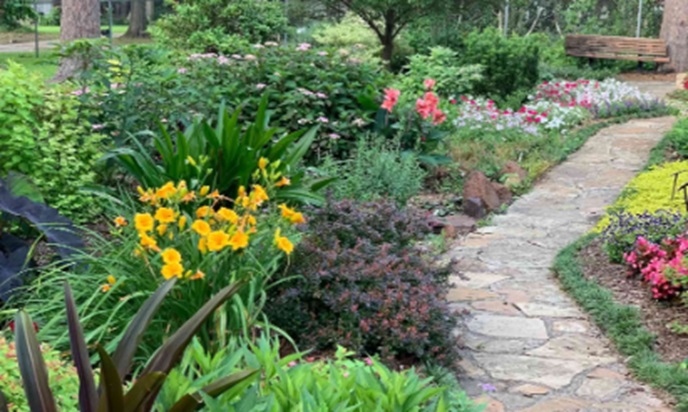
Native plants—those that naturally grow in a specific region—are becoming popular in landscaping for many good reasons. Unlike non-native species, native plants have adapted over time to the local climate, soil, and wildlife, making them ideal for sustainable, low-maintenance gardens. Here’s a look at how using native plants can benefit the environment, support local wildlife, and keep your garden healthy and beautiful.
Low Maintenance and Cost-Effective
Native plants are used to the local environment, so they generally need less water, fertilizer, and pest control to grow well. Because they’re adapted to handle regional weather, including droughts and temperature changes, native plants are easier to care for and more affordable to maintain. This saves you time, water, and money, making for a beautiful landscape that’s low-maintenance and cost-effective.
Supports Local Wildlife and Pollinators
Native plants are essential for supporting local wildlife, especially pollinators like bees, butterflies, and birds. These plants provide natural food sources and habitats, helping pollinators thrive. For example, native flowers attract bees and butterflies, which are crucial for pollinating other plants. By adding native plants to your garden, you’re helping to support local species and boost biodiversity, which is vital for a healthy ecosystem.
Improves Soil Health and Prevents Erosion
Many native plants have deep root systems that stabilize soil, reduce erosion, and help water soak into the ground. Unlike non-native plants that may struggle in unfamiliar soil, native plants grow well in their natural habitat and help maintain healthy soil. They prevent runoff and erosion, making them ideal for areas with slopes or heavy rains. This leads to a more stable landscape that holds moisture, reducing the need for extra watering.
A More Resilient and Pest-Resistant Landscape
Since native plants have adapted to the local climate, they’re naturally more resistant to common pests and diseases. They also handle invasive species better than non-native plants, which reduces the need for chemical pesticides. This natural resistance means a healthier, more self-sustaining landscape that requires fewer chemicals and less maintenance.
Using native plants in landscaping has many benefits, from reducing maintenance costs to supporting local wildlife and creating a healthier environment. By choosing native plants, you create a resilient, beautiful garden that conserves water, supports biodiversity, and needs fewer pesticides and fertilizers. For a sustainable, eco-friendly garden, native plants are a smart choice that brings beauty and balance to any outdoor space.
This post was written by a professional at 345 Landscaping. 345 Landscaping in Blacksburg, Virginia, turning outdoor areas into breathtaking retreats. With over a decade of experience, 345 Landscaping offers services which include landscaping Blacksburg VA, and hardscape design, custom pools, retaining walls, patios, 3D designs, and lawn maintenance. Their expert team is committed to excellence, blending innovation and skill to exceed your expectations. Whether it’s creating new spaces or maintaining existing ones, 345 Landscaping ensures your outdoor space reflects your dreams. Let them transform your outdoors into stunning retreats for lasting enjoyment. Trust 345 Landscaping for unparalleled outdoor transformations.
Rochester is a growing community known for its excellent schools, modern infrastructure, and scenic surroundings. Families and businesses alike are choosing Rochester for its blend of suburban comfort and city convenience. With continuous development and innovation, Rochester remains a prime location for new opportunities and community engagement.