

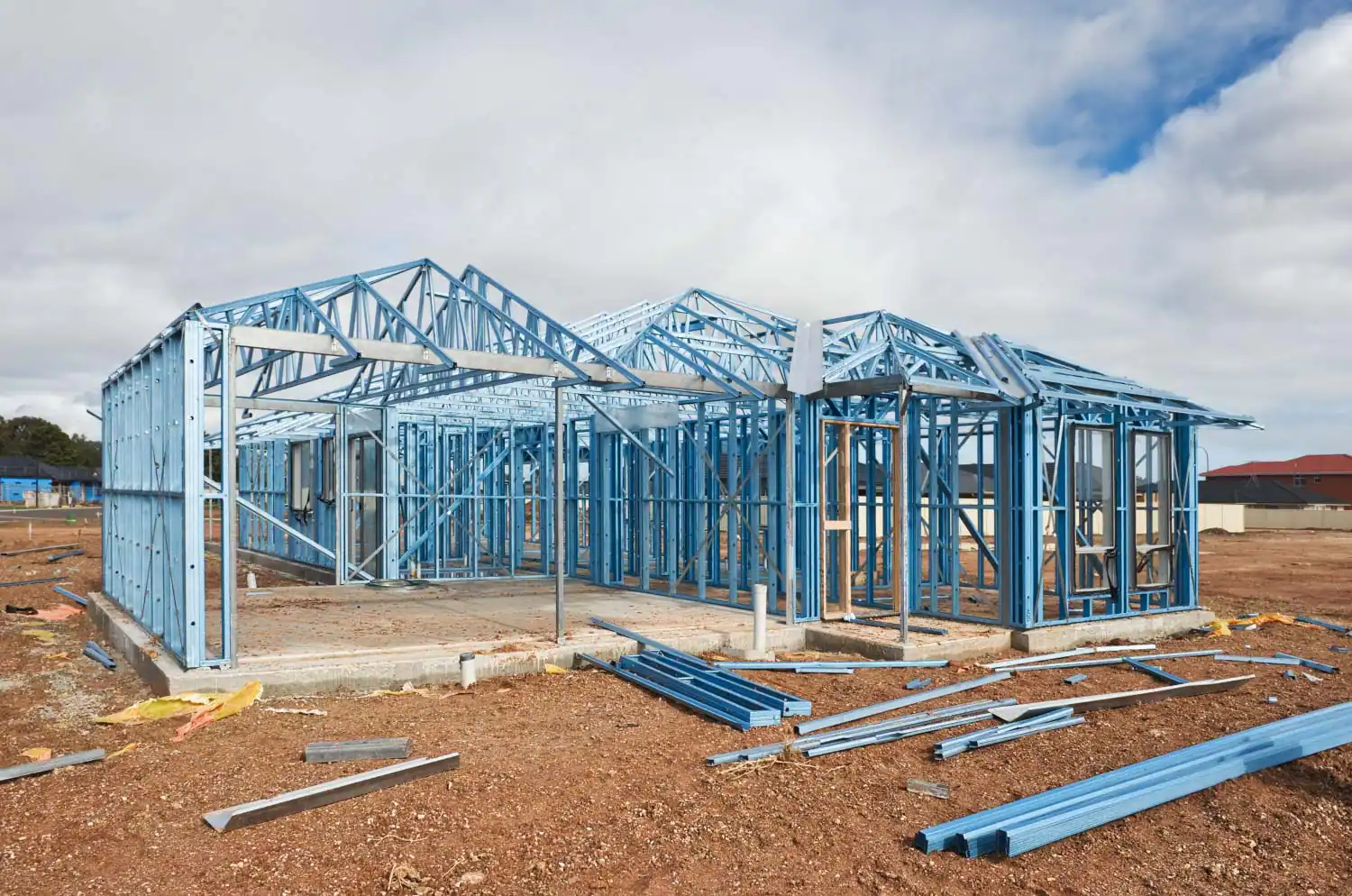
Steel has long been a cornerstone of modern construction due to its unmatched strength, durability, and versatility. While traditionally associated with commercial projects and skyscrapers, steel has increasingly become a favored material in residential construction. It offers an array of advantages that enhance the longevity, safety, and sustainability of homes, making it an intelligent choice for contemporary builders and homeowners. This article explores the many benefits of using steel in home construction, from structural resilience to environmental responsibility.
Explore Republic Grand Ranch custom homes, where style meets substance. These homes are designed with attention to detail and built to seamlessly blend with the area’s stunning natural surroundings, offering a unique living experience.
1. Unparalleled Strength and Durability
Steel is renowned for its exceptional strength-to-weight ratio, which makes it a superior choice for home construction.
- Resilience Against Natural Disasters
Homes built with steel frames are better equipped to withstand earthquakes, hurricanes, and strong winds. Steel’s flexibility allows it to bend without breaking under pressure, which minimizes structural damage during seismic activity. - Resistance to Wear and Tear
Unlike traditional materials like wood, steel does not warp, crack, or splinter over time. Its resistance to corrosion, pests, and rot ensures that the structure remains robust for decades, reducing maintenance costs and enhancing safety.
2. Design Versatility and Architectural Freedom
Steel opens the door to creative and flexible architectural designs.
- Spanning Larger Spaces
Steel beams can support wider spans without the need for intermediary columns. This allows for open floor plans, expansive windows, and innovative layouts that maximize natural light and create airy living spaces. - Complex Shapes and Modern Aesthetics
The malleability of steel enables architects to experiment with unconventional shapes, cantilevered designs, and modern facades. Its sleek appearance integrates seamlessly with contemporary styles, providing both functionality and visual appeal.
3. Enhanced Safety and Fire Resistance
Safety is a paramount concern in home construction, and steel addresses this need comprehensively.
- Non-Combustible Material
Steel does not burn, making it a reliable option for fire-prone areas. Its high melting point ensures structural integrity even during extreme temperatures, offering invaluable protection for occupants. - Pest and Mold Resistance
Steel is impervious to termites, carpenter ants, and other pests that compromise wooden structures. Additionally, its resistance to moisture prevents the growth of mold and mildew, contributing to healthier living environments.
4. Sustainability and Environmental Benefits
Steel is an eco-friendly material that aligns with sustainable construction practices.
- Recyclable and Reusable
Steel is one of the most recyclable materials on the planet. Nearly all steel used in construction today is made from recycled content, and it can be repurposed indefinitely without losing its properties. - Reduced Waste
Prefabricated steel components are manufactured to precise specifications, minimizing material waste on construction sites. This not only reduces environmental impact but also streamlines the building process. - Energy Efficiency
Steel-framed homes can accommodate superior insulation systems, reducing energy consumption for heating and cooling. Paired with energy-efficient windows and roofing, steel constructions contribute to significant savings in utility bills.
5. Quick and Cost-Effective Construction
Steel expedites the building process while offering long-term financial benefits.
- Prefabrication and Modular Construction
Steel components are often pre-engineered, allowing them to be assembled quickly on-site. This reduces construction timelines and labor costs, making it a practical choice for time-sensitive projects. - Durability Equals Savings
The longevity of steel eliminates the need for frequent repairs and replacements, resulting in reduced maintenance expenses over the lifespan of the home.
6. Lightweight Yet Strong
Despite its strength, steel is surprisingly lightweight, which simplifies transportation and construction logistics.
- Easier Handling and Installation
Steel’s lightweight nature makes it easier to transport and maneuver during construction. This reduces strain on workers and minimizes the need for heavy machinery. - Reduced Foundation Requirements
Because steel is lighter than materials like concrete and masonry, it places less strain on the foundation. This can lead to cost savings during the excavation and foundation-laying phases.
7. Adaptability for Future Modifications
Steel-framed homes offer flexibility for future renovations and expansions.
- Easily Adjustable Frames
Steel structures can be modified without compromising stability. This adaptability is ideal for homeowners who may want to add new rooms, install larger windows, or make other changes as their needs evolve. - Compatibility with Modern Systems
Steel framing accommodates advanced wiring, plumbing, and HVAC systems seamlessly. It is also compatible with renewable energy installations, such as solar panels, enhancing the home’s modern utility.
8. Longevity and Value Retention
Investing in steel construction offers long-term benefits for homeowners.
- A Home Built to Last
Steel’s inherent durability ensures that homes retain their structural integrity and aesthetic appeal over time. This longevity translates to greater resale value, as buyers are drawn to properties that promise reliability. - Insurance Benefits
Homes constructed with steel often qualify for lower insurance premiums due to their fire resistance, pest resistance, and durability. This further reduces the cost of ownership over the years.
The use of steel in home construction is a forward-thinking choice that combines durability, safety, and sustainability with modern design possibilities. Its versatility and resilience make it an ideal material for creating homes that stand the test of time, offering unmatched value for homeowners. Whether for a sleek, contemporary residence or a structure built to weather environmental challenges, steel continues to set the standard in modern construction practices.