

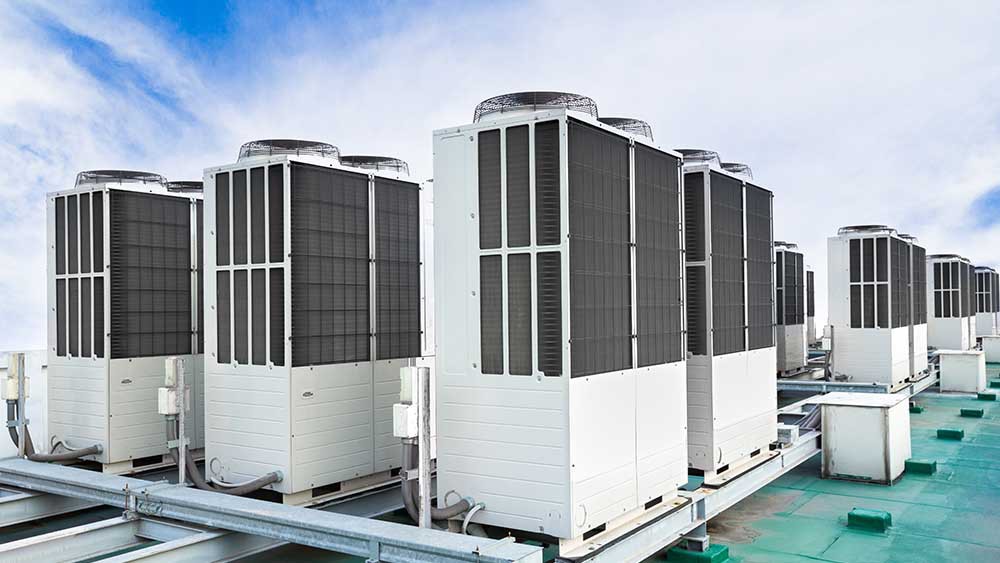
In the modern world, commercial buildings serve as bustling hubs where business operations, employee productivity, and customer experiences intersect. Within these dynamic environments, the importance of maintaining a comfortable, healthy atmosphere cannot be overstated. Heating, ventilation, and air conditioning (HVAC) systems play a pivotal role in ensuring that these environments remain functional, efficient, and conducive to both work and relaxation.
An HVAC system does more than just regulate the temperature; it influences air quality, energy consumption, and overall comfort, which directly impacts the building’s operations, maintenance costs, and even tenant satisfaction. This article explores the profound impact HVAC systems have on commercial buildings and the key reasons they are integral to their success.
1. Regulating Temperature and Comfort
At the most basic level, HVAC systems regulate the temperature within a commercial building, providing heating during cold weather and cooling during hot months. Maintaining an ideal indoor temperature is not only essential for occupant comfort but also for operational efficiency. In workplaces, the right temperature helps employees stay focused, productive, and comfortable, which can directly influence performance and satisfaction.
In spaces such as retail stores, restaurants, and offices, HVAC systems are essential for creating an inviting atmosphere that enhances the customer experience. For example, a restaurant with an effective HVAC system can ensure that customers are not too hot or cold while dining, contributing to an overall positive impression of the business. Similarly, a well-maintained HVAC system in an office building prevents discomfort that could affect work morale or focus. Those looking to improve indoor climate control and energy efficiency can learn more about how professional HVAC services support a balanced and productive environment.
2. Improving Indoor Air Quality
Indoor air quality (IAQ) is another key function of an HVAC system in commercial buildings. Poor air quality can lead to a host of health problems, including allergies, headaches, fatigue, and respiratory issues. HVAC systems equipped with high-quality air filters help to remove dust, pollutants, allergens, and other harmful particles from the air. This is particularly important in commercial spaces where there is a high concentration of people, such as offices, schools, and healthcare facilities.
In healthcare settings, for example, HVAC systems are designed to meet stringent air quality standards to prevent the spread of airborne diseases and ensure the safety of patients. Regular maintenance and the use of advanced filtration technology, such as HEPA filters or UV lights, can further improve the quality of air circulating throughout the building. These filters trap harmful substances, promoting a healthier indoor environment for everyone who enters.
3. Energy Efficiency and Cost Savings
One of the most significant impacts of an HVAC system on a commercial building is its influence on energy consumption and operating costs. Commercial HVAC systems often consume large amounts of energy, especially in larger buildings where heating and cooling requirements are more extensive. However, with the right system in place, it is possible to achieve high energy efficiency while keeping operational costs in check.
Newer, energy-efficient HVAC systems are designed to use less energy to achieve the same level of comfort. Features such as variable speed motors, programmable thermostats, and energy recovery ventilation systems help optimize performance without wasting energy. These systems also offer improved control over heating and cooling cycles, ensuring that energy is only used when necessary.
In addition, regular maintenance can help ensure that HVAC systems continue to operate at peak efficiency. Routine checks of the filters, coils, and ducts can prevent energy waste caused by blockages or malfunctions. By investing in energy-efficient systems and implementing a well-maintained HVAC infrastructure, businesses can significantly reduce their utility bills over time.
4. Regulating Humidity Levels
Proper humidity control is an often-overlooked benefit of HVAC systems, yet it plays a crucial role in the overall comfort and well-being of building occupants. Excessive humidity can lead to mold growth, poor air quality, and discomfort, while too little humidity can cause dry skin, respiratory irritation, and static electricity buildup. HVAC systems that include humidification and dehumidification features can effectively manage moisture levels, providing a balanced indoor climate.
For instance, in commercial environments like offices or museums where sensitive materials may be present, controlling humidity levels is vital for preserving both human comfort and the integrity of valuable items. Proper humidity control in such spaces can prevent damage to artifacts, artwork, and electronic equipment, ensuring they remain in optimal condition.
5. Enhancing Productivity and Well-Being
The impact of HVAC on employee productivity and well-being is profound. Studies have shown that temperature and air quality directly influence how effectively individuals work. A comfortable environment reduces distractions caused by heat, cold, or poor air quality, allowing employees to focus more on their tasks.
In offices, research has demonstrated that a comfortable indoor environment with good air quality and temperature regulation leads to higher levels of employee satisfaction, lower absenteeism, and increased productivity. When employees are comfortable, they are more likely to remain engaged, contributing positively to the company’s performance.
Furthermore, the control of factors like humidity and fresh air circulation within the HVAC system can reduce the likelihood of illnesses caused by poor air quality, ensuring that businesses face fewer disruptions due to employee health issues. A healthier workforce is not only beneficial to the individuals but also to the organization as a whole.
6. Regulatory Compliance and Safety Standards
Certain industries, particularly healthcare and food service, are subject to stringent regulations regarding indoor air quality and environmental conditions. HVAC systems are integral in helping commercial buildings comply with these standards. For example, in hospitals, HVAC systems are required to maintain specific air pressure levels to prevent cross-contamination between different areas, such as operating rooms, patient rooms, and waiting areas.
In foodservice businesses, HVAC systems help maintain the proper temperature and humidity levels, ensuring food safety and compliance with health codes. By providing consistent, regulated airflow, HVAC systems play a critical role in supporting compliance and ensuring the safety of both employees and customers.
7. Long-Term Value and Building Performance
The presence of a well-maintained, efficient HVAC system can significantly enhance the long-term value of a commercial property. A modern, energy-efficient HVAC system not only makes the building more attractive to tenants but also increases its overall marketability. Commercial real estate owners understand that prospective tenants often prioritize buildings with superior environmental conditions, including optimal temperature control and air quality.
Moreover, properly functioning HVAC systems contribute to the building’s sustainability by reducing energy consumption and lowering operational costs. As the demand for energy-efficient, environmentally-friendly buildings continues to grow, having an advanced HVAC system can make a building more competitive in the marketplace.
Conclusion
The impact of HVAC systems on commercial buildings extends far beyond temperature regulation. From improving indoor air quality and promoting health to enhancing energy efficiency and increasing productivity, HVAC systems are vital for the overall success and functionality of commercial spaces. By investing in quality HVAC systems, businesses can improve employee satisfaction, reduce operational costs, and ensure that their facilities provide a comfortable and safe environment for all occupants. Whether through better air quality, temperature control, or compliance with safety standards, the role of HVAC in commercial buildings is indispensable.