

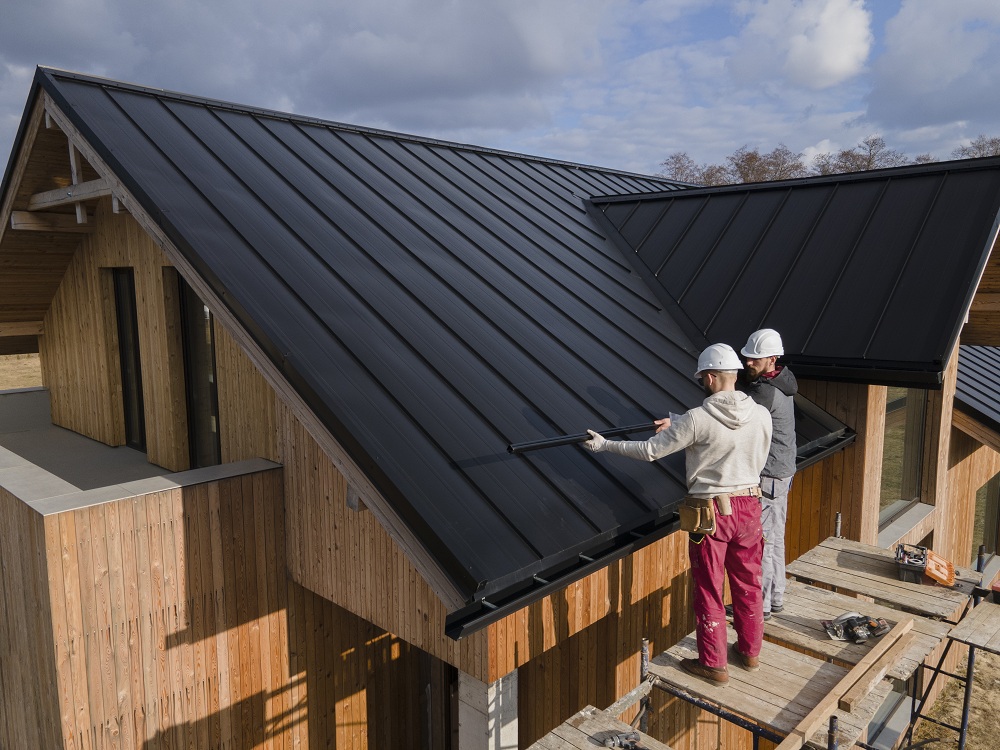
A home’s roof is arguably one of its most vital components, providing essential protection from the elements while also contributing to the overall aesthetic of the structure. Often taken for granted until a leak or storm damage occurs, the roof is the first line of defense against weather, temperature fluctuations, and natural wear. A well-maintained roof is not only crucial for safeguarding the interior of a home but also plays a significant role in energy efficiency, curb appeal, and long-term property value. In this article, we’ll delve into the many aspects of roofing, from the different types of materials available to the importance of regular maintenance and the evolving trends in roof design.
The Crucial Function of a Roof: More Than Just Shelter
The primary role of a roof is to protect the home from the outside elements. Rain, snow, wind, and extreme temperatures can all take their toll on a property, but a well-constructed roof acts as a barrier that keeps these elements at bay. Whether it’s the cold bite of winter or the sweltering heat of summer, the roof regulates temperature and shields the interior of the home from weather-related damage. Without it, the walls, insulation, and interior furnishings would be exposed to the full force of the environment.
Beyond weather protection, roofs also contribute to a home’s structural integrity. A sturdy roof ensures that the house remains stable over time, preventing moisture from seeping into the walls and foundation, which can lead to serious structural issues. Additionally, a roof that is in good condition helps maintain the comfort and safety of the living space by minimizing drafts, heat loss, and the risk of mold growth.
While the protective function of a roof is often the most emphasized, its design also plays a major role in enhancing the overall appeal of a home. A well-chosen roof material and style can complement the architectural design, adding character and visual interest to the exterior. From traditional gabled roofs to modern flat designs, the roof is an integral part of a home’s overall aesthetic.
Types of Roofing Materials: Choosing the Right Option for Your Home
When it comes to roofing, there are several materials available, each offering different benefits in terms of durability, cost, aesthetic appeal, and maintenance requirements. The choice of roofing material will depend on factors such as climate, budget, architectural style, and personal preference. Below are some of the most popular roofing materials, each with its unique advantages.
1. Asphalt Shingles
Perhaps the most common roofing material in North America, asphalt shingles are affordable, easy to install, and versatile. They come in a range of colors and styles, making them suitable for a variety of home designs. Asphalt shingles are durable and provide reliable protection against rain and wind. However, their lifespan is relatively short compared to other materials, typically lasting 15 to 30 years. In addition, asphalt shingles may not perform as well in extreme temperatures, particularly in areas with frequent temperature fluctuations.
2. Metal Roofing
Metal roofs are growing in popularity due to their long lifespan, energy efficiency, and ability to withstand harsh weather conditions. Available in various styles, including standing seam, corrugated panels, and metal shingles, metal roofs can be made from materials like steel, aluminum, or copper. Metal roofing is highly resistant to wind, hail, and fire, making it an ideal choice for areas prone to severe weather. It is also energy-efficient, reflecting heat and helping to reduce cooling costs during the summer months. While metal roofs are more expensive to install than asphalt shingles, their longevity—often lasting 50 years or more—makes them a wise long-term investment.
3. Clay and Concrete Tiles
Clay and concrete tiles are known for their timeless appeal and excellent durability. These materials are particularly well-suited to homes in warmer climates due to their ability to withstand intense heat and dry conditions. They are also fire-resistant and highly durable, often lasting 50 years or more. However, clay and concrete tiles are heavy, which may require additional structural support during installation. Furthermore, they tend to be more expensive than other roofing options, both in terms of materials and labor.
4. Wood Shingles and Shakes
Wood roofing offers a rustic, natural look that complements certain architectural styles, such as cottages or craftsman homes. Wood shingles are typically made from cedar, redwood, or pine and are known for their aesthetic charm and insulating properties. However, wood roofs require more maintenance than other materials, as they are susceptible to rot, moss, and insect infestations. In addition, wood roofing may not be suitable for areas prone to wildfires due to its flammability, although modern treatments can provide some fire resistance.
5. Slate
Slate roofing is one of the most durable and luxurious roofing materials available. Known for its sophisticated appearance and exceptional longevity, slate can last for over 100 years if properly maintained. It is also fire-resistant, highly weather-resistant, and naturally insulating. However, slate is an expensive material, both in terms of initial cost and installation. Additionally, it is heavy, which means the roof structure must be able to support the weight of the slate tiles.
The Importance of Roof Maintenance: Preserving Longevity and Performance
While a quality roof can last for decades, it requires regular maintenance to ensure its longevity and optimal performance. Roofs are constantly exposed to the elements, and over time, even the most durable materials can show signs of wear. Whether it’s debris buildup, clogged gutters, or small leaks, neglecting minor issues can lead to more significant problems down the line, such as water damage, mold growth, or even structural failure.
1. Regular Inspections
It’s important to conduct regular roof inspections to catch any potential issues early. A professional roofer can assess the condition of the roof, identify signs of damage, and recommend repairs. Homeowners should also inspect their roofs after severe weather events, such as storms or hail, to check for visible damage.
2. Cleaning and Debris Removal
Keeping gutters and downspouts clear of debris is essential for maintaining proper drainage and preventing water from accumulating on the roof. Clogged gutters can lead to water pooling, which may cause the roof to deteriorate more quickly. Removing leaves, branches, and other debris from the roof itself can also prevent mold and moss growth, which can damage shingles and tiles.
3. Addressing Leaks and Damage Promptly
Even a small leak can cause significant damage if left untreated. Homeowners should address leaks and any visible damage as soon as possible to prevent further issues. Replacing broken or missing shingles, fixing cracks, and ensuring that flashing around chimneys and vents is secure will help maintain the roof’s integrity.
Emerging Trends in Roofing: Sustainability and Innovation
As with many other industries, the roofing sector is evolving to meet the demands of sustainability and energy efficiency. Modern roofing solutions are increasingly focused on reducing environmental impact while improving performance.
1. Green Roofs
Green roofs, or living roofs, are becoming more popular, particularly in urban areas. These roofs are covered with vegetation, which provides insulation, reduces energy consumption, and helps manage stormwater runoff. Green roofs also improve air quality and contribute to biodiversity, making them a sustainable choice for eco-conscious homeowners.
2. Cool Roofs
Cool roofing materials are designed to reflect more sunlight and absorb less heat, reducing the amount of heat transferred into the building. This not only helps lower cooling costs but also reduces the urban heat island effect in cities. Cool roofs can be made from reflective coatings, tiles, or shingles, and they are increasingly being used in residential and commercial buildings alike.
3. Solar Roofing
Solar panels integrated into roofing materials are gaining traction as more homeowners seek to reduce their carbon footprint and save on energy costs. Solar shingles and tiles offer the benefits of traditional roofing while harnessing solar energy to power the home. This innovative solution is an excellent option for those looking to combine energy efficiency with a modern roofing design.
Conclusion: Roofing as the Foundation of Protection and Style
A roof is much more than a structural necessity—it is an investment in the longevity, efficiency, and aesthetic appeal of a home. Whether it’s providing shelter from the elements, enhancing energy efficiency, or contributing to the home’s curb appeal, roofing plays an essential role in maintaining a comfortable and secure living environment. With the right materials, proper maintenance, and an eye toward innovation, homeowners can ensure that their roofs continue to perform well for years to come, safeguarding both their property and their peace of mind. In the ever-evolving world of home design and construction, roofing remains a critical element, combining practicality with beauty in ways that reflect the needs and desires of modern homeowners.