

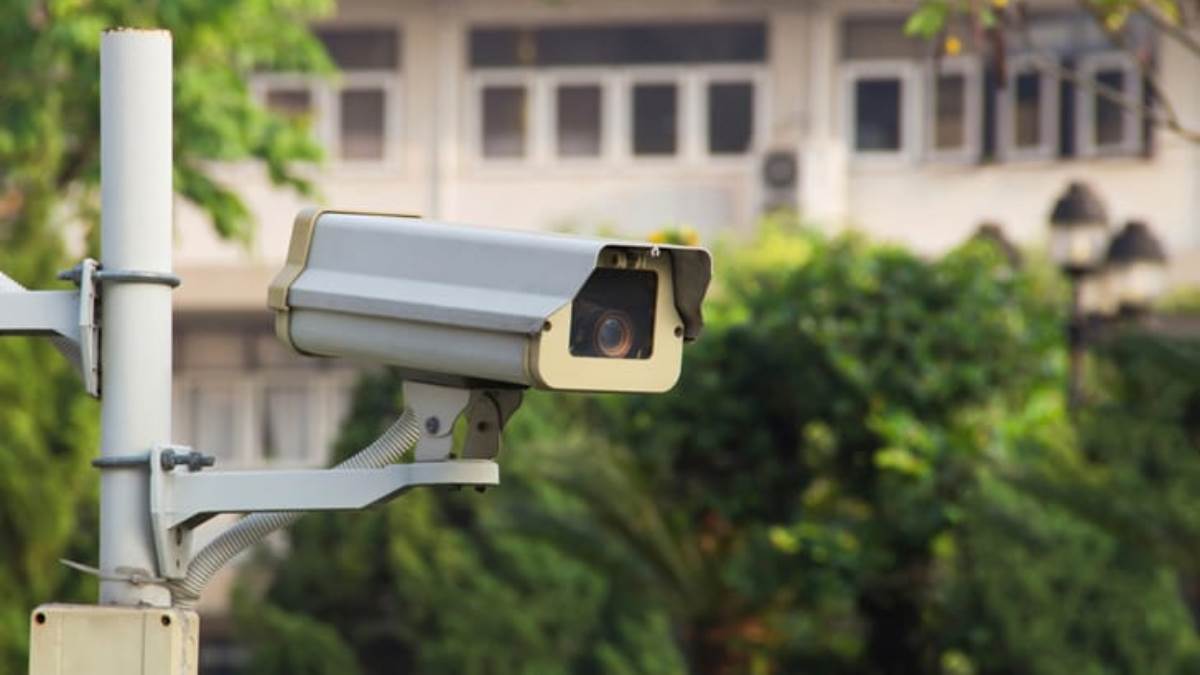
CCTV cameras are an essential part of modern security systems, designed to monitor properties, deter intruders, and record valuable footage. However, not all CCTV cameras are created equally; each type has its specific features and is suited to different purposes. This guide explores the various types of CCTV cameras available and their primary uses, helping you choose the best option to meet your security needs.
1. Dome Cameras: Discreet and Durable Indoor Security
Dome cameras are named for their dome-shaped housing, which is often tinted or smoked, making it difficult to see where the camera is pointing. This characteristic alone makes them highly effective in deterring criminal activity. Dome cameras are typically mounted on ceilings, offering a wide field of view ideal for indoor monitoring.
- Primary Use: Often found in retail stores, offices, and restaurants, dome cameras are perfect for indoor security. Their design blends seamlessly with most interior decor, providing discreet surveillance that doesn’t intrude on the aesthetic of a room.
- Key Features: Dome cameras are usually vandal-resistant due to their sturdy casing, which protects them from tampering. Many models come with infrared capabilities for night vision, allowing for effective surveillance even in low-light conditions.
Dome cameras provide reliable indoor monitoring in spaces where a broad view is required and are particularly valued for their durability and versatility.
2. Bullet Cameras: Powerful and Visible Deterrence
Bullet cameras are easily recognizable with their long, cylindrical shape, often likened to a bullet casing. Unlike dome cameras, bullet cameras are typically more visible, serving as a clear deterrent to potential intruders. They are commonly used in outdoor settings but are also suitable for indoor use.
- Primary Use: Bullet cameras are ideal for outdoor areas like driveways, parking lots, and the exterior perimeters of buildings. Their visibility alone often discourages unwelcome activity.
- Key Features: These cameras come with weatherproof housing and are designed to withstand various outdoor conditions. They typically offer a long-range view, making them excellent for monitoring large areas. Some bullet cameras also feature adjustable lenses to focus on specific regions within the field of view.
Their high visibility, weatherproof build, and range make bullet cameras a powerful option for protecting the exterior of a property or covering large outdoor spaces.
3. PTZ Cameras: Flexible and Interactive Surveillance
PTZ (Pan-Tilt-Zoom) cameras offer unparalleled flexibility, with the ability to pan left and right, tilt up and down, and zoom in on specific areas. This versatility allows PTZ cameras to cover a large area and focus on specific objects or individuals as needed.
- Primary Use: PTZ cameras are ideal for larger spaces where continuous monitoring and a wider range of movement are required, such as parking garages, stadiums, and large warehouses.
- Key Features: PTZ cameras can be remotely controlled, allowing security personnel to adjust the camera’s position as needed. They often feature high-definition video quality and may include motion-tracking capabilities that enable the camera to follow moving objects automatically.
PTZ cameras are perfect for environments where flexibility is necessary, offering the ability to zoom in for more details or to adjust the view based on real-time activity.
4. C-Mount Cameras: Adaptable for Specific Surveillance Needs
C-mount cameras are highly adaptable, with detachable lenses that can be swapped to accommodate different distances and fields of view. This makes them suitable for unique surveillance needs where standard lenses may not be sufficient.
- Primary Use: C-mount cameras are commonly used in manufacturing and industrial settings where surveillance of specific areas or processes is needed. They are also effective in long-range outdoor applications.
- Key Features: The defining feature of a C-mount camera is its flexibility in terms of lens options. With the right lens, a C-mount camera can cover distances beyond the typical CCTV range. The camera itself is often larger and more noticeable, which can serve as a deterrent to potential intruders.
C-mount cameras are ideal when specific, customizable fields of view are required, particularly in technical or specialized environments.
5. Day/Night Cameras: Reliable in Variable Lighting Conditions
Day/night cameras are designed to function efficiently in both well-lit and low-light environments, adapting seamlessly to changing lighting conditions. They are often equipped with infrared (IR) filters that allow them to capture clear images in darkness.
- Primary Use: These cameras are particularly useful in outdoor settings where lighting conditions may vary, such as residential neighborhoods, building perimeters, and parking lots.
- Key Features: Day/night cameras come with enhanced sensitivity to light, allowing them to record clear images in varying light conditions. They can capture color images during the day and switch to black-and-white mode at night for better clarity in low light.
Day/night cameras offer dependable monitoring around the clock, regardless of lighting changes, making them ideal for outdoor locations where light is inconsistent.
6. Infrared/Night Vision Cameras: Essential for Complete Darkness
Infrared or night vision cameras are specifically built for environments with no natural or artificial light. Using infrared LEDs, these cameras can capture clear footage in complete darkness, making them essential for night-time monitoring.
- Primary Use: Night vision cameras are essential for areas that require surveillance in complete darkness, such as warehouses, storage facilities, and outdoor areas with minimal lighting.
- Key Features: These cameras utilize infrared LED technology, which is invisible to the human eye but allows the camera to create clear images in the dark. The number of LEDs on the camera determines how far it can “see” in complete darkness.
Infrared cameras are indispensable for areas where night-time security is a priority, providing a level of clarity that other cameras may not offer in low or no-light conditions.
7. Network/IP Cameras: Modern Surveillance with Remote Access
Network or IP cameras use internet connectivity to transmit footage, allowing users to view and manage recordings remotely via smartphones or computers. These cameras are popular for their ease of access and advanced features.
- Primary Use: IP cameras are suitable for both residential and commercial settings where remote monitoring is necessary, such as smart homes, offices, and retail spaces.
- Key Features: IP cameras provide high-resolution video, often in HD or even 4K quality, and allow footage to be saved either locally or on cloud storage for easy access. These cameras often come with motion detection and real-time alert systems, enabling quick response to potential security breaches.
With their connectivity and ease of remote access, IP cameras are ideal for users who prioritize flexible monitoring and immediate access to footage from any location.
8. Wireless Cameras: Convenient and Flexible Installation
Wireless cameras are known for their simplicity and versatility in installation, as they require no physical cables for data transmission. This type of camera is particularly suited for areas where wiring may be inconvenient or difficult to install.
- Primary Use: Wireless cameras are suitable for smaller spaces, temporary setups, or areas where flexible placement is needed, such as rental properties or apartment complexes.
- Key Features: While most wireless cameras still require a power source, the lack of data cables makes them easier to install and relocate. Many models are compatible with mobile apps, allowing for remote access, and come with motion detection, alerts, and cloud storage options.
Wireless cameras are perfect for those seeking convenience, particularly in settings where wired installation is challenging or impractical.
Choosing the Right CCTV Camera for Your Needs
Understanding the distinct features and applications of each CCTV camera type helps you make a well-informed decision based on your specific security needs. Whether you require robust night-time monitoring, flexible remote access, or tamper-resistant indoor surveillance, selecting the right type of camera is key to establishing an effective security system that provides peace of mind and reliable protection.