

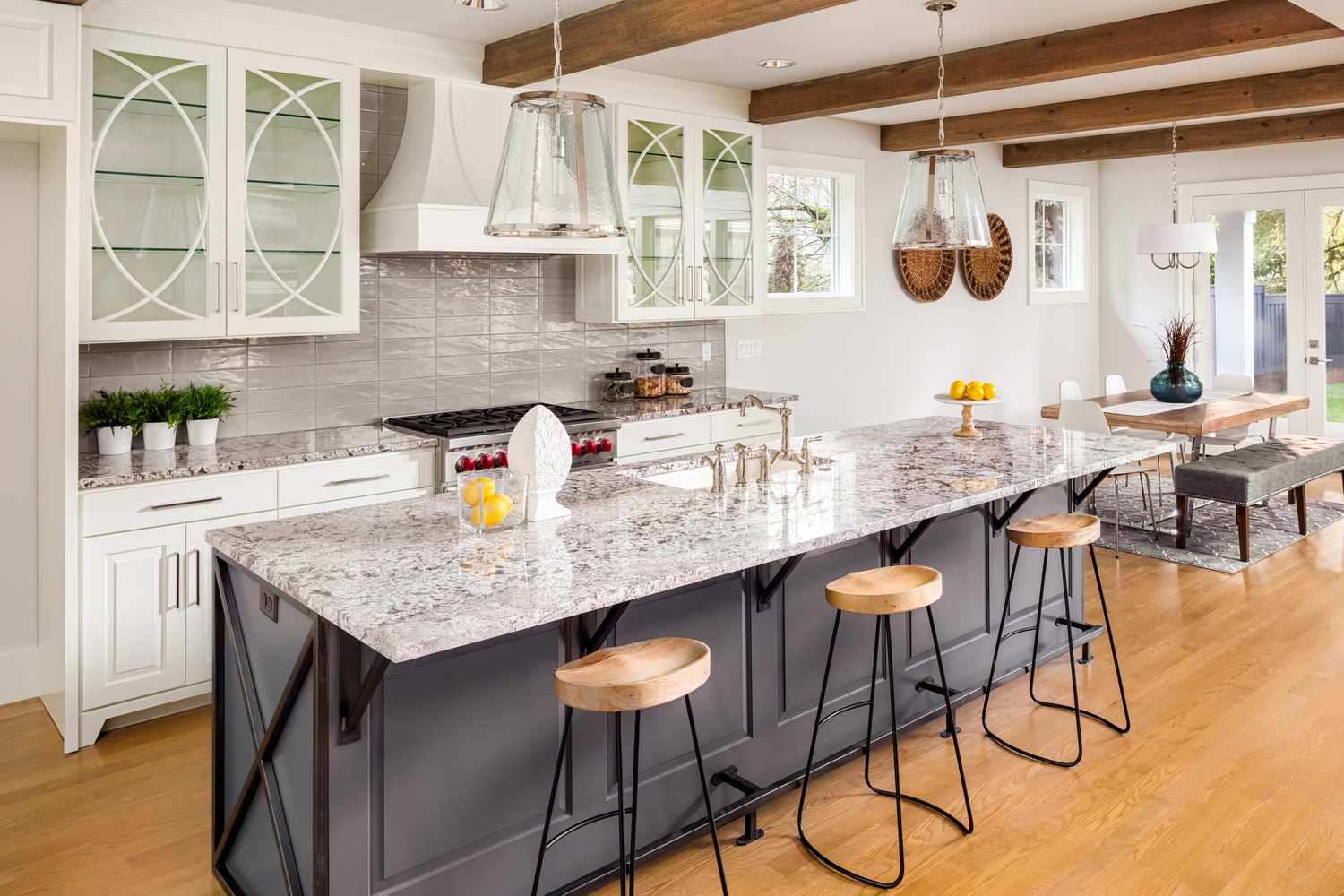
When it comes to designing a kitchen, countertops are often the focal point of the space. Traditionally, many kitchens feature a single type of countertop material, creating a uniform look. However, mixing and matching different countertop materials is a growing trend, allowing for a more dynamic, personalized, and unique design. Combining different textures, colors, and materials not only adds character to the kitchen but also helps define various zones within the space. In this post, we’ll explore how to mix and match countertops in your kitchen for a distinctive, cohesive look that balances style with functionality.
Consider Your Kitchen’s Layout and Flow
Before you start selecting materials, it’s important to consider the layout of your kitchen. Whether it’s an open-concept space, a galley kitchen, or a traditional layout with a separate island, the design of your kitchen will influence how you mix and match countertops. Different zones of your kitchen serve distinct purposes, and choosing the right materials for each of these areas can create a harmonious flow.
For example, an island might serve as both a workspace and a gathering spot. In such cases, a bold or contrasting material, such as a striking granite or marble, can be used for the island to create a visual centerpiece. Meanwhile, the perimeter counters can be made of a more neutral, durable material like quartz or butcher block, which is more suited for food prep and daily use. This strategic separation of materials enhances the functionality of the space while still maintaining a cohesive aesthetic.
Choose Complementary Materials
When mixing and matching countertops, it’s crucial to select materials that complement each other, rather than compete for attention. Think of it as a balancing act—while each material should stand out, it should also work well with the others. You don’t need to choose identical finishes or colors, but they should be harmonious in their tones and textures.
For example, pairing a sleek, modern quartz countertop with the warmth and natural texture of wood can create a beautifully balanced contrast. The smooth, reflective surface of quartz offers a contemporary feel, while the rich grain of wood adds organic charm and warmth. Similarly, combining marble with stainless steel can create an elegant juxtaposition of opulence and industrial chic. The key is to focus on the harmony between the materials, ensuring they complement each other without overwhelming the space.
Play with Color and Texture
One of the easiest ways to mix and match countertops is through color and texture. A bold, vibrant color on an island countertop can serve as an accent piece, while neutral tones on the surrounding countertops create a balanced environment. For instance, a deep navy or emerald green island can provide a pop of color that contrasts beautifully with the subtle hues of white or gray countertops on the perimeter.
Texture also plays an important role in mixing and matching materials. A polished granite countertop can create a sophisticated, shiny surface, while a matte honed finish on another material like concrete or quartz can add a more understated, tactile quality. The contrast between glossy and matte finishes can elevate the visual interest of the space, drawing the eye and creating layers of texture that make the kitchen feel dynamic and well-considered.
Define Functional Zones
Mixing countertops can also help define functional zones within the kitchen, which is especially useful in larger kitchens or open-concept spaces. By using different materials for specific tasks, you not only enhance the style but also improve the usability of the space. For example, you might use a heat-resistant material such as granite or quartz for your cooking zone, where hot pots and pans will be placed. In contrast, a more decorative material, such as marble or soapstone, could be used for a prep area or bar zone, where aesthetics take precedence over durability.
An island or breakfast bar area could feature a countertop with a distinctive texture or color to set it apart as a social or entertaining zone. Mixing materials can help visually separate areas dedicated to food preparation from spaces used for gathering or serving, making your kitchen feel more organized and tailored to your needs.
Incorporate Natural Elements for Warmth
Another effective way to mix and match countertops is by incorporating natural elements into the design. Natural stone materials like marble, granite, or quartzite offer a timeless, luxurious appeal, but pairing them with a warmer, more tactile material like wood or butcher block can soften the space and add character.
For instance, you might choose a sleek, white marble countertop for the perimeter counters and incorporate a butcher block island as a functional and aesthetic centerpiece. The natural wood tones of the butcher block provide warmth and texture, offering a contrast to the cool, smooth marble. This blend of natural materials can create a kitchen that feels both elegant and inviting, combining the best of both worlds.
Maintain a Cohesive Overall Design
While mixing materials is an exciting design opportunity, it’s essential to maintain a cohesive overall look. The key is to ensure that the elements you select flow together and work well within the context of your kitchen’s design. One approach is to keep the overall color palette consistent, allowing the materials to vary in texture and tone while adhering to a unified color scheme.
For example, if you are working with a neutral color palette of whites, grays, and beiges, mixing materials like marble, quartz, and wood can create a balanced and elegant space. Similarly, if you prefer a bolder approach, you might introduce vibrant accent colors while ensuring that the materials remain cohesive in their tones. Choosing complementary backsplash tiles, cabinetry, and flooring can further tie the different countertop materials together, ensuring the kitchen feels coordinated despite the variety of surfaces.
Don’t Be Afraid to Experiment
Mixing and matching countertops is an opportunity to get creative and experiment with different materials, colors, and textures. While it’s important to be mindful of harmony and balance, there is also room for playful contrasts and unexpected combinations. Don’t hesitate to explore unconventional pairings, such as a marble countertop combined with recycled glass, or a traditional wood butcher block paired with sleek concrete.
Ultimately, the goal is to create a space that feels personal, functional, and visually engaging. With a thoughtful approach, mixing and matching countertops can result in a kitchen that is as unique as you are.
Final Thoughts
By thoughtfully combining different countertop materials, you can create a kitchen that reflects your style and serves your needs. The possibilities are endless when it comes to mixing and matching, whether you’re looking for bold contrasts, functional zones, or a harmonious blend of textures and colors. The key to success lies in selecting materials that complement one another while maintaining an overall cohesive design.