

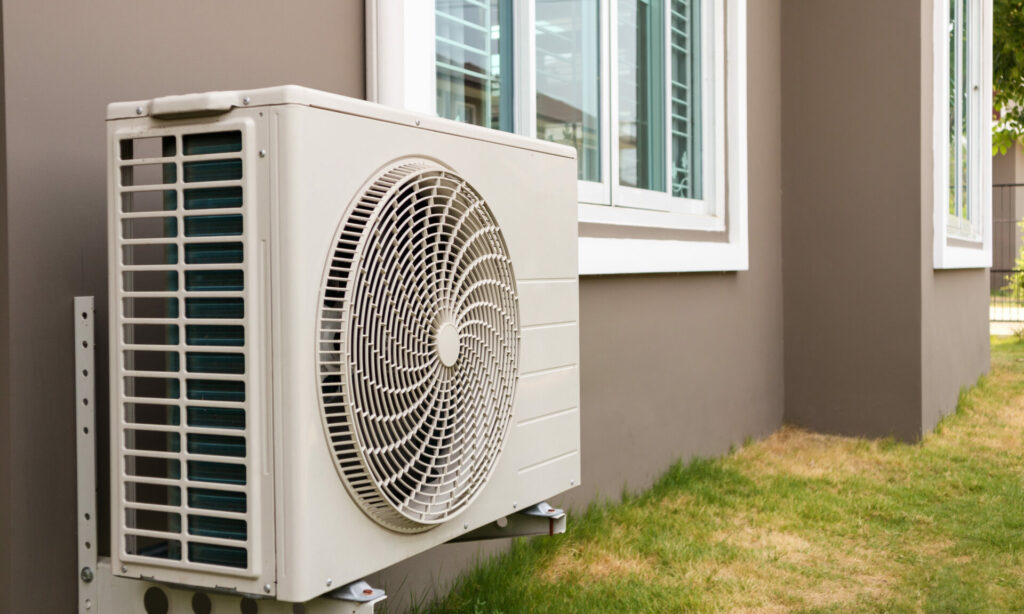
An air conditioner is more than just a tool for staying cool during the hot summer months—it is an essential part of your home’s climate control system, helping to maintain comfort and air quality. However, to ensure that it performs optimally, it’s crucial to use it efficiently. One of the most effective ways to do this is by programming your air conditioner to match your schedule, the climate, and the specific needs of your household. Below are some detailed steps and strategies for programming your air conditioner to maximize its efficiency and performance.
1. Understand Your Air Conditioner’s Features
Before you can program your air conditioner for optimal performance, it is essential to understand the specific features of the unit. Modern air conditioners often come with a variety of settings that allow for detailed control, such as:
- Temperature control: The ability to set a precise target temperature in the room.
- Timer function: The option to set the air conditioner to start and stop at designated times.
- Fan speed settings: Allows you to adjust the airflow, which can affect cooling efficiency and noise levels.
- Energy-saving modes: Many units feature an eco-mode that reduces energy consumption by adjusting temperature settings or fan speed.
Familiarizing yourself with these settings will give you a clearer idea of how to make adjustments that will enhance the overall performance of your air conditioner.
2. Set a Consistent Temperature Range
One of the simplest yet most effective ways to program your air conditioner for optimal performance is by setting a consistent temperature. While it may be tempting to drastically lower the temperature to cool your space quickly, maintaining a steady and moderate temperature is more energy-efficient and better for long-term comfort.
The ideal temperature range for most homes is between 75°F and 78°F (24°C to 26°C). By setting the air conditioner to maintain a consistent temperature within this range, you avoid the unnecessary strain on the unit that comes with excessive cooling or heating cycles. This can lead to a reduction in energy consumption and help extend the life of the appliance.
Additionally, for added comfort and efficiency, consider setting the temperature a bit higher when you are away or during the night. This small adjustment can yield noticeable savings on your energy bill without sacrificing comfort.
3. Use the Timer and Scheduling Features
Many air conditioning units come equipped with timers and scheduling options that allow you to pre-set when the unit turns on or off. By using these features, you can make sure the air conditioner is working only when you need it, rather than running constantly throughout the day or night.
- When You’re Home: If you’re at home during the day, set the air conditioner to start cooling the space before you arrive. For instance, programming the air conditioner to turn on 30 minutes before you return from work ensures that the space is comfortable by the time you enter.
- When You’re Away: During the hours when no one is home, program the air conditioner to switch off or raise the temperature slightly. This ensures the system isn’t working overtime when you don’t need it.
- During the Night: Many people prefer a cooler environment for sleep. You can set the air conditioner to lower the temperature during the night, then raise it just before morning, saving energy while ensuring comfort.
By effectively utilizing the timer and scheduling features, you avoid the wasteful practice of running your air conditioner constantly and maintain a cool, comfortable environment when it matters most.
4. Adjust Fan Speed for Efficiency
Air conditioners often allow you to control the fan speed in addition to the temperature. While higher fan speeds provide rapid cooling, they can also increase energy consumption. For most households, a moderate fan speed is sufficient to maintain an efficient and consistent temperature throughout the room.
Choosing a lower fan speed can reduce noise levels and the amount of energy used by the air conditioner, while still ensuring that the cool air is distributed evenly. In certain models, the fan can be set to automatically adjust based on the temperature, providing a more tailored experience while still conserving energy.
If the unit has a “quiet mode,” this can also be a good option to use during the night for uninterrupted sleep while ensuring energy efficiency.
5. Utilize Eco or Energy-Saving Mode
If your air conditioner features an eco or energy-saving mode, make sure to take advantage of it. This mode adjusts the settings to reduce energy consumption, often by increasing the temperature slightly or lowering the fan speed. While this mode may not cool the room as quickly as the standard settings, it ensures that the air conditioner is running at its most efficient, cutting down on electricity usage and costs.
In eco mode, your air conditioner will run longer cycles at lower intensities, which can save significant amounts of energy over time. This is ideal when you’re home and want to maintain a comfortable temperature while keeping your energy costs in check.
6. Maintain Regular Cleaning and Servicing
A clean air conditioner operates much more efficiently than a dirty one. Over time, dirt and debris can accumulate in the filters, coils, and vents of your air conditioner, causing it to work harder to cool your space. This can lead to increased energy consumption and reduced performance.
Make it a point to clean or replace the filters regularly, especially during the peak usage seasons. A clogged filter restricts airflow, making it more difficult for the unit to circulate air and maintain a comfortable temperature. Depending on the model, you may need to clean the evaporator and condenser coils as well.
In addition to regular cleaning, consider scheduling professional maintenance to ensure that the refrigerant levels are adequate and that the system is running smoothly. A well-maintained air conditioner will perform better, use less energy, and last longer.
7. Take Advantage of Smart Technology
Many modern air conditioners are now equipped with smart technology, allowing you to control your system remotely through apps or voice assistants. With these smart systems, you can monitor and adjust the temperature, fan speed, and even set timers from anywhere using your smartphone.
The ability to control the air conditioner remotely means you can adjust settings if plans change. For instance, if you’re running late and want the room to be cooler when you arrive, you can easily adjust the temperature from your phone. This flexibility can help ensure that your air conditioner is always working at optimal efficiency, without the need for constant manual adjustments.
8. Insulate Your Home Properly
Even with the best programming and settings, your air conditioner’s performance will be limited if your home is not well-insulated. Poor insulation can lead to cool air escaping and warm air entering, forcing the air conditioner to work harder. To maximize the performance of your air conditioner, ensure your home is properly insulated and sealed.
Check for drafts around windows and doors and consider adding insulation to attics and basements. The better your home’s insulation, the less your air conditioner will have to work to maintain a comfortable temperature.
Final Considerations
Programming your air conditioner for optimal performance is about more than just setting the temperature. By understanding and using features like timers, fan speeds, energy-saving modes, and scheduling, you can create an environment that is both comfortable and energy-efficient. Regular maintenance, smart technology, and proper home insulation will further enhance the performance of your air conditioning system. Taking the time to program your air conditioner correctly not only improves your comfort but also helps reduce energy costs and extend the life of your unit.