

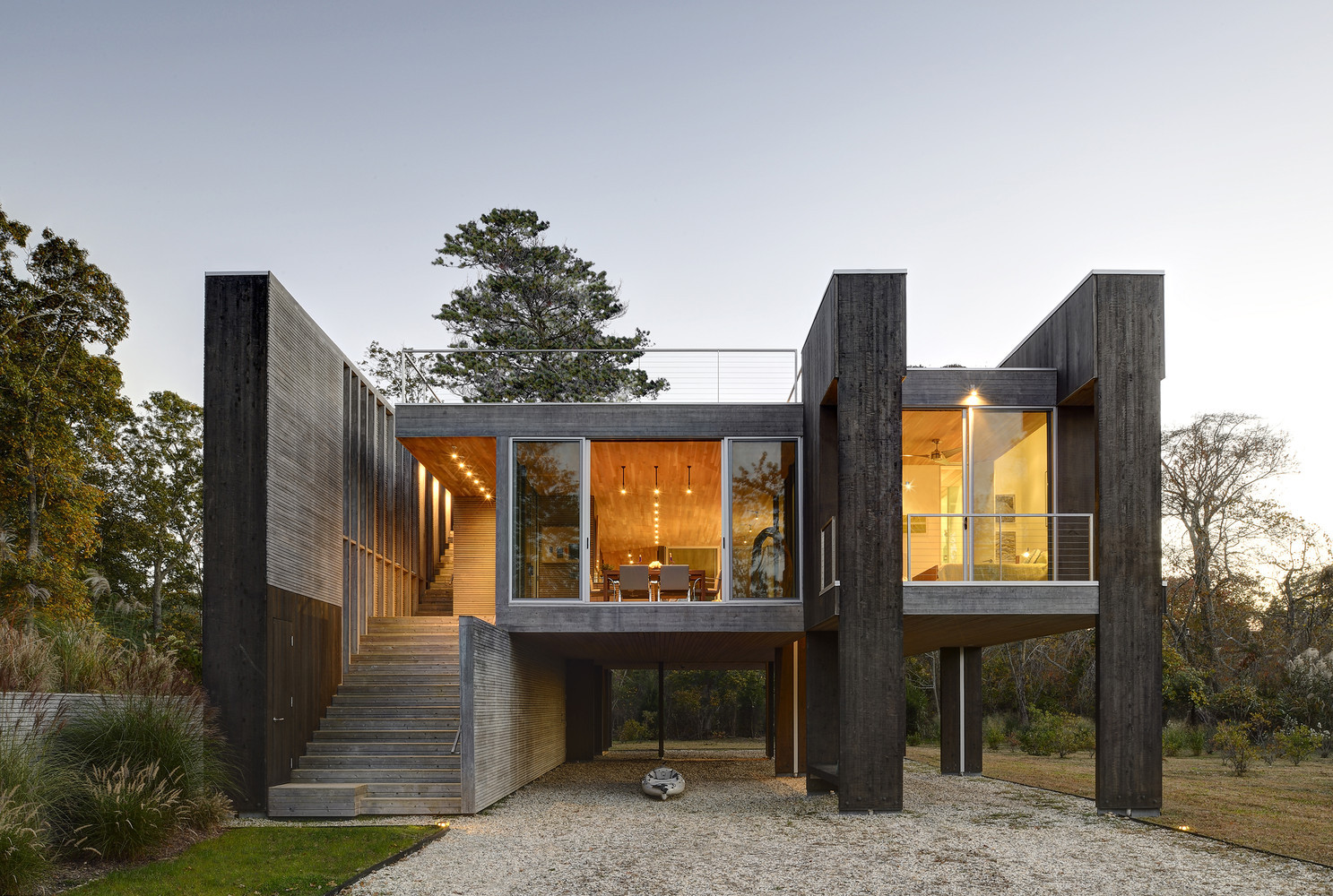
Building a custom home in a flood zone presents unique challenges that require careful consideration and proactive planning. While the prospect of designing a home in such a location may seem daunting, it is entirely feasible with the right knowledge and strategies in place. From elevating the home to using flood-resistant materials, there are several steps that can help ensure your home remains safe, comfortable, and durable in the event of flooding. Here’s what you need to know if you’re planning to build a custom home in a flood zone.
1. Understanding Flood Zones and Risks
Before embarking on building a custom home in a flood zone, it’s essential to understand the specific flood risks associated with the area. Flood zones are typically categorized by the Federal Emergency Management Agency (FEMA) based on the likelihood of flooding. These zones range from areas with minimal flood risk to high-risk areas that may experience flooding during extreme weather events.
- High-Risk Flood Zones (A, V): Homes in these zones are more likely to flood and are subject to stricter building codes. The likelihood of flooding is typically based on the 100-year floodplain, meaning there’s a 1% chance of flooding in any given year.
- Moderate and Low-Risk Zones (B, C, X): Although the risk of flooding is lower in these zones, it’s not non-existent. Homes in these areas may still experience occasional flooding, particularly during heavy rains or storms.
It’s crucial to obtain a flood zone determination and assess the local flood history to understand the potential risks specific to the site where you intend to build.
2. Elevating Your Home
One of the most important considerations when building in a flood zone is elevation. Elevating the home above the base flood elevation (BFE) is often a requirement to ensure the structure’s safety and reduce the potential for damage during floods. The BFE is the elevation at which there is a 1% chance of flooding in any given year.
There are several ways to elevate your home, depending on the type of foundation and the height required:
- Pier and Beam Foundations: This is a common method of elevating homes in flood zones. The home is raised on a series of columns or piers, allowing floodwaters to pass beneath the structure. This type of foundation can be an effective way to protect the home from flood damage.
- Raised Slab Foundations: In this design, the home is built on a raised concrete slab. The foundation is typically elevated using fill dirt or a stem wall to ensure the home is above the BFE.
- Flood Vents: When building a raised home, flood vents may be installed to allow water to flow through the lower areas of the foundation without causing structural damage. These vents are typically placed in areas where water may accumulate.
The key to elevating your custom home in a flood zone is to work closely with an architect and builder who are experienced in flood-resistant construction techniques. They can help you meet FEMA requirements while also ensuring the design remains aesthetically pleasing and functional.
3. Flood-Resistant Building Materials
Choosing the right building materials is crucial when constructing a custom home in a flood zone. Flood-resistant materials help minimize damage and improve the home’s ability to withstand moisture, water pressure, and mold growth. Here are some material options to consider:
- Water-Resistant Flooring: Hardwood and laminate floors may not be ideal in flood-prone areas due to their susceptibility to water damage. Instead, consider using materials like tile, concrete, or vinyl, which are more resistant to water.
- Concrete and Steel: Concrete walls, steel framing, and reinforced concrete floors are strong and resistant to floodwaters. These materials help create a solid structure that can endure potential flooding events.
- Flood-Resistant Insulation: Traditional fiberglass insulation can retain water and foster mold growth when exposed to flooding. Closed-cell spray foam insulation is a more effective option as it resists water absorption and helps maintain the home’s energy efficiency.
- Moisture-Resistant Drywall: Use moisture-resistant drywall (also known as greenboard or cement board) to reduce the risk of water damage. In flood-prone areas, this can prevent drywall from absorbing water, which can lead to structural issues and mold.
By using these materials, you can build a custom home that can withstand the elements and reduce long-term maintenance costs associated with flood damage.
4. Proper Landscaping and Drainage
Landscaping and drainage are critical aspects of flood zone construction. The surrounding environment plays a significant role in flood prevention, so it’s essential to plan your yard and drainage system accordingly. Proper grading around the house ensures that water is directed away from the foundation, preventing the home from becoming inundated during heavy rainfall.
- Grading and Elevation: Proper grading ensures that the ground around your home slopes away from the foundation, preventing water from pooling near the base of the house. A slope of at least 1% away from the house is generally recommended.
- Stormwater Management: Installing stormwater management systems such as French drains, swales, and retention ponds can help direct excess water away from the property and reduce the risk of flooding. Incorporating rain gardens or permeable pavers also allows water to absorb into the ground instead of pooling.
- Flood Barriers: In some cases, homeowners may choose to install temporary or permanent flood barriers around the perimeter of their home. These barriers can help divert water and prevent it from entering the home.
Landscaping and drainage are often overlooked, but they are crucial for reducing flood risks and ensuring that your custom home remains safe during extreme weather events.
5. Flood Insurance
Even with the best precautions in place, it’s essential to have flood insurance to protect your investment. Standard homeowner’s insurance policies typically do not cover flood damage, so it’s important to secure a separate flood insurance policy. FEMA’s National Flood Insurance Program (NFIP) offers affordable coverage for homes in flood-prone areas.
Be sure to assess the costs of flood insurance when budgeting for your custom home. The premiums will depend on factors like your home’s elevation, the flood zone designation, and the amount of coverage you require. Building your home above the BFE can help reduce insurance costs, as flood insurance rates are lower for homes that are less vulnerable to flooding.
6. Long-Term Maintenance and Preparedness
Building a custom home in a flood zone requires ongoing maintenance and preparation for potential flooding events. Regularly inspect your home’s foundation, drainage systems, and flood vents to ensure they remain in good working order. Keep sump pumps and backup power sources ready in case of heavy rains or flood warnings. It’s also a good idea to stock up on emergency supplies, including sandbags, water, and non-perishable food, in case flooding becomes imminent.
Furthermore, maintain clear communication with local authorities about flood alerts and evacuation procedures. Knowing what to do ahead of time can help protect both your home and your family during a flood event.
Final Considerations
Building a custom home in a flood zone requires additional planning, but with the right approach, it can be a rewarding and safe investment. By carefully evaluating flood risks, elevating the home, choosing flood-resistant materials, and incorporating proper drainage systems, you can create a home that is both beautiful and resilient. Be sure to consult with experts, including architects, builders, and insurance providers, who specialize in flood zone construction to ensure your custom home is as safe and secure as possible.