

Trees, while integral to ecosystems and providing a host of environmental benefits, can sometimes present significant challenges to urban landscapes, infrastructure, and development projects. Among the various concerns, root damage caused by trees is a frequent issue, particularly in populated areas where space is limited and structures are in close proximity. Though it may seem counterintuitive, tree removal, when carried out with proper consideration, can prevent further root damage that may lead to structural and environmental complications down the road. Understanding the reasoning behind this can help property owners and developers make more informed decisions about managing trees in their surroundings.
Preventing Structural Damage
One of the most common reasons for tree removal is the potential for roots to cause structural damage. As tree roots grow, they spread out in search of water and nutrients, sometimes extending far beyond the tree itself. These roots can infiltrate foundations, sidewalks, driveways, and even sewer lines, creating costly problems for property owners.
In urban environments, buildings and infrastructure are often built in areas where tree roots may come into contact with essential components such as foundations or piping systems. Over time, roots can slowly infiltrate these spaces, causing cracks and shifts in the structure. In some extreme cases, roots may even cause complete breakage of underground pipes, leading to expensive repairs. Removing the tree before its roots reach or further penetrate these structures can prevent these issues from escalating, saving both time and money in the long run.
Avoiding Damage to Paved Surfaces
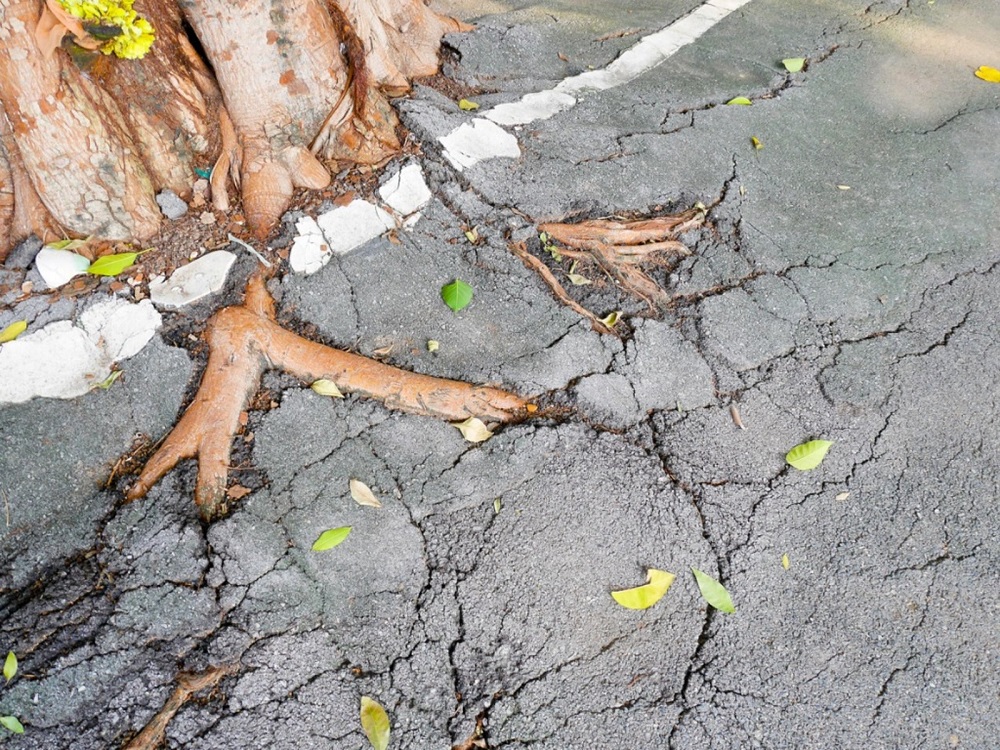
Another critical concern with tree roots is the impact they have on paved surfaces. Roots growing underneath sidewalks, roads, or driveways can cause the pavement to crack and lift. This type of damage not only detracts from the aesthetic appeal of a property but also creates safety hazards. Uneven sidewalks or roadways due to root intrusion can lead to tripping accidents or vehicle accidents, resulting in injuries and liability concerns.
The presence of invasive roots in paved areas often demands costly repairs or replacements of damaged infrastructure. If left unchecked, the ongoing pressure of growing roots can cause even more severe damage. Removing the tree whose roots are responsible can alleviate the risk of further harm, providing a safer and more stable environment for residents and visitors.
Protecting Underground Utilities
Tree roots have an undeniable ability to grow towards underground utilities, including water, gas, and electrical lines. This is particularly concerning when it comes to older properties or areas with aging infrastructure, where utility lines may be more susceptible to intrusion.
Roots have been known to infiltrate water pipes, causing blockages and leaks that not only disrupt the water supply but also lead to significant water damage in buildings. Gas lines are also vulnerable to root penetration, and in the worst-case scenario, this could result in dangerous gas leaks. Electrical lines buried beneath the surface can also be at risk, causing power outages and, in rare cases, electrical hazards.
By removing trees that are situated near critical utility lines, property owners can prevent the risk of roots causing disruptions or damage to these essential services. This is especially important when the growth of roots is already causing noticeable signs of distress, such as leaks, inconsistent water pressure, or power failures. Taking proactive steps to remove trees in these situations can avoid catastrophic failures.
Preventing Erosion and Soil Instability
While trees help stabilize soil through their roots, in some circumstances, their root systems can actually contribute to soil instability. In areas with steep slopes or where the soil is already compromised, the extensive root system of a large tree can create a situation where the roots themselves are responsible for destabilizing the land.
In cases where trees are growing on steep banks or hillsides, their roots may prevent soil erosion by anchoring the soil in place. However, in situations where the tree is too large for its environment or if the soil is already prone to erosion, the roots can cause more harm than good. The roots may disrupt the soil structure, leading to shifting, landslides, or flooding in the surrounding area.
Tree removal in such areas can reduce the risk of further destabilization and prevent issues related to erosion, especially when paired with soil management strategies such as planting ground cover or using erosion control techniques. By eliminating trees that pose a risk to soil stability, long-term damage to the surrounding land can be avoided.
Protecting Other Vegetation and Landscaping
Trees with aggressive root systems may not only damage infrastructure but can also interfere with other plants and vegetation in the area. Tree roots compete with surrounding plants for essential resources such as water, light, and nutrients. As the roots spread, they can suffocate smaller plants or disturb their growth, preventing them from thriving. This is particularly problematic for garden beds or other landscaped areas that rely on healthy soil conditions to flourish.
In cases where trees are causing significant interference with other landscaping efforts, removing them can restore balance to the environment. By eliminating a tree that is dominating the space, property owners can allow the remaining plants to access the necessary resources, helping them grow without being overshadowed by invasive roots.
Reducing the Risk of Future Root Damage
Another important consideration is the potential for tree roots to cause damage in the future. Even after a tree is cut down, its roots may continue to grow for some time, spreading further underground. The roots may also decay, causing uneven soil settling or creating voids that can compromise structural stability.
In these instances, removing the tree preemptively and ensuring that the root system is properly managed can reduce the risk of future damage. Removing both the tree and its root system effectively prevents it from continuing to affect the landscape and infrastructure. This preventative measure can save future headaches by addressing root-related problems before they can grow or worsen.
Environmental Considerations
While tree removal may seem like a straightforward solution, it is crucial to approach it with care, especially when considering the environmental implications. It is important to assess the overall impact on local wildlife and the ecosystem before proceeding with removal. In some cases, tree trimming or root pruning may be a less destructive alternative to complete removal.
Moreover, where tree removal is necessary, ensuring that the tree is replaced with another plant or a more suitable species for the area can help preserve the local environment and maintain biodiversity. By choosing trees that are less likely to cause future damage and selecting planting sites that minimize conflict with infrastructure, property owners can strike a balance between development and environmental sustainability.
Conclusion
Tree removal can be a vital strategy for preventing future root damage, whether that involves avoiding structural damage, protecting utilities, reducing soil erosion, or safeguarding other vegetation. While the decision to remove a tree should never be taken lightly, understanding its potential benefits for both safety and infrastructure can guide informed decisions. By considering factors such as the location of the tree, its root system, and the surrounding environment, property owners can ensure that they are taking the necessary steps to protect their land and investments from root-related damage.