

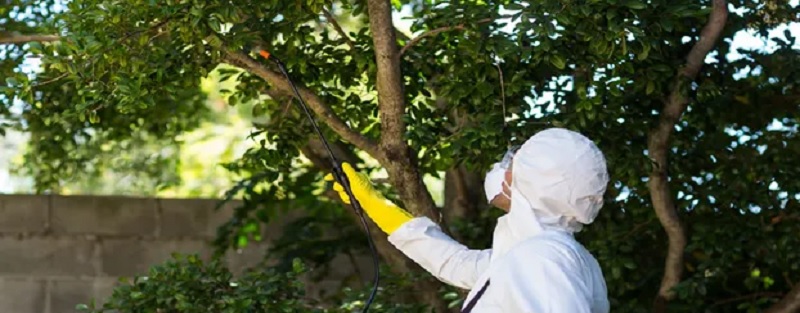
Maintaining a healthy and safe environment around your property involves more than just tending to the garden or cutting the grass. It also includes addressing issues that can arise from pests, which can threaten both the integrity of your property and your peace of mind. One of the most effective yet often overlooked methods of pest control is tree removal. While trees provide beauty and shade, they can also become havens for pests that may later spread to other areas of your home or garden. Understanding the role of tree removal in pest control can help you make informed decisions to keep your property pest-free.
Trees as Breeding Grounds for Pests
Trees, while essential to the ecosystem, can sometimes act as breeding grounds for various types of pests. Some insects and rodents thrive in the structure of trees, using them as shelter and food sources. For example, certain species of ants, termites, and beetles can infest a tree, burrowing into the bark and wood, where they can cause extensive damage over time. Similarly, squirrels and other small animals may build nests in tree branches, which can become a nuisance, especially when they begin invading homes.
Trees with rotting wood or dead branches are particularly attractive to pests. Deadwood is easier for insects to infest, and it may even be carrying pests that are hidden from sight. A healthy, living tree, while more resilient, can still harbor pests in its roots or in decaying parts of the tree. Over time, these pests can migrate from the tree to other parts of the property, causing broader infestations and even damage to your home.
Tree Removal: A Preventative Measure
The process of tree removal plays an important role in preventing pest problems from escalating. By removing a tree that has been infected with pests, you not only eliminate the pest habitat but also reduce the likelihood that they will spread to nearby trees or buildings. This is particularly important for pest species like termites, which can cause substantial damage to the structure of a home.
If the tree in question is already dead or in poor health, its removal is even more urgent. Dead trees and damaged branches serve as magnets for pests, and if not removed promptly, they can quickly become a larger problem. Tree removal stops the infestation at its source, preventing pests from continuing to spread.
Impact of Tree Removal on Pest Migration
One of the primary benefits of tree removal in pest control is that it stops the migration of pests from the tree to other parts of your property. For example, termites that inhabit a tree may move to nearby wooden structures, including fences, decks, or even the home itself. Similarly, animals such as squirrels or raccoons can enter attics, basements, or even walls when they’ve established nests in nearby trees.
By removing a tree that has become a hub for these pests, you disrupt their migration patterns. The lack of shelter and food sources forces these pests to relocate, often making it more difficult for them to find suitable places to live. This reduces the likelihood that they will invade other parts of your property, allowing you to take further pest control measures if necessary.
Tree Removal and the Protection of Nearby Vegetation
In some cases, pests that infest trees may also target other nearby plants or shrubs. For example, aphids, which are commonly found on trees, can spread to other plants in your garden, causing a chain reaction of infestations. By removing a pest-infested tree, you not only protect the tree itself but also safeguard other plants from being overrun by pests.
Additionally, trees that are overcrowded with other plants or growing too close to one another can create a humid environment that is ideal for the proliferation of mold and fungi. These conditions can attract pests like fungus gnats and other moisture-loving insects. Removing a tree that is contributing to such an environment can help regulate the overall health of the landscape, discouraging pest problems from taking hold.
The Role of Professional Tree Removal Services
While tree removal can be an effective method of pest control, it is important to consult with professional tree removal services to ensure the process is carried out safely and effectively. A certified arborist can assess the condition of the tree, identify any pest issues, and safely remove the tree without causing unnecessary damage to the surrounding landscape. Additionally, professionals can provide advice on whether pest treatments or preventive measures are needed after the tree has been removed.
Removing a tree involves more than just felling it; professionals will also ensure that the stump is properly addressed to prevent future issues. A tree stump can continue to attract pests like ants, termites, and beetles if left untreated. Stump grinding or other methods of stump removal can help prevent these pests from returning, making tree removal a more effective long-term solution for pest control.
Reducing Future Pest Problems
In some cases, tree removal can be part of a broader pest management strategy. By identifying and removing trees that are particularly vulnerable to pests, you can reduce the overall risk of infestation on your property. In addition, regular tree maintenance—such as trimming branches, removing dead wood, and inspecting trees for signs of pest activity—can further minimize the likelihood of pests taking hold in the first place.
In certain circumstances, tree removal may be necessary as part of a larger landscape redesign to improve the overall health of your property. If you’re experiencing recurrent pest problems, removing infected or overgrown trees can be the first step in creating a pest-resistant environment. Combined with other pest control measures, such as the use of pest-repellent plants or the application of treatments, tree removal can be an essential component of your strategy for a pest-free property.
The Importance of Proper Timing
Timing plays an important role in the effectiveness of tree removal for pest control. If a tree is heavily infested, it’s essential to act quickly to prevent pests from spreading. However, removing a tree during peak pest season—when pests are most active—may not yield the same results as removing the tree during off-peak times. Consulting with a professional can help determine the best timing for tree removal, ensuring that the tree is removed before pests have a chance to spread.
Final Considerations
Tree removal is a powerful tool in pest control, particularly when it comes to eliminating potential breeding grounds for pests and preventing infestations from spreading. By removing dead or infested trees, homeowners can prevent pests from migrating to other parts of the property and protect nearby vegetation from harm. Working with a professional tree removal service ensures that the process is done safely and effectively, providing long-term benefits for both your property and its surroundings. If pests have become a problem in your home or garden, tree removal could be an essential step in regaining control of your space.