

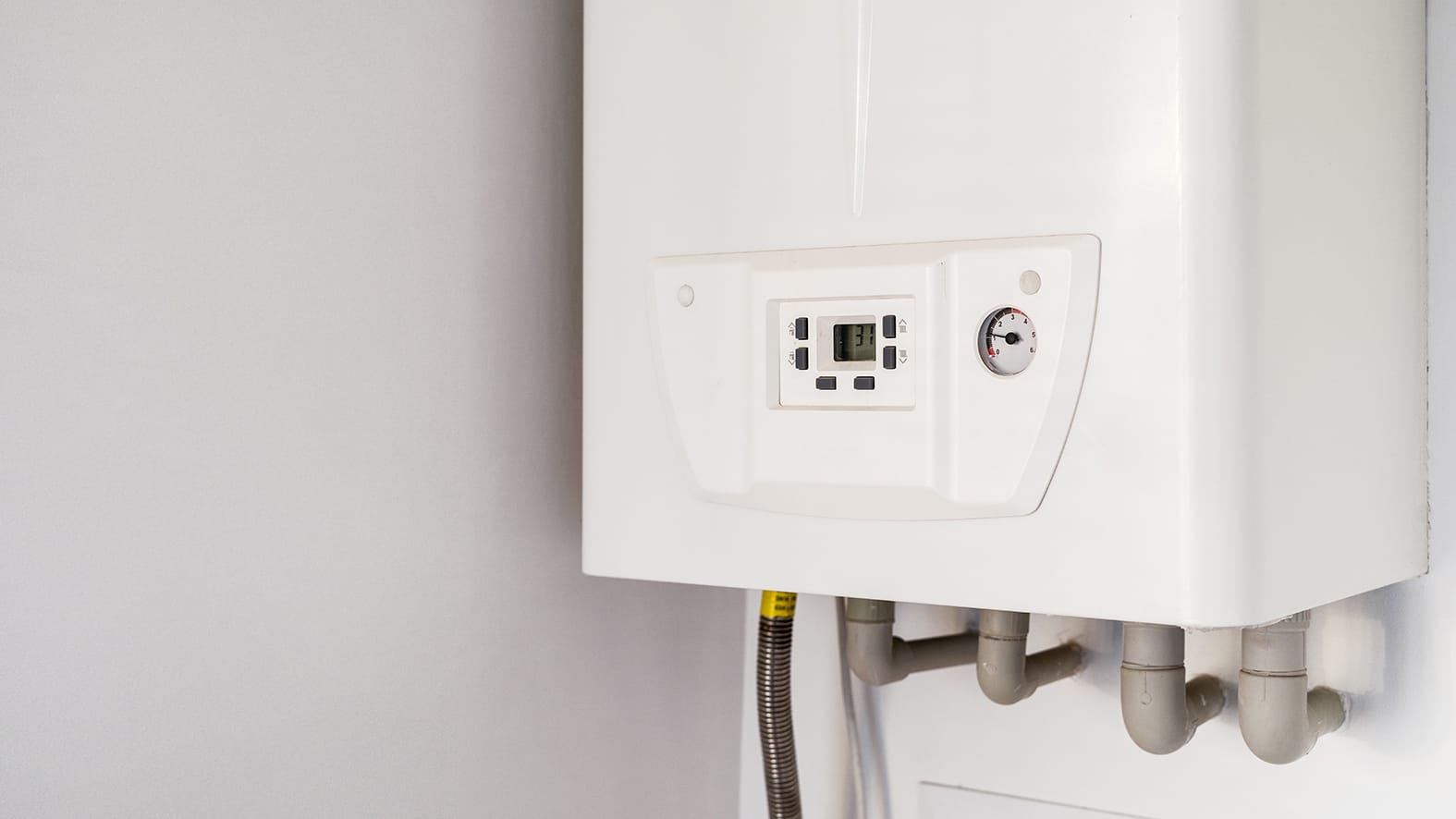
Upgrading to a more efficient boiler can bring many benefits, including lower energy bills, a warmer home, and a smaller environmental footprint. However, deciding when to replace your current boiler with a more efficient model can be a challenging decision. Various factors, such as the age, performance, and condition of your existing system, should influence your decision-making process. Here’s a detailed guide on how to know when it’s the right time to upgrade your boiler to a more efficient model.
1. Age of the Boiler
One of the most significant indicators that it may be time to upgrade your boiler is its age. Most modern boilers are designed to last between 10 to 15 years, depending on the make, model, and maintenance history. As a boiler ages, its efficiency decreases, and the likelihood of mechanical failures increases.
- Boilers Older Than 10-15 Years: If your boiler is more than 10 years old, it may be less energy-efficient compared to newer models. Older boilers generally operate at lower efficiency levels, meaning they use more fuel to heat your home and water, leading to higher energy bills. Replacing it with a modern, more efficient system could help you save money in the long term.
- Boilers Older Than 20 Years: If your boiler is over 20 years old, it’s likely time for an upgrade. These boilers were not designed to meet today’s efficiency standards, and repairing them can often be expensive and ineffective. A new, more efficient model would not only save you money but also provide a more reliable heating system.
2. Rising Energy Bills
If you’ve noticed that your energy bills have been steadily increasing, even though your heating habits haven’t changed, your boiler could be the culprit. As boilers age or start to malfunction, they may consume more energy to achieve the same level of heating. If your boiler is working harder to maintain the temperature, it’s likely burning more fuel, which directly leads to higher utility costs.
- Increased Energy Consumption: An inefficient boiler uses more energy to heat your home, resulting in inflated heating costs. Upgrading to a modern, high-efficiency boiler can dramatically reduce energy consumption. For example, modern condensing boilers can achieve efficiency levels of 90% or more, whereas older models may struggle to reach 70% efficiency.
3. Frequent Repairs and Breakdowns
If you find yourself constantly repairing your boiler, it may be a sign that it’s time to upgrade. While some repairs are inevitable over the lifespan of a boiler, frequent breakdowns can indicate that the system is no longer reliable and is consuming more energy to function.
- Increased Repair Costs: As your boiler ages, the cost of repairs can increase. When parts become obsolete or difficult to replace, repairs may become more expensive, and the chances of your boiler breaking down again increase. If you’re spending more on repairs than you would on a new boiler, it’s time to make the change.
- Unreliable Performance: A boiler that regularly breaks down or requires frequent maintenance can lead to prolonged periods of discomfort, especially during the colder months. A more efficient boiler will not only provide more reliable heating but will also be covered by a warranty, reducing repair concerns.
4. Strange Noises or Leaks
Boilers can begin to make strange noises, such as banging, whistling, or gurgling, when they are not functioning properly. These sounds could indicate issues such as air in the system, low water pressure, or a buildup of limescale, all of which can decrease efficiency and may be signs that the boiler is nearing the end of its life.
- Noises: A noisy boiler is often a sign that there’s an underlying problem, such as a build-up of sludge, air trapped in the system, or faulty components. If the noises persist despite repeated repairs, it could be time to consider a more efficient model.
- Leaks: Leaks around the boiler, whether from the pressure valve, pipes, or other parts, can cause water damage and decrease the boiler’s performance. If your boiler is leaking regularly, it’s likely that internal components are worn or damaged, and upgrading to a new, leak-free model is a wise decision.
5. Poor Heating Performance
A clear sign that your boiler might be failing is when it struggles to heat your home or provide hot water. If the temperature in your home is inconsistent or if you frequently run out of hot water, your boiler is likely struggling to meet your needs. Inadequate performance could also mean that the system is inefficient, wasting energy in the process.
- Uneven Heating: If your radiators are lukewarm or you can’t get enough hot water, your boiler may no longer be able to keep up with your heating demands. A modern boiler will be more capable of efficiently distributing heat across your home.
- Inconsistent Water Temperature: Running out of hot water more quickly than usual or experiencing fluctuating water temperatures may indicate that your boiler is no longer able to provide a consistent supply. A more efficient boiler will provide a steadier stream of hot water at a more consistent temperature.
6. Environmental Impact and Regulations
With increasing emphasis on reducing carbon footprints and energy consumption, upgrading to a more efficient boiler can also be an environmentally responsible choice. Older boilers release higher levels of carbon dioxide into the atmosphere, contributing to environmental pollution.
- Government Regulations: In many regions, government regulations and incentives encourage the adoption of energy-efficient appliances. If your current boiler does not meet modern emission standards, replacing it with an energy-efficient model can help reduce your household’s carbon emissions and qualify for potential rebates or incentives.
- Eco-Friendly Options: Newer boiler models, especially those designed to be more energy-efficient, are often more eco-friendly. Condensing boilers, for example, extract more heat from the exhaust gases and recycle the heat, which not only saves money but also reduces environmental impact.
7. Availability of Incentives
Depending on where you live, there may be government incentives or rebates available for upgrading your boiler. These programs can make upgrading to an energy-efficient boiler more affordable, helping offset the initial investment cost.
- Rebates and Tax Incentives: Many countries and states offer tax credits, rebates, or other financial incentives to homeowners who install energy-efficient systems. If you’re considering upgrading your boiler, check with local authorities or energy providers to see if there are any available programs.
8. Improved Technology and Comfort
Upgrading to a modern boiler isn’t just about efficiency—it can also provide better comfort. Newer boilers come with advanced features, such as smart thermostats, improved heating control, and quieter operation, all of which enhance the comfort of your home.
- Smart Features: Many modern boilers are equipped with Wi-Fi compatibility, allowing you to control your heating remotely via an app. This can help you manage your energy use more effectively and maintain a comfortable home environment at all times.
- Enhanced Comfort: Newer boilers are generally quieter and more reliable than older models, reducing the noise and hassle that can sometimes come with an older system. Additionally, advanced features like weather compensation can help adjust heating based on external conditions, ensuring your home stays comfortable year-round.
Knowing When to Upgrade
Ultimately, upgrading your boiler is a decision that should be based on a combination of factors, including the age of your current boiler, rising energy costs, frequent breakdowns, and your desire for improved comfort and efficiency. If you notice any of these signs, it may be time to invest in a more efficient boiler that will provide long-term savings, better performance, and a reduced environmental impact. By upgrading, you can ensure that your home stays warm, your water stays hot, and your energy bills stay manageable.