

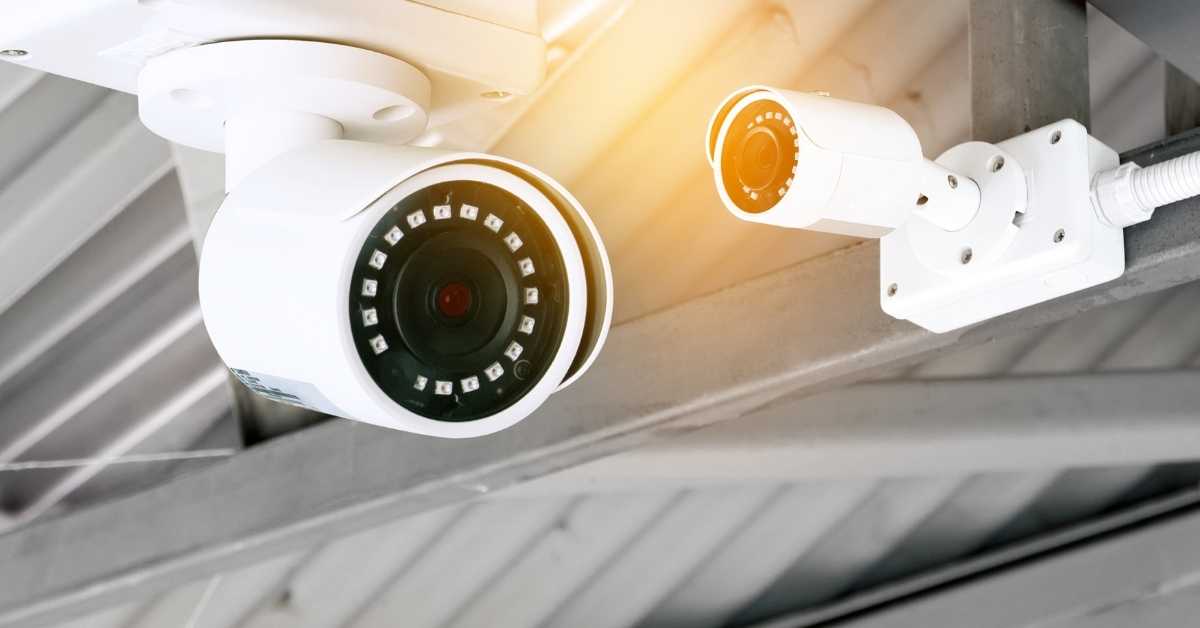
CCTV cameras are an essential component of modern security systems, offering peace of mind and ensuring the safety of both homes and businesses. However, even with the best equipment, many individuals make common mistakes when installing or using CCTV systems, which can compromise their effectiveness. These errors can range from poor camera placement to inadequate maintenance, often resulting in security vulnerabilities. In this article, we will explore some of the most frequent mistakes people make with CCTV cameras and provide practical advice on how to avoid them.
1. Incorrect Camera Placement
One of the most common mistakes in CCTV camera installation is placing cameras in improper locations. The effectiveness of a CCTV system depends largely on how well the cameras cover key areas. Placing cameras in areas with limited visibility or angles, such as corners, can significantly reduce their ability to capture meaningful footage.
Solution: To ensure optimal camera placement, start by identifying critical areas that need to be monitored, such as entryways, parking lots, storage rooms, and cash registers. Ensure that each camera has a clear line of sight and is positioned at an angle that provides maximum coverage. Avoid obstructions, such as trees or buildings, that can block the camera’s view. Additionally, consider the height of the camera to avoid tampering, while ensuring it captures the faces or actions of people in the area.
2. Failing to Account for Lighting Conditions
Lighting plays a crucial role in the clarity and effectiveness of CCTV footage. Many CCTV systems struggle in low-light conditions, and cameras that are not equipped with night vision may produce grainy or unusable footage when the area is poorly lit. Furthermore, improper lighting can lead to overexposure or underexposure, making it difficult to identify important details.
Solution: When installing CCTV cameras, it is important to consider the lighting conditions in the areas being monitored. For outdoor cameras, ensure that there is adequate lighting around entry points and other critical areas. In poorly lit areas, invest in cameras with infrared (IR) capabilities or night vision features. Additionally, avoid placing cameras directly in front of bright light sources, such as street lamps or windows, as this can cause glare and reduce image quality.
3. Neglecting to Cover Blind Spots
Another common mistake is failing to address blind spots in a security system. Blind spots are areas that are not covered by CCTV cameras, leaving them vulnerable to criminal activity. These spots are often overlooked, especially in larger properties or businesses with multiple floors.
Solution: During the planning stage, thoroughly assess the layout of the property and identify potential blind spots. Ensure that cameras are positioned to cover every corner, entrance, and exit. For larger areas, consider installing additional cameras or using pan-tilt-zoom (PTZ) cameras that can cover a wider area. If certain spots are not within the reach of stationary cameras, consider installing cameras with a wider field of view or using a combination of fixed and rotating cameras to cover those areas effectively.
4. Using Low-Resolution Cameras
While high-definition CCTV cameras are now more affordable, some people still opt for lower-resolution cameras to cut costs. Although low-resolution cameras may initially seem like a budget-friendly option, they often fail to capture critical details such as facial features, license plates, or other important identifiers. This can render the footage nearly useless if an incident occurs.
Solution: To ensure the clarity and usefulness of CCTV footage, choose cameras with a higher resolution, such as 1080p or 4K. Higher resolution cameras provide sharper images, making it easier to identify faces, vehicles, and objects in the footage. While high-resolution cameras may have a slightly higher upfront cost, they are a wise investment for effective surveillance.
5. Inadequate Storage and Backup Solutions
CCTV systems generate large amounts of video data, which needs to be stored securely for future reference. One common mistake is failing to invest in adequate storage solutions, leading to issues such as overwriting of important footage or insufficient space for long-term recordings. Without proper storage and backup systems, critical video evidence can be lost.
Solution: Ensure that your CCTV system has sufficient storage capacity based on your recording needs. Network Video Recorders (NVR) and Digital Video Recorders (DVR) come with varying storage options, so select one that offers enough space for a reasonable period of footage retention. Additionally, set up automatic backups or cloud storage to ensure that critical footage is safely stored and can be accessed later, if needed.
6. Overlooking Regular Maintenance
CCTV cameras require regular maintenance to ensure they continue functioning properly. Failure to clean the lenses, check for firmware updates, or inspect the system for potential issues can lead to malfunctioning cameras, poor image quality, or gaps in surveillance coverage.
Solution: Develop a routine maintenance schedule to inspect your CCTV system regularly. This should include cleaning the lenses of the cameras to prevent dirt, dust, or cobwebs from obstructing the view. Test the system to ensure that all cameras are working correctly, and make sure that the software is up to date. Additionally, check for any physical damage to the cameras or wiring and repair or replace any faulty components as needed.
7. Ignoring Privacy Concerns and Legal Regulations
In many countries, there are laws and regulations that govern the use of CCTV cameras, particularly when it comes to privacy. Many people unknowingly install cameras in locations that violate these regulations, such as recording areas where individuals have an expectation of privacy, such as bathrooms or changing rooms.
Solution: Before installing CCTV cameras, familiarize yourself with local laws and privacy regulations related to surveillance. In public spaces, cameras should be positioned to monitor only relevant areas such as entrances or exits, avoiding private areas where people may have an expectation of privacy. Additionally, it may be necessary to post signs or notify employees and visitors that surveillance is in place to comply with privacy laws.
8. Failing to Test and Monitor Footage
Finally, one of the most critical mistakes is failing to regularly monitor or review the footage captured by CCTV cameras. Even the best security system is ineffective if the footage is not checked or used when needed. Some businesses and homeowners may assume that the system will work flawlessly without actively monitoring it.
Solution: It is important to periodically review the footage to ensure that the system is functioning properly and that it is capturing relevant data. In business settings, this may involve assigning a team member to monitor live footage during high-risk periods. Additionally, set up alerts or motion detection features that notify you if any suspicious activity is detected, enabling a prompt response.
9. Not Integrating the CCTV System with Other Security Measures
While CCTV cameras are an essential part of a security system, relying on them alone is not always sufficient. Integrating CCTV cameras with other security measures, such as alarm systems, motion detectors, and access control systems, can create a more comprehensive and effective security strategy.
Solution: Consider integrating your CCTV system with other security components to enhance overall protection. For example, motion sensors can trigger the cameras to record when movement is detected, or alarms can notify security personnel or the authorities in the event of a breach. A multi-layered approach ensures that your property is protected from all angles and provides additional layers of security in case one system fails.
Conclusion
Avoiding these common CCTV camera mistakes will help ensure that your security system is effective and reliable. Proper camera placement, attention to lighting conditions, addressing blind spots, using high-resolution cameras, and investing in adequate storage and maintenance are all critical steps in optimizing the performance of your CCTV system. By taking the time to set up and maintain your system correctly, you can significantly enhance the security of your home or business, ensuring peace of mind and reducing the risk of security breaches.