

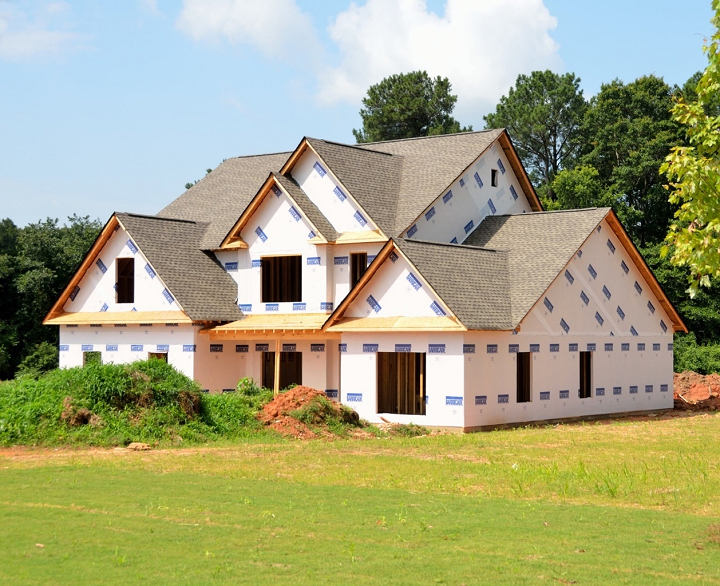
Have you been dreaming of buying your ideal house? Have you recently been checking out albany county real estate and imagining settling down there? It’s easy to get carried away with emotion as you begin the search for your perfect home. But this is a big investment, so you should evaluate the pros and cons of each option carefully before deciding on the best option when buying your home.
Today’s housing market is more dynamic than ever. With remote work, shifting urban trends, and increasing interest in suburban and semi-rural living, choosing the right home involves more than just liking the layout or curb appeal. To help you navigate this major decision with confidence, here are six things you should do before finalising your home purchase.
1. Evaluate the Neighbourhood and Its Connectivity
Location remains one of the most critical factors in real estate – not just for value appreciation, but also for day-to-day convenience and lifestyle.
-
Check transportation options: Evaluate public transit accessibility, traffic flow during peak hours, and major road connections. If you work remotely but occasionally commute, consider proximity to highways or rail links.
-
Plan your day-to-day movements: Do a trial run to your workplace, your child’s school, or local amenities during rush hour to gauge commute times and traffic conditions.
2. Explore Public Services and Lifestyle Amenities
The surrounding infrastructure can dramatically affect your quality of life. Be sure the neighbourhood has what you need — not just now, but for the future.
-
Healthcare and education: Ensure proximity to reliable hospitals, general practitioners, and quality schools (public or private).
-
Community and leisure spaces: Look for nearby grocery stores, gyms, restaurants, parks, and family-friendly areas like playgrounds and pedestrian-friendly streets.
-
Digital infrastructure: In today’s tech-driven lifestyle, access to fast and reliable internet (especially fibre optics) is a must — particularly if you work from home or stream content heavily.
3. Assess the Environmental Quality and Pollution Risks
Environmental quality goes far beyond how green a place looks. Make sure the area supports a healthy lifestyle.
-
Air and water quality: Check for any nearby factories, industrial zones, or waste-processing facilities that might affect air or water.
-
Noise levels: Investigate noise pollution from traffic, train lines, airports, nightlife, or local businesses. Visit the area during both daytime and nighttime to get a realistic feel.
-
Sustainable living: Some newer developments prioritise eco-conscious building designs and green community features. These homes often offer better insulation, energy efficiency, and even solar panel readiness.
4. Understand the Community and Your Potential Neighbours
A great house can lose its charm quickly if the neighbourhood doesn’t suit your lifestyle or expectations.
-
Community vibe: Do you prefer a quiet, family-friendly area or a vibrant, social neighbourhood? Spend time walking around the neighbourhood or checking local community groups online.
-
Housing density: Detached homes or bungalows (like those in Maydenhayes Mornington) typically offer more privacy. Condos or townhouses may offer more amenities but come with closer neighbours.
-
Noise and activity: Gauge how active your future neighbours are. Are there pets, children, parties? Try visiting during weekends or evenings to observe activity levels.
5. Investigate Safety and Security
Security is fundamental to peace of mind, especially in a new and unfamiliar area.
-
Crime statistics: Use official crime mapping tools or community forums to check for recent incidents in the area.
-
Lighting and visibility: Look for well-lit streets, maintained sidewalks, and visible community watch signs.
-
Gated communities and surveillance: Many modern developments offer integrated security systems, smart entry points, and 24/7 monitoring — all of which are worth considering.
6. Research Future Development and Urban Planning
What looks like a quiet, peaceful neighbourhood today could become a bustling commercial hub tomorrow — or vice versa. Staying informed about what’s planned for the area is key.
-
Municipal planning office: Check with local authorities for zoning changes, upcoming highways, commercial buildings, or high-rise residential developments.
-
Infrastructure upgrades: Projects like new schools, parks, or retail centres can boost your home’s long-term value.
-
Construction timelines: If buying in a new development, confirm the timeline for full project completion and whether nearby phases will be under construction after you move in.
Final Thoughts
Buying a house is one of the biggest life decisions you’ll make — and getting it right requires more than browsing beautiful listings online. A little research into the location, community, and future of your chosen area can go a long way in ensuring your new home is not just a good investment, but the right fit for your lifestyle.
Local expertise can make that research far more actionable, especially in markets with specialised property types like equestrian or luxury homes. For buyers focused on Wellington and Palm Beach County, working with agents familiar with neighbourhood nuances, school zones, and seasonal market shifts can save time and prevent costly surprises; this wellington fl real estate company offer detailed listings and market insights specific to the area. They can also help evaluate considerations unique to the region—stables, flood zones, and community covenants—that general guides may overlook. Consulting such localized information complements the checklist above and helps align your priorities with real market conditions.
By considering the six factors above, you’ll put yourself in the best position to find a home that truly aligns with your present and future needs.
❓Frequently Asked Questions (FAQ)
1. What is the most important factor when buying a new home?
The most critical factor is location. A great home in the wrong neighbourhood can affect your quality of life and property value. Always evaluate proximity to work, schools, healthcare, public transport, and future developments.
2. How do I check the safety of a neighbourhood?
Use tools like local police department websites, crime mapping platforms, or apps like NeighbourhoodScout and SpotCrime. Also, talk to current residents and observe lighting, fencing, and general upkeep of the area.
3. Should I buy a home in a developing area?
Yes, but with caution. Developing areas can offer lower prices and higher long-term returns, but ensure you review local planning documents, infrastructure timelines, and talk to real estate experts about potential risks or delays.
4. How can I tell if a neighbourhood will be noisy or polluted?
Visit the area at different times of day and week (especially evenings and weekends). Listen for traffic, check proximity to busy roads, railways, or nightlife, and ask neighbours about their experience with noise or air pollution.
5. Is it worth investing in homes with smart or green features?
Absolutely. Homes with energy-efficient systems, smart security, or solar-ready infrastructure not only lower utility bills but are increasingly preferred by buyers, improving resale value.
6. What questions should I ask my real estate agent before buying?
Ask about:
-
Local zoning changes or planned construction
-
Average resale values in the neighbourhood
-
Utility costs and property taxes
-
HOA fees or restrictions (if applicable)
-
Any known issues with the property or area