

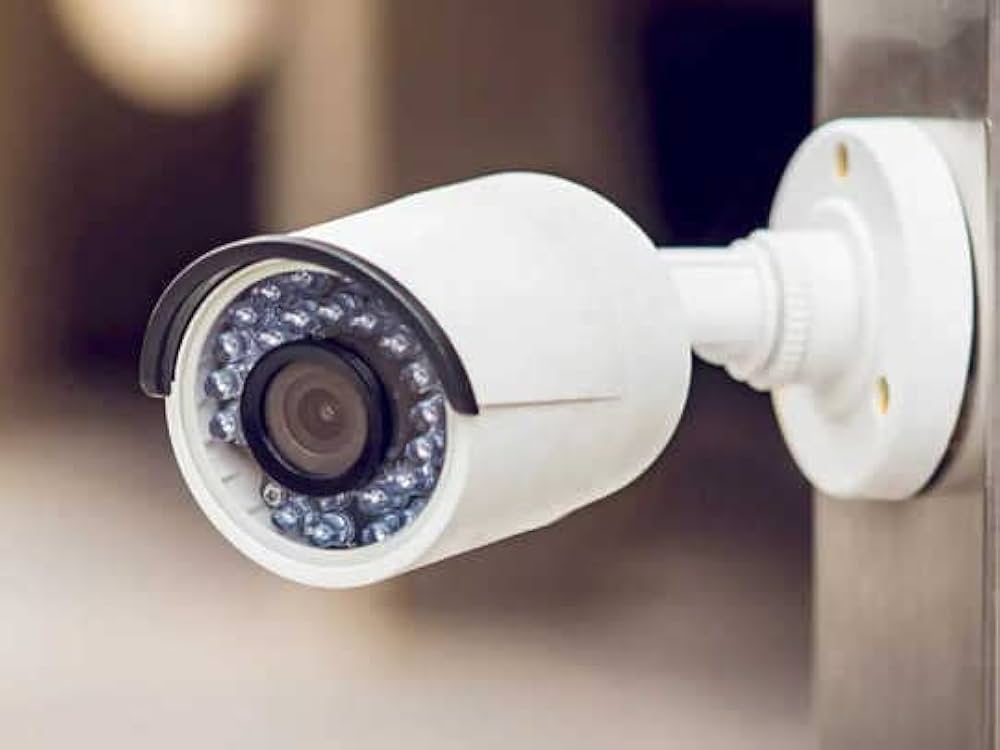
When it comes to protecting your property, CCTV cameras are an essential component of any security system. However, for those looking to install cameras in outdoor or exposed environments, choosing a weatherproof CCTV camera becomes a crucial decision. Weatherproof cameras are designed to withstand the harsh elements—whether it’s rain, snow, extreme temperatures, or dust—ensuring reliable performance and durability in all conditions. But with so many options available, how do you choose the right one? Here are some essential tips to guide you through the process of selecting a weatherproof CCTV camera.
CCTV Letchworth provides affordable and reliable security systems for all budgets. With scalable options, residents and businesses in Letchworth can invest in security without financial strain.
1. Understand the Importance of Weatherproof Rating
Before making any decision, it is essential to understand the IP (Ingress Protection) rating of a camera, as this indicates its level of weather resistance. The IP rating consists of two digits: the first represents protection against solid objects (dust, dirt, etc.), and the second represents resistance to liquids (rain, water jets, submersion).
For example, an IP66-rated camera is highly resistant to dust (first digit 6) and can withstand powerful water jets (second digit 6). For most outdoor environments, a camera with an IP65 or higher rating is recommended, as it ensures protection against both dust and rain, keeping the camera safe in most weather conditions. Make sure to choose a camera with an appropriate IP rating that matches the environmental factors in your location.
2. Consider the Camera’s Durability and Build Quality
The physical construction of the CCTV camera is a key factor in its ability to withstand external weather conditions. Look for cameras that are made from high-quality materials such as aluminum or high-grade plastic, which can withstand impacts, corrosion, and extreme weather. Cameras with metal casings tend to offer better protection against the elements compared to plastic ones, making them more durable over time.
Additionally, consider the weight and overall sturdiness of the camera. If you’re installing it in an area prone to heavy winds or storms, choosing a camera that is robust and firmly constructed will ensure it stands the test of time.
3. Check for Temperature Tolerance
Outdoor cameras need to function effectively in a wide range of temperatures, from freezing cold to sweltering heat. A weatherproof CCTV camera should be able to handle these temperature fluctuations without compromising performance.
Many weatherproof cameras are equipped with built-in heaters or fans that regulate the temperature within the camera casing, ensuring that the internal components remain functional even in extreme conditions. If you live in an area with very hot summers or cold winters, check the camera’s operating temperature range. For cold climates, a camera with low-temperature tolerance is essential, while cameras with high-temperature resistance are needed for hotter environments.
4. Opt for Night Vision Capabilities
Outdoor environments can be challenging in terms of lighting, especially at night or in poorly lit areas. A weatherproof CCTV camera should offer high-quality night vision capabilities to ensure it provides clear footage 24/7, regardless of the time of day. Look for cameras equipped with infrared (IR) LEDs or other night vision technology, which allow them to capture detailed images in low-light conditions.
The range of the camera’s night vision is another important factor to consider. Depending on the area you wish to monitor, you may need a camera with a longer IR range. Some models offer night vision that extends up to 100 feet or more, providing visibility even in dark or shadowed areas.
5. Wireless vs. Wired CCTV Camera
Choosing between a wireless or wired CCTV camera largely depends on the installation environment and your specific needs. Wireless cameras are generally easier to install, especially in areas where running cables is not feasible. However, wireless cameras may be more susceptible to signal interference from weather conditions or obstacles like trees and buildings.
Wired CCTV cameras, on the other hand, are typically more reliable in terms of maintaining a stable connection and can provide a continuous power supply, which is particularly important for outdoor installations where wireless cameras may require frequent battery replacements. When choosing a weatherproof camera, consider your infrastructure and the area where the camera will be installed before deciding on a wireless or wired option.
6. Look for Anti-Fog and Anti-Condensation Features
Condensation and fogging inside the camera lens can severely affect its performance and image quality. In humid environments or areas with drastic temperature changes, moisture can build up inside the camera, causing visibility issues and possibly damaging the internal components.
To combat this, look for weatherproof CCTV cameras with built-in anti-fog and anti-condensation features. These cameras often have special coatings on the lens or ventilation systems that prevent moisture from accumulating, ensuring clear, uninterrupted video quality regardless of the weather.
7. Evaluate the Camera’s Field of View and Coverage Area
When selecting a weatherproof CCTV camera, it’s important to consider the camera’s field of view. Depending on the location of the installation, you may need a wide-angle lens or a camera with a pan-and-tilt function to ensure complete coverage of the area you wish to monitor. Wide-angle lenses are useful for monitoring large, open spaces like parking lots or gardens, while PTZ (pan-tilt-zoom) cameras are ideal for covering areas where a more dynamic range of movement is required.
In addition, make sure the camera can focus on the desired points of interest without too much distortion or blurriness. A camera with adjustable focal lengths will give you greater flexibility to adapt the field of view as per your specific needs.
8. Ensure Compatibility with Your Existing Security System
Before purchasing a weatherproof CCTV camera, ensure that it is compatible with your existing security infrastructure. Many modern CCTV cameras are compatible with smartphone apps and can be accessed remotely, allowing you to monitor footage in real time from any location. Additionally, some cameras integrate seamlessly with existing alarm systems, providing comprehensive security coverage.
Make sure to choose a camera that is easy to connect to your existing system and offers integration options with other security devices like motion sensors, alarms, and access control systems. This integration will help you create a more effective and centralized security solution.
9. Check for Motion Detection and Alerts
Motion detection is a critical feature in any CCTV camera, especially for outdoor installations. With weatherproof CCTV cameras, motion detection not only helps to monitor activity but can also trigger alerts to notify you of suspicious behavior or potential threats. This can save time and ensure that you respond quickly to security concerns.
Look for cameras that offer adjustable motion detection sensitivity, allowing you to customize the alerts based on the specific environment. Some cameras even come with advanced features like person detection, reducing the number of false alarms triggered by animals or other non-threatening movements.
10. Look for a Warranty and Customer Support
Lastly, consider the warranty and customer support offered by the manufacturer. Weatherproof CCTV cameras represent an investment in your property’s security, so you want to be sure you have backup in case something goes wrong. A reliable warranty can help protect your investment, while responsive customer support ensures you can get help quickly if you encounter any issues with the camera.
Conclusion
Choosing a weatherproof CCTV camera is a vital decision when it comes to safeguarding outdoor areas. By understanding the importance of IP ratings, durability, temperature tolerance, and night vision capabilities, you can select a camera that not only withstands the elements but also provides reliable and high-quality surveillance. With careful consideration of your needs and the factors listed above, you can enhance the security of your property with confidence, knowing your weatherproof CCTV camera will stand up to the test of time.