

Selecting the right heater for your home is not simply a matter of turning it on and off. It involves carefully considering several factors, ensuring that the heater provides efficient warmth, operates safely, and suits your space’s specific needs. Whether you’re heating a small bedroom or a large living room, the right heater can significantly impact comfort, energy consumption, and the overall atmosphere of your home. Here’s a detailed guide to help you choose the perfect home heater for your space.
1. Assess the Size of Your Space
The first and most crucial factor in selecting the right heater is the size of the area you need to heat. Different rooms have different heating requirements, so it’s essential to determine the square footage of the space. A heater that is too small may struggle to warm the room effectively, while a heater that is too large could result in unnecessary energy consumption.
To calculate the room size, measure the length and width, then multiply these figures to get the square footage. For instance, a 10×12 foot room equals 120 square feet. For a general guideline, a heater typically requires about 10 watts of power for each square foot. So, for a 120-square-foot room, you would need a heater with at least 1,200 watts of power. Be sure to consider the ceiling height as well—rooms with higher ceilings may need more power for proper heat distribution.
2. Understand Different Heater Types
There are several types of heaters, each with its benefits and ideal applications. The most common include:
- Convection Heaters: These heaters work by warming the air in the room and circulating it throughout the space. They are ideal for medium to large rooms as they provide consistent and gentle heat. Electric baseboard heaters and wall-mounted convection heaters are examples of this type.
- Radiant Heaters: Radiant heaters heat objects and people directly in their line of sight rather than the air. They are ideal for smaller spaces or when you need immediate heat in a specific area. Infrared heaters are a popular choice for this type of heating.
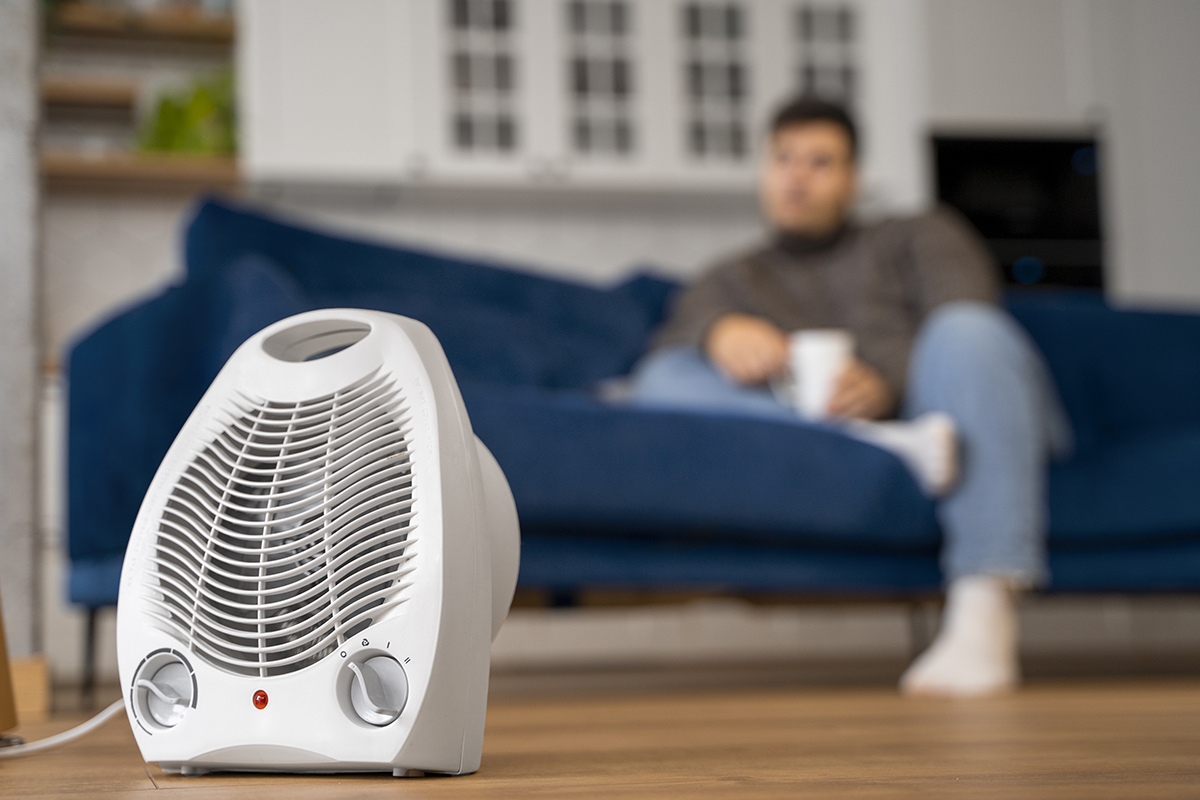
- Fan Heaters: These heaters use a fan to blow warm air into the room, making them great for quick heating. They are typically compact and portable, suitable for smaller spaces or temporary heating needs.
- Oil-Filled Heaters: These heaters work by heating oil inside the unit, which then radiates warmth throughout the room. They are known for their silent operation and ability to provide long-lasting heat, making them ideal for bedrooms or quiet areas.
3. Consider Energy Efficiency
Energy efficiency should always be a priority when selecting a heater. An energy-efficient heater will help you reduce electricity bills while ensuring the space is adequately heated. Modern heaters come with various energy-saving features like thermostats, timers, and eco-modes, which automatically adjust the heater’s output based on room temperature.
Electric heaters are typically more energy-efficient compared to gas or oil-based systems because they convert almost all the energy they consume into heat. However, it’s important to select a model that is energy-efficient, so it uses less electricity. Look for heaters with Energy Star ratings, which indicate that the unit has passed specific efficiency tests.
4. Think About Heating Time
Some heaters are designed for instant warmth, while others provide more gradual, consistent heating. If you need heat quickly—perhaps in a chilly room during the morning—a fan heater or radiant heater would be ideal. These models are designed to heat up quickly and warm up the area almost immediately.
On the other hand, if you’re looking for steady warmth over a longer period of time, consider a convection or oil-filled heater. These heaters take a little longer to warm up but offer consistent heat that lasts for hours, which can be more energy-efficient in the long run.
5. Safety Features
Safety is an important consideration, especially if you have children or pets in the household. Modern home heaters come with a variety of safety features designed to prevent accidents and ensure peace of mind. Some key safety features to look for include:
- Tip-over Switches: These automatically turn off the heater if it is knocked over, preventing the risk of fire.
- Overheat Protection: This feature ensures that the heater automatically turns off if it reaches unsafe temperature levels.
- Cool-Touch Exteriors: Some heaters are designed with cool-touch surfaces, so you don’t need to worry about burns from touching the unit.
Selecting a heater with these safety features will ensure that your home remains comfortable and secure.
6. Noise Levels
Consider how noisy the heater will be during operation. Some heaters, especially fan-based models, can be noisy and may not be ideal for bedrooms or quiet spaces. If you need a heater for a room where you spend a lot of time relaxing, working, or sleeping, opt for a model with quiet operation. Oil-filled and convection heaters are typically quieter than fan-based or forced-air models, making them a good choice for bedrooms or offices.
7. Design and Portability
While the primary function of a heater is to provide warmth, it should also blend seamlessly into your home’s décor. Modern heaters come in various designs, from sleek, minimalist models to more traditional-looking units. Choose a design that complements your interior style, whether it’s a compact, portable unit for flexibility or a wall-mounted heater that takes up no floor space.
Portability is also important if you plan to move the heater between different rooms. Look for lightweight models with handles or wheels that make them easy to transport.
8. Additional Features and Smart Controls
Many high-end heaters come with additional features that increase convenience and comfort. Some advanced models include smart thermostat functionality, which allows you to set schedules or control the heater remotely via a smartphone app. This feature is especially useful if you want to preheat a room before you arrive or reduce energy use when you are away.
Programmable timers are another feature to consider. These timers allow you to set the heater to operate only when needed, further improving energy efficiency.
9. Budget Considerations
Your budget will naturally play a role in the type of heater you select. While it may be tempting to choose a low-cost model, consider the long-term cost savings of investing in a more energy-efficient and durable heater. Higher-end models may cost more upfront but save money in the long run due to their energy efficiency and durability.
Final Thoughts
Choosing the right heater for your space involves a balance of practicality and comfort. By considering the size of the space, the type of heater, energy efficiency, safety features, and other factors, you can make an informed decision that meets your heating needs while enhancing your living environment. Whether you’re heating a small room or a large area, the right heater will ensure that your home stays warm and inviting all winter long.