

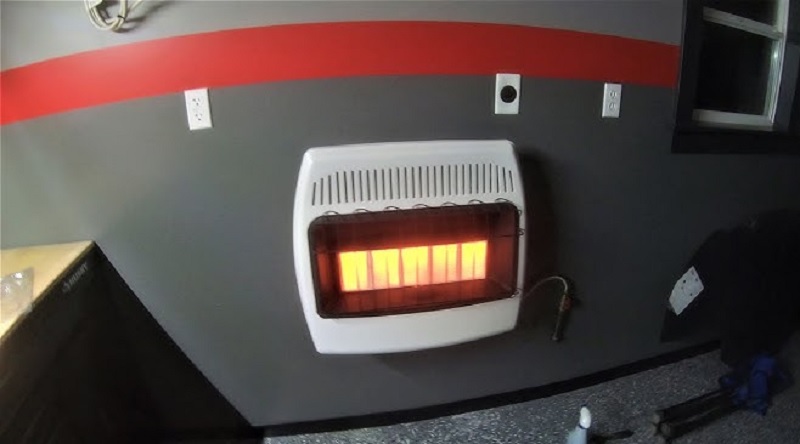
When it comes to heating your home efficiently and effectively, there are numerous options to consider. Among them, dual-fuel home heaters are becoming increasingly popular. These systems combine two different energy sources to provide a flexible and often more efficient heating solution. But what exactly is a dual-fuel home heater, and is it the right choice for your home? Let’s explore the details to help you make an informed decision.
Understanding a Dual-Fuel Home Heater
A dual-fuel home heater is a heating system that utilizes two different energy sources, typically electricity and gas, to warm your home. The most common combination involves using an electric heat pump in conjunction with a gas furnace. This dual system allows you to harness the benefits of both energy sources, switching between them depending on which one is most cost-effective or efficient at any given time.
The primary function of a dual-fuel system is to optimize energy usage by automatically selecting the most efficient heating method based on the outside temperature and energy costs. In milder weather conditions, the heat pump, which uses electricity, can efficiently heat your home. However, when the weather turns colder and the heat pump’s efficiency decreases, the gas furnace takes over, providing more powerful heat at a lower operating cost.
How Does a Dual-Fuel Home Heater Work?
In a dual-fuel setup, the system is designed with a control mechanism that constantly monitors the outdoor temperature and energy prices. This system makes automatic decisions based on those factors. For example, during warmer months or on days with moderate temperatures, the heat pump draws in heat from the outside air to warm the home. This process is highly efficient and cost-effective because it uses less energy than traditional electric heating methods.
When the temperature drops significantly, the efficiency of the heat pump can diminish, and the gas furnace becomes more reliable for providing the required warmth. The furnace burns natural gas to generate heat, which is often more affordable compared to electricity, especially during peak demand times or in colder climates.
Benefits of a Dual-Fuel Home Heater
- Energy Efficiency and Cost Savings One of the main advantages of a dual-fuel home heater is its ability to optimize energy use. By automatically switching between the more energy-efficient heat pump and the more cost-effective gas furnace, the system ensures that your home is heated using the most economical source of energy at any given time. In many cases, this translates to lower energy bills, especially in regions with fluctuating energy prices or variable weather conditions.
- Year-Round Comfort Dual-fuel heaters offer comfort in both winter and summer. The heat pump can also function as an air conditioner during hot weather, providing you with a year-round solution for temperature control. This versatility eliminates the need for separate systems for heating and cooling, streamlining your home’s energy management and saving you space.
- Environmental Benefits Since heat pumps run on electricity, which can be generated from renewable sources, they are generally more eco-friendly compared to gas furnaces alone. When using electricity from renewable energy sources, a dual-fuel system reduces your carbon footprint. Additionally, by reducing the overall reliance on fossil fuels for heating, dual-fuel systems contribute to a greener home.
- Increased Home Value Homes equipped with modern, efficient heating systems like dual-fuel units are often seen as more attractive to potential buyers. The versatility, cost savings, and eco-friendliness of such systems can add value to your home and make it more appealing in the real estate market.
Is a Dual-Fuel Home Heater Right for You?
While dual-fuel home heaters offer many benefits, they may not be the best choice for every homeowner. Here are some factors to consider before deciding if a dual-fuel system is right for your home.
- Climate Dual-fuel systems are particularly well-suited for areas with moderate climates where temperatures fluctuate throughout the year. If you live in a region with extremely cold winters or persistently warm temperatures, a dual-fuel system may be less efficient or unnecessary. In extremely cold climates, a gas furnace may be sufficient on its own, while in areas with hot summers, a dedicated air conditioning system might be preferable.
- Energy Prices The cost-effectiveness of a dual-fuel system is directly tied to energy prices. If electricity prices are high in your area, you might find that running a heat pump for heating is less cost-effective than relying solely on gas. Conversely, in areas where natural gas prices are steep, using the heat pump for most of the year could save you money. It’s essential to evaluate local energy prices and the potential for fluctuations when considering a dual-fuel system.
- Installation Costs Installing a dual-fuel system generally involves a higher upfront investment compared to traditional heating systems. This is because the installation requires both a heat pump and a gas furnace, as well as the necessary ductwork and controls to ensure the two units work together efficiently. However, the long-term savings in energy costs can offset the initial investment.
- Maintenance Like all heating systems, dual-fuel heaters require regular maintenance to ensure optimal performance. Both the heat pump and the furnace must be serviced periodically, which can increase maintenance costs. It’s important to factor in these costs when deciding if a dual-fuel system is the right choice for your home.
Conclusion
A dual-fuel home heater can provide significant benefits in terms of energy efficiency, cost savings, and environmental impact, making it an attractive option for homeowners in suitable climates. However, it’s essential to consider factors such as your local climate, energy prices, installation costs, and maintenance requirements before making a decision. By carefully evaluating these elements, you can determine if a dual-fuel home heater is the ideal solution for your home’s heating needs.