

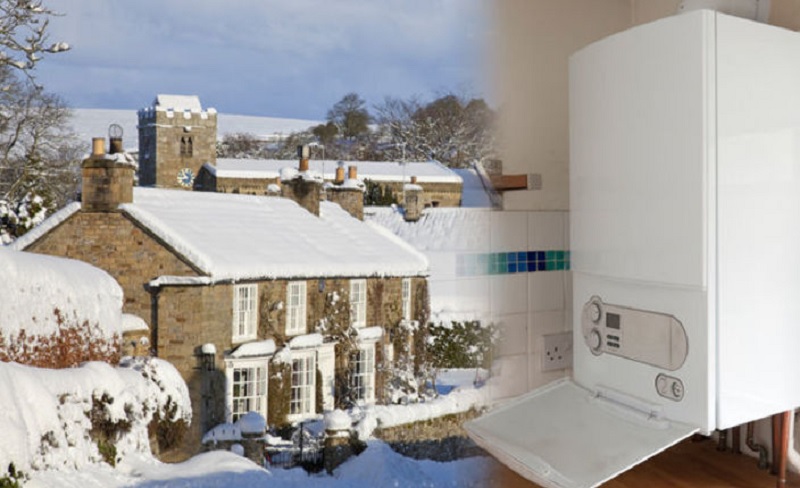
As temperatures plummet during the winter months, one common issue many homeowners face is the freezing of their boiler or its external components, such as the condensate pipe. A frozen boiler can lead to system shutdowns, costly repairs, and a cold, uncomfortable home. Fortunately, there are effective measures you can take to safeguard your boiler from freezing, ensuring it runs smoothly and efficiently throughout the winter.
Understanding Why Boilers Freeze
Modern boilers, particularly condensing boilers, are highly efficient but are not immune to extreme weather conditions. The most vulnerable part of the boiler is the condensate pipe, which expels water vapor created during operation. In sub-zero temperatures, this water can freeze, blocking the pipe and causing the boiler to shut down as a safety measure.
Other factors, such as insufficient insulation, long periods of inactivity, or poorly maintained systems, can increase the risk of freezing. By addressing these issues proactively, you can avoid unexpected breakdowns during the coldest months.
Key Steps to Prevent Boiler Freezing
1. Insulate the Condensate Pipe
One of the most effective ways to prevent freezing is to insulate the condensate pipe. This pipe is typically located outside the home, making it particularly susceptible to low temperatures. Foam pipe lagging is an affordable and easy-to-install solution that provides insulation and protects the pipe from the elements.
For homes in areas prone to extreme cold, consider rerouting the condensate pipe to an internal drain where possible. This eliminates exposure to freezing conditions altogether.
2. Maintain a Consistent Thermostat Setting
Keeping your heating system active during particularly cold weather is essential. Boilers are more likely to freeze if they remain inactive for long periods. Setting your thermostat to maintain a low but consistent temperature, even when you’re away from home, ensures water continues to circulate, reducing the risk of freezing.
This approach is especially beneficial during overnight hours when temperatures tend to drop significantly.
3. Use the Boiler’s Frost Protection Mode
Many modern boilers come equipped with a frost protection feature. When activated, this mode automatically turns the boiler on if the temperature drops below a certain level, preventing water inside the system from freezing.
Ensure your boiler’s frost protection function is enabled and functioning correctly. If you’re unsure about this feature, consult your boiler’s manual or contact a qualified engineer for guidance.
4. Keep Your Boiler Serviced
Regular servicing is critical to keeping your boiler in optimal condition. A professional inspection can identify any issues that may make your boiler more vulnerable to freezing, such as leaks, blockages, or worn components.
Scheduling an annual service before the onset of winter ensures your system is prepared to handle colder temperatures. A well-maintained boiler is far less likely to encounter freezing problems.
5. Monitor the Location of the Boiler
If your boiler is installed in a particularly cold or draughty area, such as a garage or loft, it may be at a higher risk of freezing. In such cases, additional insulation or draught-proofing in the surrounding area can help maintain a stable temperature.
For extreme cases, you may want to explore relocating the boiler to a more insulated part of the home. While this is a more significant investment, it can prevent recurring issues with freezing.
6. Keep an Eye on Weather Forecasts
Monitoring the weather allows you to take preventive action during periods of extreme cold. If freezing temperatures are predicted, consider increasing the heating frequency or adjusting your thermostat settings temporarily.
Small adjustments to your heating routine during cold spells can make a big difference in preventing system failures.
7. Thawing a Frozen Condensate Pipe
Despite your best efforts, there may be occasions when your condensate pipe freezes. If this happens, it’s essential to address the issue promptly to restore your boiler’s functionality.
To thaw the pipe safely:
- Use warm (not boiling) water to pour over the pipe. Start from the middle and work toward the ends.
- Alternatively, apply a warm cloth or heat pack to the frozen section of the pipe.
- Once the ice has melted, reset your boiler and check if it resumes operation.
If these steps don’t resolve the issue, or you’re unsure about attempting them, contact a Gas Safe-registered engineer for assistance.
Benefits of Proactive Boiler Protection
Taking steps to prevent your boiler from freezing not only reduces the likelihood of breakdowns but also helps maintain energy efficiency. A frozen boiler can cause undue stress on the system, potentially leading to long-term wear and tear. Additionally, proactive maintenance ensures a consistent supply of heat and hot water during the months when you need it most.
By addressing potential vulnerabilities before winter sets in, you can avoid disruptions and enjoy a warm, comfortable home no matter how cold it gets outside. Keep your boiler running smoothly and let winter weather be nothing more than a passing concern.