

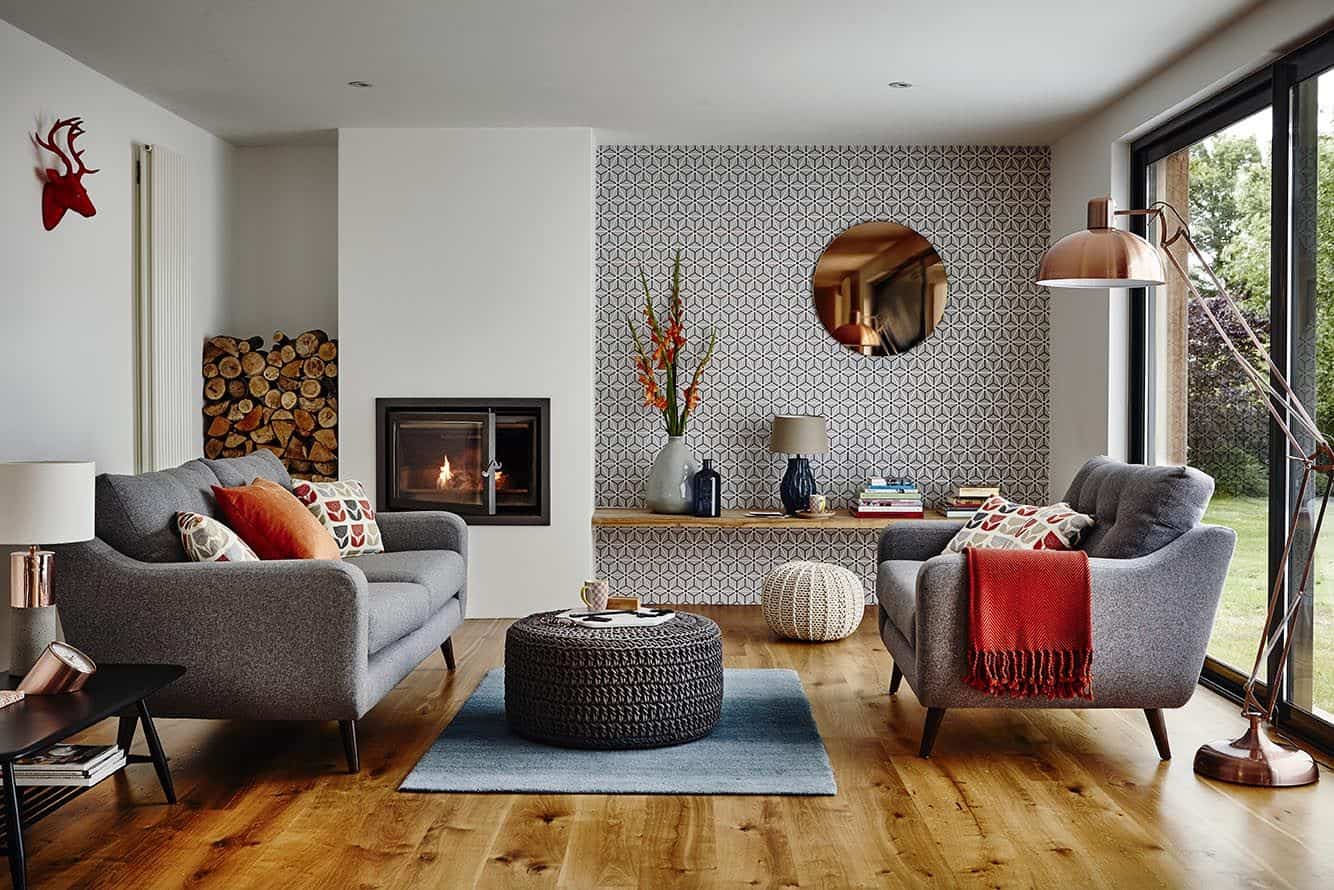
Walking into a room that feels entirely ordered from a single catalog can feel sterile and uninspired. True interior design relies on depth, personality, and contrast. One of the most effective ways to achieve this dynamic atmosphere is by blending modern and vintage elements. When executed properly, this combination marries the sleek functionality of contemporary manufacturing with the soulful narrative of historical pieces.
However, mixing eras is a delicate balancing act. Without a clear strategy, a space can quickly transition from a curated masterpiece into a cluttered flea market or a disorganized storage room. Succeeding at this aesthetic balance requires an understanding of scale, texture, color theory, and the invisible threads that tie seemingly unrelated objects together.
Establish the Core Rule of Proportions
The most frequent mistake homeowners make when blending eras is attempting a perfect fifty-fifty split. When you include equal amounts of modern and vintage furniture, the styles compete for dominance, creating visual confusion. Instead, design professionals recommend adhering to an 80-20 ratio.
Choose one design style to serve as the foundation of the room, occupying roughly eighty percent of the visual footprint. If you prefer a clean, minimal look, your foundational elements should be modern. This means sleek sofas, built-in cabinetry, and neutral wall tones. The remaining twenty percent of the room is then dedicated to statement vintage pieces, such as an antique wooden chest, a retro lighting fixture, or an ornate gilded mirror. Conversely, if your home features historic architecture with original crown molding and wood floors, you can use the vintage backdrop as your eighty percent and introduce twenty percent ultra-sleek, minimalist modern furniture to keep the space from looking antiquated.
Use a Consistent Color Palette to Unify the Eras
Color acts as the ultimate bridge between different periods of design. A mid-century modern credenza, a Victorian accent chair, and a contemporary glass coffee table can coexist beautifully if they speak the same color language.
To prevent visual chaos, establish a tight color scheme consisting of three to four primary tones. Use neutral backgrounds like warm beiges, soft creams, crisp whites, or deep charcoals on the walls and larger furniture items. Once you establish this neutral baseline, select one or two accent colors to distribute evenly across both your modern and vintage items. For instance, if you select olive green as an accent color, you might feature it on a contemporary velvet sofa and echo that same hue across the room in a vintage landscape painting or a retro glass vase. This repetition tells the eye that every object belongs in the space, regardless of the year it was manufactured.
Master the Play of Textures and Materials
Contrast is what makes the blend of modern and vintage so compelling. Modern design often relies heavily on smooth, unblemished surfaces like polished concrete, engineered quartz, chrome, and clear acrylic. While these materials look clean, an abundance of them can make a room feel cold.
Vintage pieces introduce the crucial elements of warmth and texture that modern spaces often lack. Weathered oak, distressed leather, tarnished brass, and hand-woven textiles carry minor imperfections that catch the light and offer a tactile contrast to smooth, contemporary surfaces. Pairs these opposing textures directly against one another for maximum impact.
-
Juxtaposition Idea 1: Place a rustic, reclaimed wood antique dining table on top of a crisp, geometric modern area rug.
-
Juxtaposition Idea 2: Set a pair of sleek, polished chrome minimalist chairs next to a heavily carved, dark wood vintage side table.
-
Juxtaposition Idea 3: Mount a contemporary abstract canvas painting directly inside an ornate, antique gold baroque frame.
Focus on Scale and Silhouette
Every piece of furniture possesses a distinct silhouette, defined by its lines and physical footprint. Modern design leans into straight lines, sharp geometric angles, and low-profile shapes. Vintage design often favors soft curves, turned legs, tufted upholstery, and vertical mass.
To successfully blend these shapes, keep the physical scale of the items consistent. A massive, heavily cushioned Victorian sofa will overwhelm a delicate, low-profile mid-century coffee table. Ensure the seat heights of your chairs and sofas are relatively uniform, even if their stylistic origins are centuries apart. When your furniture shares a similar scale, the variation in silhouette transforms from a mistake into an intentional, sophisticated design choice.
Rethink Utility through Creative Repurposing
One of the easiest entry points into mixing styles is giving a vintage object a decidedly modern function. This method injects personality into a room while fulfilling the utilitarian needs of contemporary living.
Consider using an antique apothecary cabinet or a mid-century wooden stereo console as a media center beneath a wall-mounted flat-screen television. The rich wood grain hides the cables and balances the cold black expanse of the electronic screen. Similarly, an industrial metal cart from an old factory can be repurposed into a sleek bar cart for the living room, or a vintage steamer trunk can serve as a coffee table that provides hidden blanket storage.
Curate Mindfully to Avoid Visual Clutter
When collecting vintage items, it is easy to cross the line from intentional decorating into accumulation. To maintain a modern, sophisticated edge, you must exercise restraint and practice editing your space.
Give your vintage statement pieces breathing room. If you possess a stunning, intricate antique cabinet, do not surround it with multiple small vintage trinkets and retro lamps. Instead, place it against a clean, neutral modern wall and leave the surrounding space uncluttered. This isolation allows the historical craftsmanship of the piece to act as a true focal point, elevated by the simplicity of the contemporary environment.
Frequently Asked Questions
What precisely qualifies as a vintage piece of furniture compared to an antique?
In the world of interior design and antique dealing, an item is classified as antique if it is at least one hundred years old. Vintage items are generally defined as objects that are between twenty and ninety-nine years old, typically representing a distinct design movement of the twentieth century, such as Art Deco, Mid-Century Modern, or eighties Postmodernism.
How do I prevent my modern and vintage mixed room from looking messy?
The key to avoiding a messy appearance is maintaining clear walkways and open wall spaces. Use modern, built-in storage to keep daily clutter hidden out of sight, which frees up your surface areas. When your surfaces are clean and the floor layout is structured around modern geometric lines, your individual vintage pieces will look like intentional art installations rather than accidental clutter.
Can I mix multiple different eras of vintage furniture within the same room?
Yes, you can absolutely mix different historical periods, but it requires a unifying element. Do not mix pieces from different eras haphazardly. Ensure they share a common thread, such as matching wood tones, a similar physical scale, or a shared accent color. Limiting your selection to two distinct historical periods alongside your modern foundation yields the cleanest results.
What should I look for when shopping for vintage pieces to ensure they last?
Prioritize structural integrity over cosmetic perfection. Scratches, minor dents, and a natural patina add character and prove authenticity. However, you should inspect the item for solid wood construction, dove-tailed drawer joints, and sturdy legs. Avoid items with severe structural warping, wood rot, or active pest damage, as these issues are costly to remediate.
How do I handle wood tones when mixing modern and vintage furniture?
You do not need to match all your wood tones perfectly, as a single uniform wood shade can look artificial. Instead, determine the undertone of your primary wood piece, identifying whether it is warm like honey and cherry, or cool like ash and walnut. Keep your secondary wood selections within that same undertone family while varying the lightness and darkness to create depth.
Is it okay to restore or paint a vintage piece to make it fit a modern room?
If the item is a rare, high-value historical antique, painting it can significantly destroy its monetary worth and historical value. However, if the piece is a common, mass-produced mid-century or vintage item with severe surface damage, painting it a solid contemporary matte black, crisp white, or bold accent color is an excellent way to bridge the gap between old and new.
How do I select lighting when combining these two opposing styles?
Lighting is one of the most flexible elements for creating contrast. A minimalist, sleek architectural room looks stunning when paired with an elaborate vintage crystal chandelier or a dramatic mid-century brass floor lamp. Conversely, a room filled with historic wooden architecture can be instantly modernized by installing clean, recessed lighting or geometric, contemporary matte-black track pendants.