

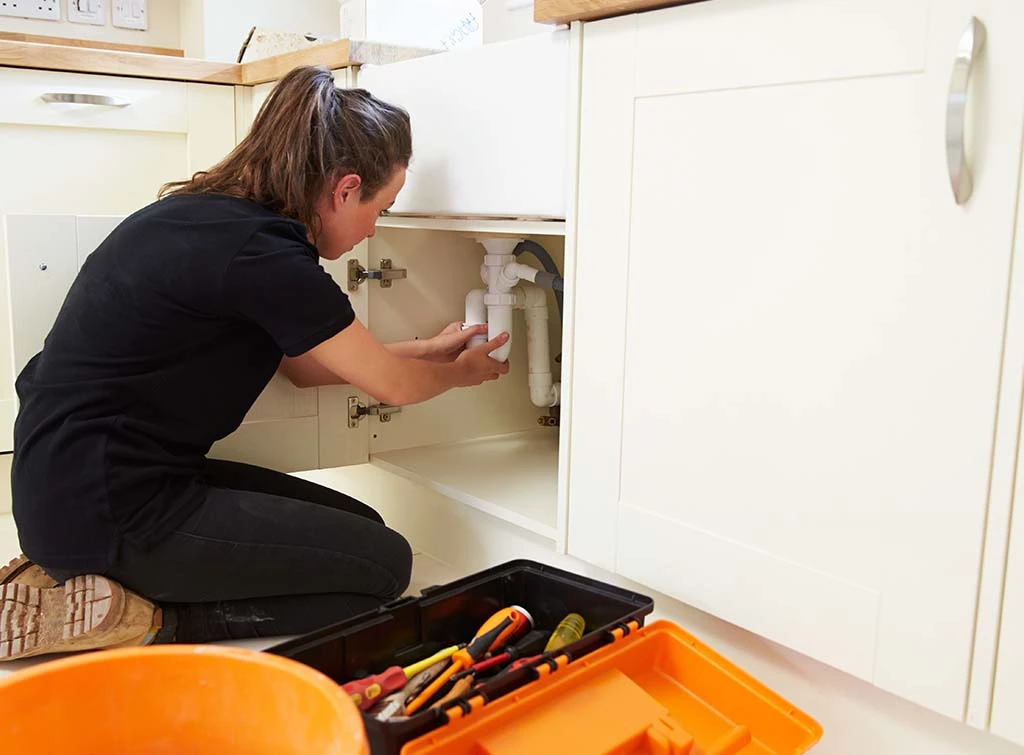
Plumbing, often regarded as an invisible service, is the backbone of modern living. Behind every faucet, every showerhead, and every water source, there exists a complex and intricate network of pipes, valves, and fixtures that brings water into our homes and ensures its safe disposal. While it may not always garner the attention it deserves, plumbing is a fundamental aspect of daily life, ensuring that we have clean water when we need it and a way to dispose of waste efficiently. From ancient civilizations to the high-tech, smart homes of today, plumbing has evolved to become an indispensable part of our infrastructure. In this article, we’ll explore the history, functionality, and importance of plumbing, as well as some of the challenges and innovations that shape the field today.
The Evolution of Plumbing: From Ancient Times to Modern Mastery
The origins of plumbing date back thousands of years to ancient civilizations. The ancient Egyptians, Greeks, and Romans were among the first to recognize the importance of water systems, creating rudimentary pipes made from clay, bamboo, and copper to bring water into their homes and remove waste. The Romans, in particular, were pioneers in plumbing, constructing elaborate aqueducts and public baths that not only provided water for everyday use but also helped prevent the spread of disease by offering sanitary solutions.
By the Middle Ages, plumbing had stagnated somewhat in Europe, with many of the advances made by the Romans lost during the fall of the Empire. However, by the 16th century, the advent of indoor plumbing began to resurface. In 1596, Sir John Harington, an English inventor, created the first flushable toilet, an invention that would shape plumbing in the centuries to come.
It wasn’t until the 19th century, however, that plumbing as we know it today began to take shape. With the rise of industrialization, cities began to grow at unprecedented rates, necessitating advanced plumbing systems to accommodate the increasing population. In the United States, major cities like New York and Chicago developed large-scale water distribution and sewage systems, which laid the groundwork for modern plumbing infrastructure. By the 20th century, the widespread installation of indoor plumbing became a standard feature in homes, dramatically improving sanitation, public health, and quality of life.
The Mechanics of Plumbing: How It All Works
At its core, plumbing is a system designed to bring water into the home and remove waste. This dual function involves several key components: pipes, fixtures, valves, and appliances. Each part plays a crucial role in ensuring the system operates efficiently and reliably.
Water supply systems are generally pressurized, meaning that water is forced through pipes by a combination of municipal water systems and internal pressure. Pipes are typically made of materials like copper, PVC, or PEX, which are resistant to corrosion and designed to withstand the pressure of the water being delivered. Water enters the home through a main supply line, often buried underground, and is distributed through a network of pipes that feed individual faucets, showers, and appliances.
On the other end of the equation is the drainage and waste disposal system. Wastewater from sinks, toilets, and showers flows out of the home through a separate network of pipes known as the drain-waste-vent (DWV) system. Gravity plays a significant role in this process, as the pipes are generally sloped to allow wastewater to flow naturally from the home to the municipal sewage system or a septic tank. Vents are incorporated into the system to ensure that air pressure remains balanced, allowing waste to move smoothly through the pipes.
Fixtures, such as faucets, toilets, and showerheads, serve as the points of access for water in the home. These fixtures are equipped with valves that control the flow of water. When a faucet is turned on, the valve opens, allowing water to flow through the pipe and out of the fixture. Similarly, toilets use a valve to control the flushing mechanism, sending waste into the drain system.
The modern home plumbing system is often designed to be both efficient and environmentally conscious. Water-saving fixtures, such as low-flow toilets, showerheads, and faucets, are now common features that help conserve water without sacrificing performance. Additionally, many homes are equipped with water filtration systems that improve water quality by removing impurities and contaminants.
Plumbing Challenges: Maintenance, Repairs, and Common Issues
While plumbing systems are designed to last for decades, they are not impervious to wear and tear. Over time, pipes can corrode, valves can malfunction, and fixtures can break down. Routine maintenance is essential to ensure the continued functionality of the system and to prevent costly repairs. Regular inspections by a licensed plumber can help detect issues early, such as leaks, clogs, or faulty water heaters, before they escalate into major problems.
One of the most common plumbing issues is clogged drains. Kitchen sinks, bathroom drains, and shower drains are frequently subjected to debris, grease, soap scum, and hair, all of which can accumulate over time and cause blockages. While some minor clogs can be cleared using a plunger or drain cleaner, more stubborn blockages may require the expertise of a professional plumber who can use specialized tools like a drain snake or hydro-jetting to clear the pipes.
Another frequent issue is pipe leaks, which can occur for a variety of reasons, including corrosion, freezing temperatures, and physical damage. A leaky pipe not only wastes water but can also cause extensive water damage to the surrounding area. Early detection and repair are crucial to prevent long-term damage to walls, floors, and foundations.
In colder climates, freezing pipes present a significant challenge during winter months. When water freezes inside a pipe, it can cause the pipe to burst, leading to costly repairs and potential flooding. Proper insulation of pipes, as well as precautions like letting faucets drip during extreme cold, can help prevent freezing.
Innovations in Plumbing: The Future of Water Systems
As with many other fields, plumbing is experiencing its own technological advancements. Smart plumbing systems are becoming increasingly popular in homes, allowing homeowners to monitor and control their water systems remotely. Smart faucets, for example, can track water usage, while smart toilets can adjust water flow for efficiency and comfort. Leak detection systems, which can alert homeowners to water leaks before they become major problems, are another example of how technology is enhancing the plumbing experience.
The rise of sustainable plumbing practices is also gaining momentum. In an era of heightened environmental awareness, water conservation is a priority for both homeowners and municipalities. Innovations in water-efficient fixtures and systems are helping to reduce water usage while maintaining high levels of performance. Greywater recycling systems, which capture and treat wastewater from baths, sinks, and washing machines for reuse in irrigation or toilet flushing, are becoming more common, helping conserve fresh water.
Moreover, the push for eco-friendly materials in plumbing is gaining traction. Traditional piping materials, such as copper and PVC, are being supplemented by alternatives like cross-linked polyethylene (PEX) piping, which is more durable, flexible, and environmentally friendly. The adoption of these materials reflects a broader trend toward sustainability in construction and home maintenance.
Conclusion: Plumbing as the Heart of Modern Living
Plumbing is one of the most essential and yet often overlooked components of modern life. It provides us with clean water, ensures safe waste disposal, and protects our homes from water damage. The evolution of plumbing, from its ancient roots to its current innovations, reflects the ongoing quest for efficiency, sustainability, and convenience. As we continue to face the challenges of urbanization, environmental concerns, and technological advancements, the plumbing industry remains integral to shaping the homes and cities of tomorrow. Whether it’s ensuring a steady water supply or preventing a disastrous leak, plumbing is a crucial part of everyday life that deserves recognition and care. In a world increasingly focused on comfort and convenience, the craft of plumbing will continue to be the unsung hero, ensuring that the most basic human needs are met with reliability and precision.