

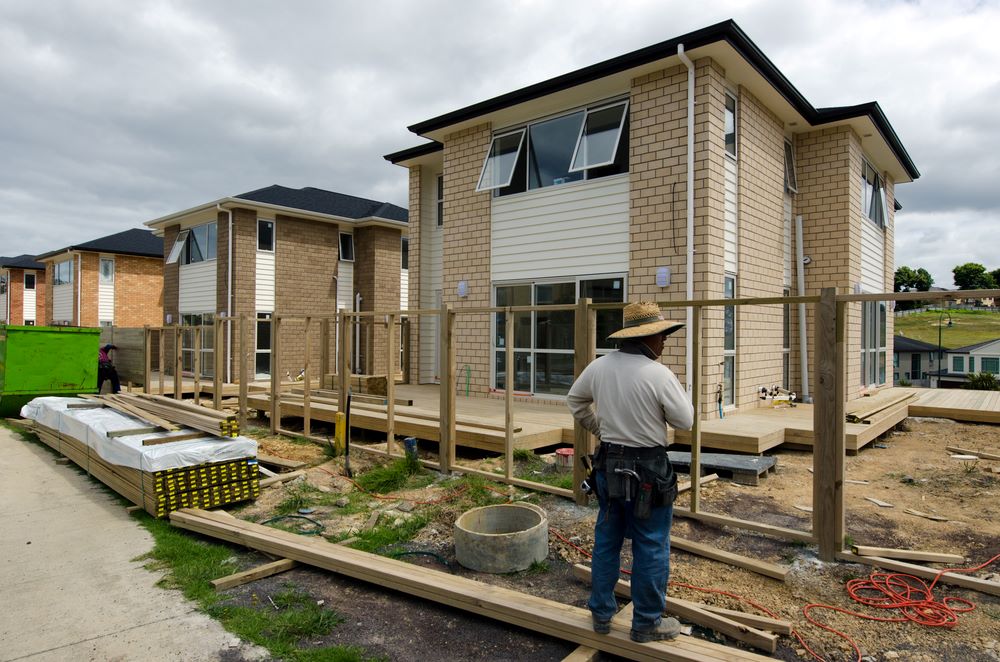
Proper drainage is an essential aspect of home construction that often goes overlooked during the planning stages. It plays a crucial role in protecting the integrity of your home, preventing water damage, and ensuring long-term stability. Without effective drainage systems in place, a home becomes vulnerable to a wide range of issues, including foundation problems, mold growth, and even pest infestations. Understanding the importance of proper drainage and how it functions can help homeowners make informed decisions to safeguard their investment and enhance the comfort and durability of their living spaces.
1. Preventing Water Damage
One of the primary functions of a drainage system is to channel water away from the home. When rainwater or snowmelt accumulates around a house without proper drainage, it can seep into the foundation, leading to significant water damage. Over time, this can cause the foundation to weaken, crack, or even shift, resulting in costly repairs. In addition, standing water near the foundation can contribute to the growth of mold and mildew, which can deteriorate building materials and create unhealthy living conditions. Proper drainage ensures that water is directed away from vulnerable areas like the foundation, basement, and crawl spaces, preventing these costly and potentially hazardous issues.
2. Protecting the Foundation
The foundation of a house is its most critical structural element, and ensuring its stability is paramount. Without a well-designed drainage system, excess water can pool around the foundation, exerting pressure on the walls and causing cracks or even erosion. These cracks can lead to water infiltration, further compromising the integrity of the foundation. Installing gutters, downspouts, and French drains can help direct water away from the home and prevent the foundation from becoming overwhelmed by excess moisture. In areas with heavy rainfall or high water tables, a well-planned drainage system can be the difference between a secure home and one that faces constant structural challenges.
3. Preventing Soil Erosion
Soil erosion is another consequence of poor drainage that can undermine the stability of your home. When water is not properly channeled away from the property, it can cause the soil surrounding the house to erode, leading to uneven ground and compromised landscaping. This not only affects the aesthetic appeal of your property but also poses a threat to your home’s foundation. Proper drainage solutions, such as grading the land away from the house and french drains installed with the help of experienced yard drainage companies can prevent water from collecting in areas where it may wash away the soil. By maintaining stable soil around your home, you help preserve the structural integrity of the property and protect your landscaping investment.
4. Reducing Basement Flooding
Basement flooding is a common problem in homes that lack a proper drainage system. Water that collects around the foundation can seep into the basement, leading to significant damage to walls, floors, and personal belongings. If left unchecked, basement flooding can also cause issues like mold growth, which can pose serious health risks. Proper drainage systems, such as sump pumps and exterior waterproofing, are essential in keeping basements dry and safe. These systems prevent water from entering the basement, ensuring that the lower levels of the home remain free from moisture-related damage.
5. Enhancing Property Value
A home with a properly functioning drainage system is more likely to retain its value over time. Issues like water damage, foundation problems, and mold growth can significantly reduce a property’s value, making it more difficult to sell in the future. By investing in proper drainage during the construction process, homeowners can protect their property’s value and avoid the cost of repairing water-related damage down the line. A well-maintained drainage system is an attractive feature for potential buyers, as it offers peace of mind knowing that the home is protected from moisture-related problems.
6. Reducing the Risk of Pest Infestations
Excess moisture around a home creates the perfect breeding ground for pests like termites, rodents, and insects. Standing water near the foundation provides an ideal environment for these pests to thrive, potentially leading to infestations that can damage the structure of the home and pose health risks. Proper drainage helps keep water away from the home, making it less inviting to pests. For example, French drains and surface drains can be installed to direct water away from the home’s perimeter, reducing the likelihood of attracting unwanted guests.
7. Improving Landscape Health
In addition to protecting the home itself, proper drainage also benefits the landscape surrounding the property. Without an effective drainage system, water can pool in flower beds, lawns, and other areas, leading to waterlogged soil that can harm plants and grass. Excess moisture can drown plant roots, promote fungal growth, and create an environment conducive to pests. By ensuring that water flows away from these areas, proper drainage helps maintain a healthy and thriving landscape. This contributes to the overall aesthetic appeal of your property and preserves the longevity of your outdoor spaces.
8. Mitigating Flood Risks
In regions prone to heavy rainfall or flooding, having a reliable drainage system becomes even more critical. Floodwaters can cause significant damage to homes, especially those located in flood zones or areas with poor drainage infrastructure. Installing features like stormwater drains, sump pumps, and flood barriers can help mitigate the risks associated with heavy rains. These systems ensure that water is diverted away from the home, reducing the potential for flood damage and safeguarding both the home and its occupants.
9. Cost-Effective Prevention
While it may seem like an additional expense during the construction process, investing in proper drainage can save homeowners a substantial amount of money in the long run. Repairing water damage, foundation issues, and mold growth can be incredibly costly, not to mention the potential loss of property value. By addressing drainage needs upfront, homeowners can avoid these expensive problems and ensure the longevity of their property. Effective drainage systems are a proactive measure that prevents costly repairs and preserves the home’s structural integrity.
10. Meeting Local Building Codes
In many areas, building codes require specific drainage systems to be installed during home construction to prevent water damage and flooding. These codes are designed to protect the community and environment from the harmful effects of poor drainage practices. By ensuring that your drainage system meets or exceeds these local regulations, you help ensure that your home is compliant with building standards and avoid any legal or financial repercussions that could arise from improper drainage.
Proper drainage is a fundamental component of home construction that protects the structure of the home, the surrounding landscape, and the overall health and safety of the occupants. By prioritizing drainage solutions such as gutters, French drains, and sump pumps, homeowners can prevent water damage, soil erosion, pest infestations, and other potential hazards. Investing in a comprehensive drainage system is not only a wise financial decision but also an essential step in ensuring the long-term durability and value of your home.