

Understanding the Contenders: Material Composition
To accurately compare these two popular flooring options, you must first understand exactly what they are made of and how they are constructed.
Hardwood Flooring
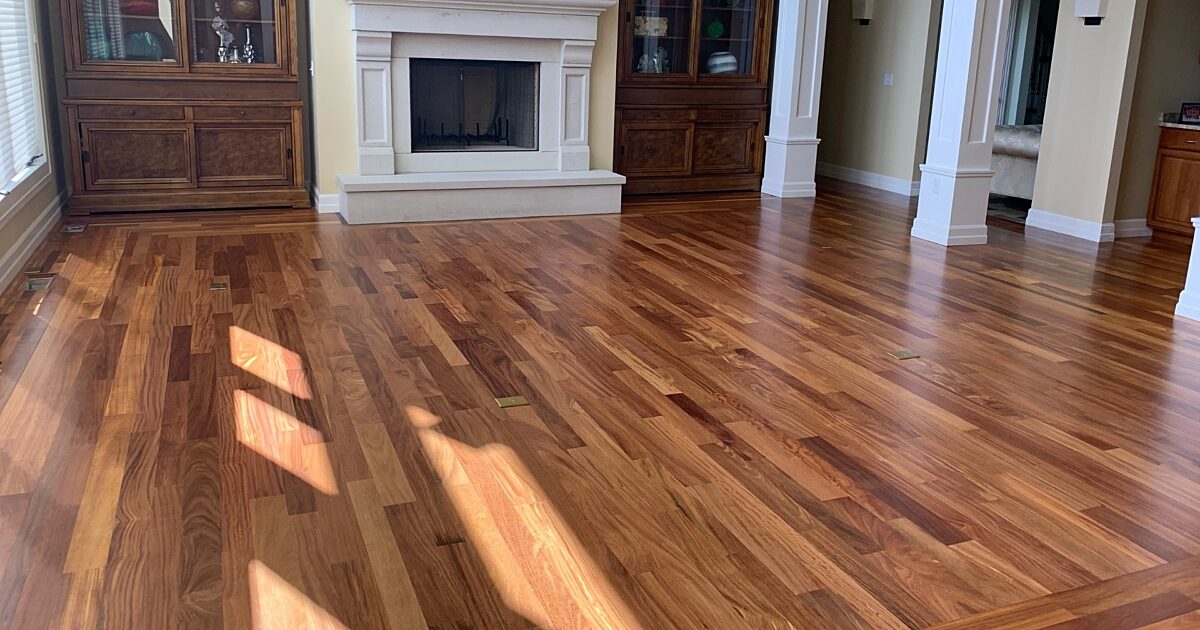
Natural wood flooring comes in two primary forms: solid and engineered. Solid hardwood is milled from a single, continuous piece of timber, typically measuring three-quarters of an inch thick. Engineered hardwood features a real wood veneer top layer bonded over multiple cross-grained layers of high-density fiberboard or plywood. Both types rely entirely on natural forest resources, such as oak, maple, hickory, or walnut, to deliver their signature organic warmth and unique grain patterns.
Luxury Vinyl Plank (LVP)
LVP is a synthetic, multi-layered flooring material designed to mimic the exact appearance of natural wood planks. It typically consists of four distinct layers:
-
The Backing Layer: A foundational base made of rigid PVC or flexible vinyl, providing structural integrity and moisture resistance. Many premium lines include an integrated underlayment for sound dampening.
-
The Core Layer: The backbone of the plank, usually composed of Stone Plastic Composite (SPC) or Wood Plastic Composite (WPC) to ensure dimensional stability and dent resistance.
-
The Print Layer: A high-definition photographic image that replicates the grain patterns, knots, colors, and textures of real wood varieties.
-
The Wear Layer: A clear, protective top coating treated with urethane or aluminum oxide to safeguard the print layer against scratches, stains, and UV fading.
Durability and Lifestyle Performance
How your floors handle the daily chaos of foot traffic, dropped kitchen utensils, and tracking in dirt plays a major role in your overall satisfaction with the product over time.
Scratch and Dent Resistance
LVP is engineered explicitly to withstand heavy abuse. Its hard wear layer provides superior protection against the scraping action of moving furniture, dragging toys, and high-heeled shoes. Stone-core vinyl variants are exceptionally dense, making them highly resistant to deep dents from dropped heavy objects.
Hardwood is significantly softer and more susceptible to surface damage. Large dogs with unclipped nails can easily scratch the finish of a natural wood floor, and dropping a heavy cast-iron skillet can leave permanent indentations. However, engineered hardwoods with high Janka hardness ratings, such as hickory or Brazilian cherry, offer much better structural resilience than softer wood species like pine or birch.
Water and Moisture Management
Moisture performance is the single largest dividing factor between these two materials.
LVP is entirely waterproof. Because it is constructed from synthetic polymers and stone composites, standing water will not cause the planks to swell, buckle, warp, or rot. This absolute water resistance makes LVP the ideal choice for high-moisture environments like full bathrooms, kitchens, mudrooms, and below-grade basements.
Hardwood is inherently hygroscopic, meaning it continuously absorbs and releases moisture from the surrounding environment. When exposed to standing water, plumbing leaks, or high relative humidity, natural wood will swell and cup. Conversely, dry winter air causes the wood to shrink, creating visible gaps between the planks. For this reason, hardwood is generally banned from bathrooms and must be carefully monitored in basements.
Lifespan, Maintenance, and Long-Term Value
Flooring represents a substantial capital expenditure. Understanding the lifecycle cost and maintenance requirements helps prevent unexpected financial burdens later on.
Longevity and Refinishing Potential
This is where hardwood outshines almost every synthetic alternative on the market. Solid hardwood can last for well over a century if properly maintained. When the surface becomes scuffed, faded, or deeply scratched, you can sand down the wood to a raw state, apply a fresh stain color, and reseal it with a protective topcoat. A solid wood floor can withstand four to seven full sandings over its lifespan, allowing you to completely change your home’s aesthetic without replacing the floor.
LVP has a fixed lifespan that typically ranges from fifteen to thirty years, depending on the thickness of its wear layer and the volume of foot traffic. Once the clear wear layer degrades or the printed image gets damaged, the floor cannot be repaired, sanded, or refinished. The compromised planks must be removed and entirely replaced.
Maintenance and Cleaning Routines
LVP requires very little maintenance to keep its clean look. It can be regularly swept, vacuumed without a beater bar, and wet-mopped with standard residential floor cleaners without any fear of moisture damage.
Hardwood requires a much more delicate touch. It must be cleaned using specialized wood cleaners that preserve the protective polyurethane finish. Excess water must be avoided, meaning wet-mopping or using steam cleaners can cause catastrophic structural failure over time. Furthermore, hardwood floors require periodic recoating with fresh polyurethane every few years to keep the protective barrier intact.
Visual Appeal and Real Estate ROI
The sensory experience of a floor impacts how your home feels and how potential buyers will value your property during a future resale.
Authentic Texture vs. Photographic Replication
Nothing truly matches the prestige, natural texture, and variable grain depth of authentic hardwood. Every plank is unique, creating an organic visual flow across a room that synthetic materials struggle to perfectly clone. Hardwood also offers a solid, quiet sound underfoot and holds room warmth naturally.
High-end LVP features registered-and-embossed textures, meaning the physical surface texture perfectly matches the lines of the photographic grain underneath. This technique makes LVP look incredibly realistic from a standing position. However, it can still occasionally feel repeated or sound hollow and clicky when walked on if it lacks a high-quality acoustical underlayment.
Return on Investment (ROI)
Hardwood flooring is a premier architectural feature that adds measurable value to a home appraisal. Real estate buyers are consistently willing to pay a premium for authentic wood floors, making it an excellent investment if you plan to maximize your home equity for a future sale.
LVP is widely accepted and appreciated by buyers for its practicality, but it does not add the same equity premium to a property appraisal as natural timber. It is viewed as an upgrade over standard laminate or sheet vinyl, but it remains a synthetic alternative in the eyes of high-end home buyers.
Visualizing the Flooring Transition
Choosing the right material often comes down to finding a balance between the organic aesthetics of wood and the undeniable resilience of modern composites.
Installation Dynamics and Budget Allocations
The final cost of your new floor depends heavily on material pricing and the labor complexity required to install it safely.
-
Material Expenses: Basic LVP lines can be purchased for a fraction of the cost of natural wood. Premium, thick-wear-layer stone polymer composite planks approach the price point of entry-level engineered hardwood, but genuine solid hardwood remains the costliest up-front material option.
-
Labor Intensity: LVP features a click-lock design that creates a floating floor over your existing subfloor. It cuts easily with a utility knife and requires no heavy fasteners or industrial adhesives, making it a very popular weekend DIY project. Hardwood installation is highly technical, requiring professional pneumatic flooring nailers, subfloor leveling, precise layout calculations, and complex transition trim work.
Ultimately, if you prioritize maximum longevity, prestige, and high resale value for low-moisture living spaces, hardwood is the superior investment. If your primary goals are complete waterproof protection, pet-friendly scratch resistance, budget efficiency, and DIY installation ease, luxury vinyl plank stands out as the ideal modern solution.
Frequently Asked Questions
Can luxury vinyl plank flooring be installed directly over existing ceramic tile?
Yes, LVP can often be installed directly over ceramic tile, provided the existing floor is structurally sound, level, and firmly bonded to the subfloor. However, you must address the grout lines first. If the grout lines are deep or wide, they can cause a telegraphing effect over time, where the vinyl planks conform to the depressions and show outline marks on the surface. To prevent this, apply a self-leveling priming compound over the tile to create a perfectly smooth subfloor canvas.
What does the Mil thickness rating mean when shopping for LVP flooring?
The Mil rating refers exclusively to the thickness of the clear protective wear layer on top of the plank, not the total thickness of the entire plank itself. One Mil is equal to one-thousandth of an inch. For residential homes with light use, a 12-Mil wear layer is sufficient. For active households with children, large pets, or high-traffic areas, look for a minimum of a 20-Mil wear layer to ensure maximum resistance to scratching and surface degradation.
Is engineered hardwood real wood, and can it be refinished like solid hardwood?
Yes, engineered hardwood is constructed using authentic wood. The top layer consists of a genuine hardwood veneer, giving it the exact appearance, texture, and smell of solid wood. Its ability to be refinished depends entirely on the thickness of that real wood veneer layer. Premium engineered planks with a thick wear layer of 4 millimeters or more can be safely sanded and refinished two to three times, while cheap variants with thin veneers under 2 millimeters cannot be safely sanded without ruining the plank.
How does sunlight and UV exposure affect hardwood versus luxury vinyl plank?
Both materials can change color when exposed to direct, prolonged sunlight, but they react differently. Hardwood contains natural photo-sensitive compounds that cause it to darken, lighten, or yellow over time when exposed to UV rays, depending on the wood species. LVP reacts to intense, direct solar heat and UV rays by fading its print layer or, in extreme cases, expanding and warping if the material gets too hot. Utilizing UV-blocking window treatments helps protect both flooring types from sun damage.
Which flooring material is better for reducing noise transmission between floors?
LVP generally offers better built-in acoustics than hardwood, particularly when you select planks that feature an integrated cork or foam underlayment backing. This flexible backing absorbs footfall impact and reduces the click-clack sound of footsteps. Hardwood is a rigid material nailed directly to a wooden subfloor, which can amplify hollow echoing sounds and transmit vibrations down to the room below unless a thick, specialized acoustic underlayment pad is installed underneath.
Are hardwood and LVP floors safe regarding chemical off-gassing and indoor air quality?
Modern variations of both flooring types can be exceptionally safe, but you must look for specific third-party health certifications. For LVP and engineered hardwood, look for products stamped with FloorScore or Greenguard Gold certifications. These labels guarantee that the manufacturing adhesives and synthetic vinyl compounds meet strict emission standards for volatile organic compounds, ensuring your indoor air quality remains safe and healthy.