

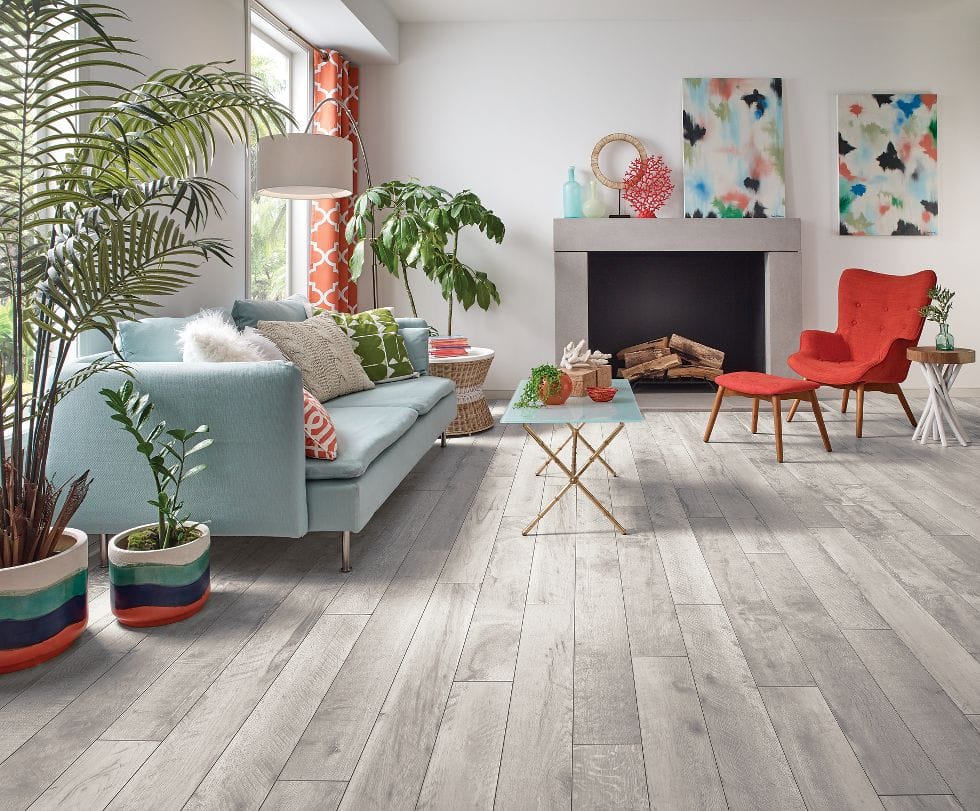
A home filled with children and pets is a place of joy, energy, and constant movement. However, it is also an environment that tests the absolute limits of your home building materials. Between running dogs, dropped juice boxes, muddy paws, toy trucks scraping across the room, and the occasional potty-training accident, your floors endure a relentless daily assault.
Choosing the wrong flooring can lead to a home that looks prematurely worn, requires exhausting maintenance, or harbors deep-seated odors and allergens. Conversely, selecting a surface engineered for heavy abuse allows your household to live freely without constant anxiety over scuffs and spills. The ideal family-friendly flooring must strike a precise balance between structural durability, water resistance, ease of cleaning, safety, and visual appeal.
Key Factors to Consider for Busy Households
Before reviewing specific material options, it is helpful to establish the key criteria that determine whether a floor can truly withstand the combined impact of kids and animals.
-
Scratch Resistance: Large dogs exert substantial pressure through their claws when running or jumping. The surface must resist deep gouges and fine surface scratches.
-
Moisture Protection: Spilled drinks, bathwater splashes, and pet accidents happen routinely. The flooring must prevent liquids from penetrating deep into the core, which causes swelling, warping, and mold growth.
-
Traction and Slip Resistance: Smooth, high-gloss surfaces turn into dangerous slip-and-slide zones for toddlers learning to walk and older pets with joint issues. A textured finish provides essential grip.
-
Stain and Odor Prevention: Porous materials absorb liquids quickly, locking in bad smells and permanent pigment stains that ruin the look and freshness of a room.
-
Comfort and Sound Dampening: Active play generates a lot of noise. A good floor should absorb impact sounds rather than echoing them through the entire house, while still providing a relatively soft surface for falls.
Luxury Vinyl Plank and Tile: The Ultimate All-Rounder
Luxury Vinyl Plank (LVP) and Luxury Vinyl Tile (LVT) have rapidly become the industry standard for households prioritizing maximum utility without sacrificing design aesthetics.
Absolute Waterproof Protection
Unlike natural wood or laminate, premium luxury vinyl is entirely synthetic. This means it is completely waterproof from the top wear layer down through the core. If a water bowl spills or a child leaves a wet towel on the floor, the material will not swell, buckle, or separate. This allows you to run the same cohesive flooring seamlessly from your living room straight into high-moisture zones like kitchens, mudrooms, and bathrooms.
Industrial-Strength Durability
LVP features a clear, rugged urethane or aluminum oxide top wear layer. For homes with large pets and busy kids, opting for a commercial-grade wear layer of 20 Mils or higher ensures excellent defense against deep claw scratches and heavy toy impacts. Furthermore, many vinyl options feature textured wood-grain embossing, which actively hides small imperfections while providing excellent slip resistance for paws and little feet.
Sound Absorption
Many high-end vinyl planks come pre-equipped with an attached cork or acoustic foam underlayment. This built-in padding absorbs the impact noise of running feet, dropped toys, and clicking dog nails, keeping your home environment much quieter.
Porcelain and Ceramic Tile: The Indestructible Choice
If your main priority is finding a floor that is structurally impossible for a dog to scratch or a spilled drink to stain, natural clay-based tile stands as the definitive champion.
-
Impervious to Surface Scratches: Porcelain tile is fired at exceptionally high temperatures, making it incredibly dense and hard. Even the largest dog breeds cannot scratch, gouge, or dent a glazed porcelain surface.
-
Complete Stain Resistance: Glazed tiles are non-porous, meaning pigments, oils, and pet messes sit entirely on top of the surface until wiped away. It can be cleaned with heavy-duty sanitizers and steam mops without any risk of structural damage.
-
Design Versatility: Modern printing techniques allow porcelain tile to replicate the exact look of natural hardwood planks, marble, or industrial concrete, allowing you to secure maximum durability while maintaining a warm aesthetic.
Important Drawbacks to Consider
While tile is practically indestructible, it is completely unyielding. It provides a hard landing surface for falling toddlers and can be fatiguing for older pets to stand on for long periods. Additionally, standard tile feels naturally cold underfoot unless paired with an integrated radiant subfloor heating system. Grout lines also require regular sealing to prevent dirt and liquids from staining the joints over time.
Modern Waterproof Laminate: A High-Performance Alternative
Traditional laminate flooring was notorious for swelling at the seams when exposed to moisture. However, next-generation waterproof laminate has completely re-engineered this category into a viable contender for busy families.
Modern premium laminates utilize high-density fiberboard cores treated with hydrophobic sealants, paired with advanced tight-locking click joints that prevent water from seeping between the planks for up to 24 to 72 hours. Laminate typically features a highly rigid top layer made of melamine resin and aluminum oxide, which often scores higher on scratch-resistance testing than vinyl, making it exceptionally resilient against sliding toys and active pets.
Creating a Safe and Durable Play Environment
Selecting the right foundation ensures that your living space can adapt to playtime activities while remaining effortless to clean and preserve over the long term.
Engineered Hardwood: The Option for Real Wood Lovers
Solid hardwood is generally discouraged for homes with large pets and young children because it is highly susceptible to deep scratches, water cupping, and urine staining. However, if your home design requires authentic wood, engineered hardwood offers a much safer compromise.
Engineered hardwood features a real wood veneer top layer backed by multiple cross-ply layers of plywood or high-density fiberboard. This structural composition makes it far more dimensionally stable than solid wood, meaning it expands and contracts significantly less when exposed to humidity shifts or temporary spills.
To maximize pet success with engineered wood, select a species with a high Janka hardness rating, such as hickory, white oak, or hard maple. Avoid smooth, high-gloss finishes which highlight every single scratch; instead, choose wire-brushed or hand-scraped textures paired with a matte oil or polyurethane finish, which easily conceals everyday wear and tear.
Materials to Avoid in Active Households
While certain materials excel in family environments, others create perpetual maintenance challenges and financial frustration.
Standard Wall-to-Wall Carpeting
Plush carpeting acts like a massive sponge for household messes. It traps pet hair, dander, tracked-in mud, and dust mites deep within its fibers, making it a nightmare for children suffering from environmental allergies. Furthermore, liquid spills and pet accidents soak straight through to the underlying carpet pad, where odors become permanently locked and bacteria can thrive out of reach of standard vacuums.
Natural Stone and Soft Woods
Unsealed natural stones like marble, limestone, and travertine are highly porous and prone to etching from acidic spills or harsh cleaning chemicals. Similarly, softwoods like pine, fir, and traditional cedar will show deep indentations from dropped items and pet claws almost immediately after installation.
Investing in a high-durability floor like luxury vinyl, porcelain tile, or waterproof laminate removes the stress of managing a busy household. By picking a surface that handles messes effortlessly, you protect your real estate equity while creating a comfortable, clean sanctuary for your entire family.
Frequently Asked Questions
What does the AC rating mean when shopping for family-friendly laminate flooring?
The AC (Abrasion Criteria) rating is an independent global standard that measures a laminate floor’s overall resistance to wear, scratching, and impact. The scale runs from AC1 to AC5. For homes with kids and pets, you should strictly look for a minimum rating of AC3 for residential spaces with heavy traffic, or AC4, which is rated for light commercial use. Avoid AC1 and AC2 options, as they are designed only for low-traffic bedrooms and will wear out quickly under busy household conditions.
How can I protect my floors if I choose a material that is not entirely scratch-resistant?
You can implement strategic protection layers without replacing your entire floor. Place high-quality, washable area rugs or low-pile runners in your home’s primary traffic corridors, such as entryways, hallways, and main play zones. Put heavy-duty felt protector pads underneath all furniture legs to prevent scratching when chairs slide around. Additionally, keeping your pet’s nails trimmed and filed regularly drastically reduces their ability to damage your floors.
Are there specific types of area rugs that work best for homes with pets and allergy-prone kids?
Yes, look for rugs made from synthetic fibers like polypropylene, polyester, or nylon, as well as natural low-pile options like flat-weave cotton. Synthetic rugs are non-porous, meaning they resist staining, dry quickly, and can often be scrubbed with mild detergents or hosed down outside. Avoid deep shag, jute, or sisal rugs; shag rugs trap immense amounts of hair and dander, while natural plant fibers absorb moisture instantly and can rot or unravel when clawed by cats and dogs.
How do I properly sanitize a floor after a pet accident without ruining the protective wear layer?
Avoid harsh chemical agents like pure bleach, ammonia-based cleaners, or highly acidic vinegar solutions, which can strip away the protective clear coat finish on vinyl, laminate, and hardwood. Instead, use an enzymatic cleaner specifically formulated for residential flooring. Enzymatic cleaners break down the organic proteins in pet waste on a molecular level, completely eliminating the trace odors that draw pets back to the same spot, all while preserving the integrity of the floor’s top coat.
Is bamboo flooring a good option for households with dogs and children?
Yes, but you must choose the right type. Standard horizontal or vertical bamboo flooring is relatively soft and scratches easily. However, strand-woven bamboo is an exceptional option for busy families. It is manufactured by shredding bamboo fibers and compressing them with ultra-durable resins under immense pressure. This makes strand-woven bamboo twice as hard as traditional oak wood, offering superb scratch resistance alongside a highly sustainable, natural look.
How does the thickness of a luxury vinyl plank impact its performance in a busy home?
The overall thickness of an LVP, which typically ranges from 2 millimeters to 8 millimeters or more, dictates its stability and comfort underfoot. Thicker planks are more forgiving over slightly uneven subfloors, feel warmer, and provide better sound insulation. However, always remember that overall thickness does not control scratch resistance; scratch resistance is determined solely by the independent clear wear layer on top of the plank, which should be 20 Mils or thicker for optimal family durability.