

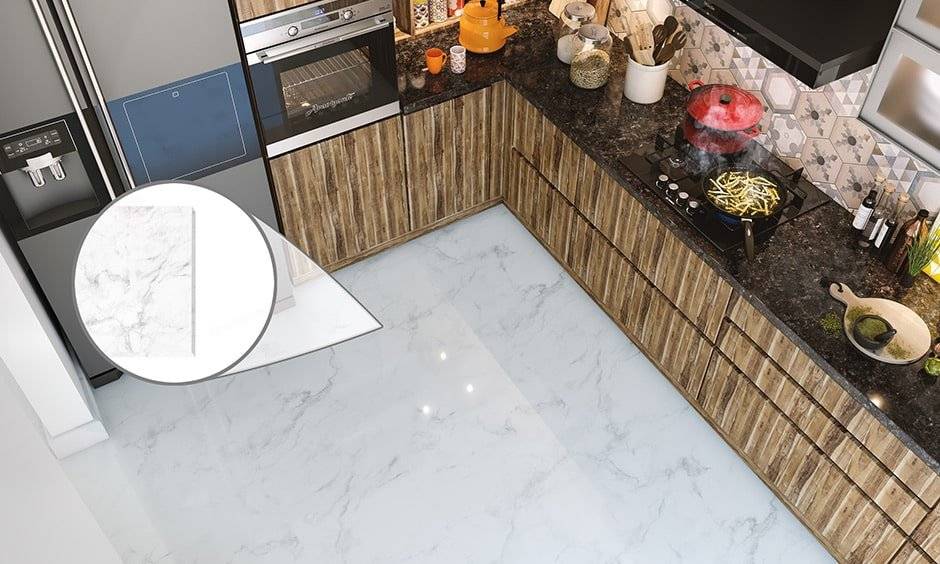
Flooring plays a foundational role in a home’s design. Beyond its functional purpose of providing a surface to walk on, flooring has the power to set the tone of a room, influence the overall aesthetic, and even impact a space’s ambiance. Whether you’re embarking on a new build, a remodel, or simply updating the look of a room, the choice of flooring can make or break the atmosphere. From the warmth of wood to the sleekness of stone, flooring choices are as diverse as they are important.
Looking for long-lasting, attractive floors? A trusted Epoxy Flooring Company Ohio offers durable finishes for homes and businesses. These floors are ideal for high-traffic areas, providing resistance to chemicals, moisture, and wear. With experienced installers, you can expect flawless application and a polished final look.
The Aesthetic Power of Flooring
When it comes to home decor, few elements are as omnipresent as the floor. The right flooring can elevate the design of a room, creating a sense of cohesiveness or contrasting beautifully with other elements. For instance, polished hardwood floors exude warmth and sophistication, complementing both contemporary and traditional interiors. On the other hand, sleek, modern tiles can bring a minimalist edge to a space, contributing a cool, clean feel that works particularly well in kitchens and bathrooms.
The choice of flooring material is a direct reflection of the style you wish to convey. Natural stone, such as marble, granite, or travertine, is a symbol of luxury, often seen in high-end homes or as a statement piece in entryways and living rooms. Meanwhile, tiles with intricate patterns or mosaics can bring an artistic flair to spaces like foyers or kitchens. The variety in texture, color, and finish allows for a great deal of creative freedom, ensuring that there’s a flooring option for every personality and preference.
Functionality and Durability: A Matter of Practicality
Beyond its aesthetic appeal, flooring must also serve its practical purpose. Different materials excel in different environments, and understanding the demands of each room will guide your decision. Durability is a key factor to consider. In high-traffic areas such as hallways and living rooms, flooring needs to withstand constant use without showing signs of wear and tear. Hardwood floors, known for their resilience, can last decades if properly maintained, and their timeless appeal only grows with age.
For rooms prone to moisture, such as bathrooms, kitchens, and basements, moisture-resistant options are crucial. Ceramic and porcelain tiles, which are impervious to water, are ideal choices. In addition, these materials are easy to clean and maintain, making them highly practical for spaces where spills and stains are more common.
In family homes or households with pets, the flooring material should also be chosen with comfort and safety in mind. Soft options like carpet provide a cushioned surface, offering comfort for both feet and knees, while also reducing noise levels—a significant benefit in multi-story homes. However, carpets can be difficult to maintain and are more prone to staining than harder surfaces like wood or tile. In these cases, vinyl or laminate floors can serve as excellent alternatives, offering a balance between durability, ease of maintenance, and comfort.
Environmental Impact and Sustainability
As concerns about climate change and sustainability grow, more homeowners are becoming conscious of the environmental impact of their purchasing decisions. Fortunately, many flooring manufacturers are now offering eco-friendly options that do not compromise on style or quality.
Wood flooring, for example, is naturally renewable, especially when sourced from sustainably managed forests. Bamboo, a fast-growing grass, has also become a popular option for environmentally-conscious consumers due to its rapid regrowth cycle and strength, making it an excellent alternative to traditional hardwood.
Similarly, cork flooring, which is made from the bark of cork oak trees, is another eco-friendly choice. Cork is not only a renewable resource but also provides natural insulation and soundproofing, making it a great option for reducing energy consumption and noise. Recycled materials are also making their way into the flooring market. Recycled wood, rubber, and even glass are being used to create sustainable flooring solutions that are both beautiful and planet-friendly.
For those with an eye on sustainability, it’s important to consider the life cycle of the flooring material. How long will it last? Is it easy to repair or recycle at the end of its life? With the increasing availability of sustainable options, homeowners now have the ability to make choices that are as kind to the environment as they are to the aesthetic of their homes.
The Cost Factor: Finding a Balance Between Budget and Quality
While the aesthetic and functional qualities of flooring are important, the cost will inevitably play a role in the decision-making process. Flooring materials vary significantly in price, with premium options like marble or hardwood costing considerably more than vinyl or carpet.
Hardwood floors, while a classic choice, come with a hefty price tag, particularly for higher-end species such as oak, walnut, or cherry. Additionally, the installation costs for hardwood can add up, especially if professional assistance is required. Laminate and vinyl, on the other hand, offer the look of hardwood or tile at a fraction of the price, making them ideal for homeowners on a budget. These materials are not only affordable but also durable and low-maintenance.
For those who are willing to invest more in their flooring, natural stone or high-end tiles provide an unmatched level of luxury and sophistication. However, it’s essential to balance the initial cost with the long-term benefits. Stone floors are incredibly durable, and their timeless appeal can add value to a home, making them a wise investment in the long run.
Installation and Maintenance: Considerations for Longevity
Once you’ve chosen your ideal flooring material, the next step is ensuring it is properly installed and maintained. Many flooring materials require specific installation techniques to ensure their longevity and performance. For example, hardwood floors need to be installed with careful attention to moisture levels and subfloor conditions to avoid warping over time. Professional installation is often recommended for intricate materials like tile or natural stone, as improper installation can lead to costly repairs down the line.
Maintenance is another factor that should not be overlooked. Some flooring materials require regular sealing or polishing to maintain their appearance. Hardwood floors, for example, benefit from periodic refinishing to keep them looking their best. Tile and stone floors may require grout cleaning or resealing to prevent staining and water damage. On the other hand, more low-maintenance options like vinyl or laminate need only regular sweeping and occasional mopping to keep them in top condition.
Conclusion: Flooring as a Reflection of Personal Style
Choosing the right flooring is a multifaceted decision that involves balancing aesthetics, functionality, durability, and budget. Each material offers unique advantages, and the perfect floor for your home will depend on your individual needs, lifestyle, and design vision. Flooring, after all, is not just a surface beneath your feet—it’s a canvas for expression and a statement of style.
As trends continue to evolve, it’s essential to remember that timeless elegance never goes out of style. Whether you opt for the warmth of wood, the luxury of stone, or the practicality of vinyl, your choice of flooring will shape the experience of living in your home. Thoughtful consideration, combined with an eye for both beauty and function, will help you select flooring that stands the test of time, transforming your space into a true reflection of your tastes and personality.